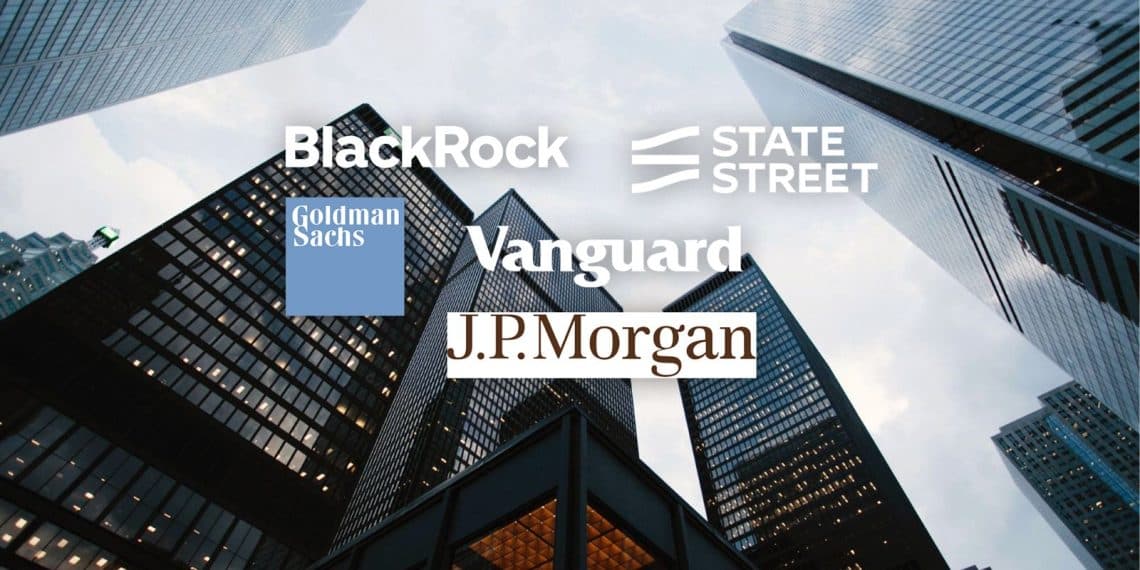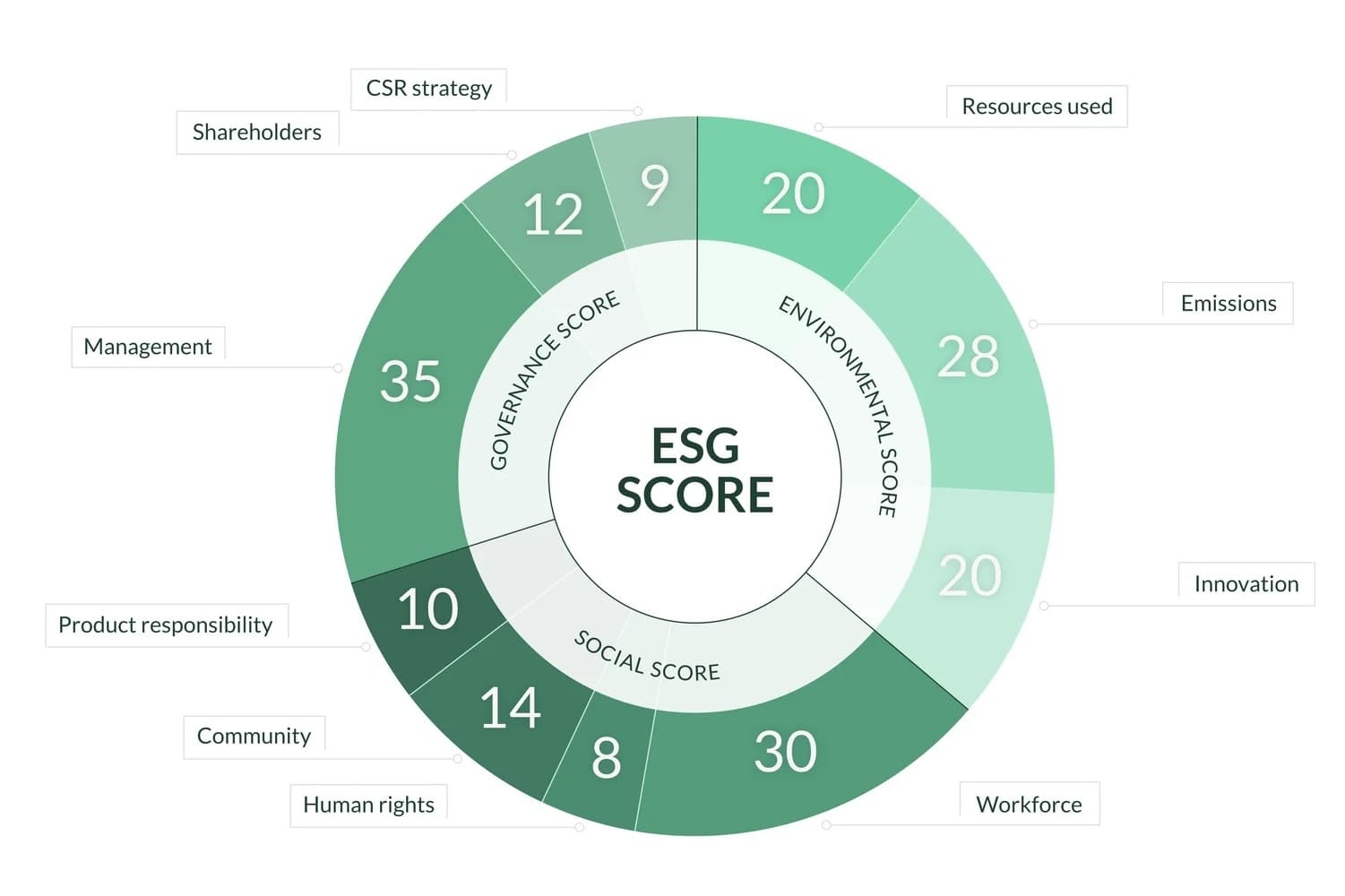
Environmental, Social, and Governance (ESG) scores, controlled primarily by BlackRock, Vanguard, and State Street (managing $22+ trillion), determine which companies can access investment capital. Companies with low ESG ratings are 'screened out' of funds, effectively punished financially for not complying with standards set without democratic input. BlackRock CEO Larry Fink's annual 'Letter to CEOs' pressures compliance. Critics compare it to China's social credit system applied to corporations and now expanding to individuals.
“ESG is not about environmental protection -- it is a financial control mechanism that allows a handful of asset managers to reshape the economy and society through capital allocation without democratic oversight.”
From “crazy” to confirmed
The Claim Is Made
This is the moment they called it crazy.
When critics first raised concerns about Environmental, Social, and Governance scoring systems, they were dismissed as conspiracy theorists conflating corporate responsibility with authoritarianism. The narrative pushed by mainstream defenders was straightforward: ESG is simply investors doing due diligence, nothing more sinister than a company checking financial health before lending money. The idea that three asset managers wielding $22 trillion in capital could wield ESG scores as a de facto compliance mechanism was treated as paranoid speculation.
That dismissal has become harder to maintain.
The claim wasn't new. Conservative think tanks like the Heritage Foundation and the Heartland Institute had raised alarms for years about ESG's structural similarities to China's social credit system. But the specifics mattered less than the mechanism: if BlackRock, Vanguard, and State Street—managing more wealth than the GDP of most nations—systematically exclude companies from investment funds based on non-financial criteria, those companies face real financial consequences regardless of how markets actually value them.
The turning point came not from a smoking gun document, but from behavior itself. BlackRock CEO Larry Fink's annual "Letter to CEOs" became impossible to ignore. These weren't suggestions. Starting in 2020, Fink used his platform to pressure companies toward specific policies on climate, diversity, and governance—policies that conveniently aligned with the metrics by which BlackRock's own funds would judge them. The letter functioned as a public whip, rewarding compliance and implicitly threatening capital withdrawal for dissent.
What proved the claim partially true was the actual screening process. Companies with low ESG ratings began reporting systematic exclusion from major investment vehicles, not because investors couldn't buy their stocks individually, but because fund managers simply wouldn't allocate capital to them. This created a two-tier system: companies that comply with ESG standards access cheaper capital and broader investment, while others face higher borrowing costs or reduced funding options. The financial penalty was real and measurable.
The comparison to social credit systems gained more credibility when the scope expanded beyond corporations. Reports documenting lobbying efforts—including Meta's $2 billion spending on age verification technology that critics flagged as surveillance infrastructure—revealed similar pressure patterns applied to individuals. The mechanisms were spreading, just wearing different uniforms in different sectors.
The official response shifted from flat denial to semantic repositioning. Defenders acknowledged the screening but redefined it as "responsible investing" rather than coercion. They argued that companies always faced consequences for unpopular decisions, so ESG was simply adding new criteria to that calculus. The response wasn't wrong exactly—it was technically accurate while missing the point entirely.
What matters is structural reality. When three institutions controlling $22 trillion can collectively enforce behavioral compliance through capital access, the distinction between "social credit system" and "responsible investment criteria" becomes academic. Whether it's called punishment or market discipline, the practical effect on companies refusing to comply remains identical: reduced access to capital.
This is why the claim matters beyond ideological positioning. When mechanisms of financial power operate this centrally and this effectively, public understanding becomes a prerequisite for democratic accountability. Whether you view ESG as necessary corporate responsibility or dangerous centralization, the first requirement is seeing it clearly. The conversation can't be honest until everyone acknowledges what's actually happening.
Get the 5 biggest receipts every week, straight to your inbox — plus an exclusive PDF: The Top 10 Conspiracy Theories Proven True in 2025-2026. No spam. No agenda. Just the papers they couldn't hide.
You just read "ESG scores function as a corporate social credit system -- c…". We send ones like this every week.
No one's said anything yet. Be the first to drop your take.