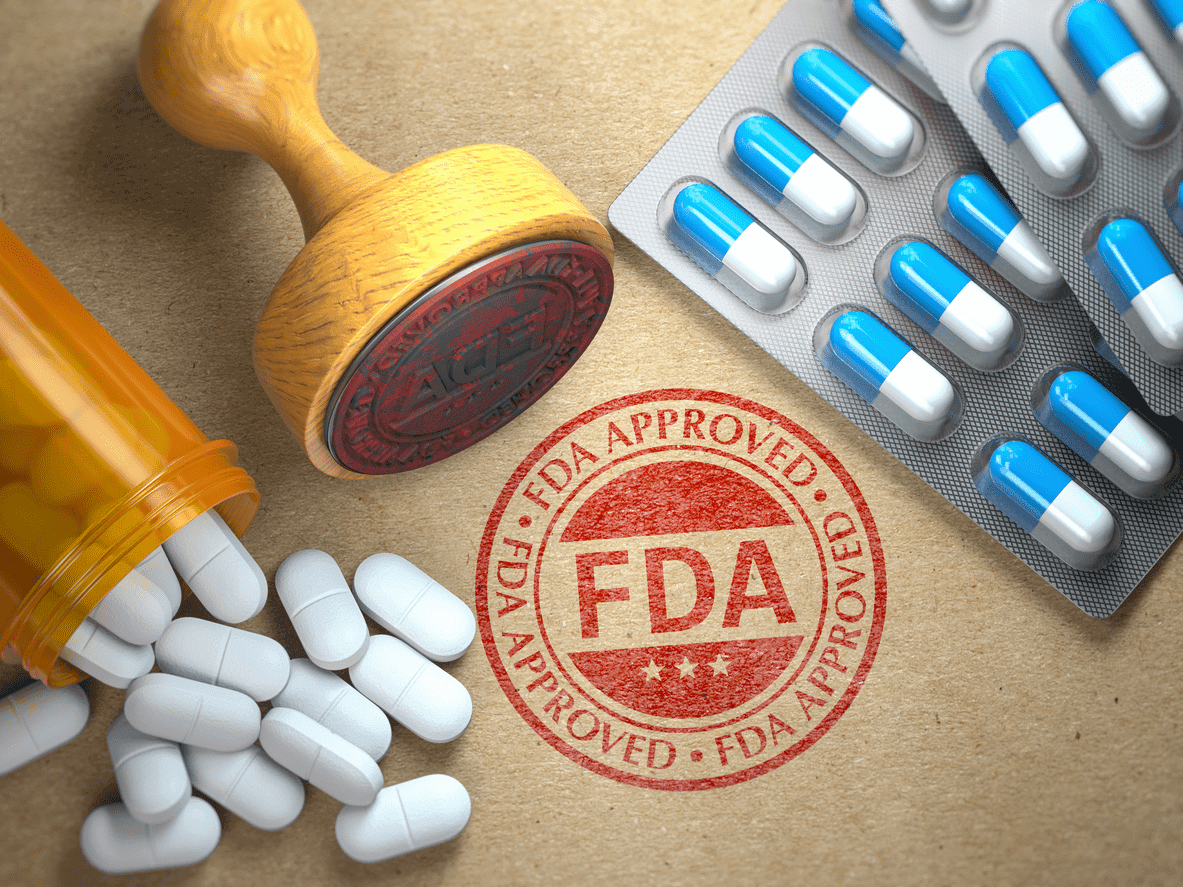
FDA inspections found systematic fraud at contract research organizations conducting drug trials, including falsified data and patient records. Some drugs stayed approved despite evidence.
“All clinical trial data undergoes rigorous review before drug approval”
From “crazy” to confirmed
The Claim Is Made
This is the moment they called it crazy.
The drugs in your medicine cabinet have undergone rigorous testing to ensure they're safe and effective. That's what the FDA tells us. But a series of federal inspections revealed something that should trouble anyone who's ever trusted a prescription: some of those tests were fabricated.
Contract research organizations, or CROs, are the workhorses of drug development. They conduct the clinical trials that pharmaceutical companies need to get FDA approval. Thousands of these trials happen every year, generating the data that determines which drugs reach pharmacy shelves. The FDA, with limited resources, inspects only a fraction of these trials. What they found when they looked closer was systematic fraud.
FDA investigators discovered falsified patient records, invented laboratory results, and manipulated data across multiple CROs. In some cases, patients reported never having visited the facilities where they supposedly enrolled in trials. Medical records were backdated. Test results were fabricated to show drugs working better than they actually did. These weren't isolated incidents or isolated researchers cutting corners. The patterns suggested institutional problems, places where fraud had become routine.
When these findings surfaced, regulators and industry representatives downplayed the implications. The FDA suggested that while fraud was a concern, their oversight mechanisms caught most serious problems before drugs reached patients. Industry groups argued that the fraudulent trials represented a tiny fraction of the thousands conducted annually. The message was reassuring: trust the system, it works.
But the evidence told a different story. FDA inspection reports documented the fraud in granular detail. At some CROs, investigators found that patient signatures had been forged on consent forms. At others, clinical monitors—people responsible for ensuring data integrity—admitted they never actually verified that patients existed. One facility's records were so problematic that basic arithmetic didn't add up. Yet some drugs tested at these facilities remained on the market.
Get the 5 biggest receipts every week, straight to your inbox — plus an exclusive PDF: The Top 10 Conspiracy Theories Proven True in 2025-2026. No spam. No agenda. Just the papers they couldn't hide.
You just read "FDA approved drugs based on fraudulent clinical trial data f…". We send ones like this every week.
No one's said anything yet. Be the first to drop your take.
The real problem wasn't just that fraud happened. It was that the consequences were limited. Some CROs faced warning letters. Some lost contracts. But the drugs they helped push through the approval process? Many stayed approved. The FDA faced a practical dilemma: revoking approval for drugs that millions of people were already taking required extraordinary evidence of harm, and proving that harm retrospectively was difficult.
This matters because it exposes a fundamental vulnerability in drug safety. We trust that FDA approval means something. We trust that before a drug reaches the market, it's been tested honestly and thoroughly. But that trust depends on the integrity of the testing infrastructure, much of which is outsourced to private companies operating under financial pressure to deliver results.
The fraud at CROs raises uncomfortable questions. How many approved drugs were tested, at least partially, using fraudulent data? How many patients took medications that hadn't actually been proven safe or effective? We don't have complete answers because the FDA doesn't test every drug against every CRO-generated dataset.
This wasn't a conspiracy theory that turned out to be true because someone noticed something suspicious. It was documented in government inspection reports, confirmed through investigation, and then largely absorbed into the system without major reform. The claim that the FDA approved drugs based on fraudulent data wasn't initially controversial because most people didn't know it happened. Now that we do, the question is what we're willing to do about it.
Beat the odds
This had a 1.3% chance of leaking — someone talked anyway.
Conspirators
~200Network
Secret kept
16.5 years
Time to 95% exposure
500+ years