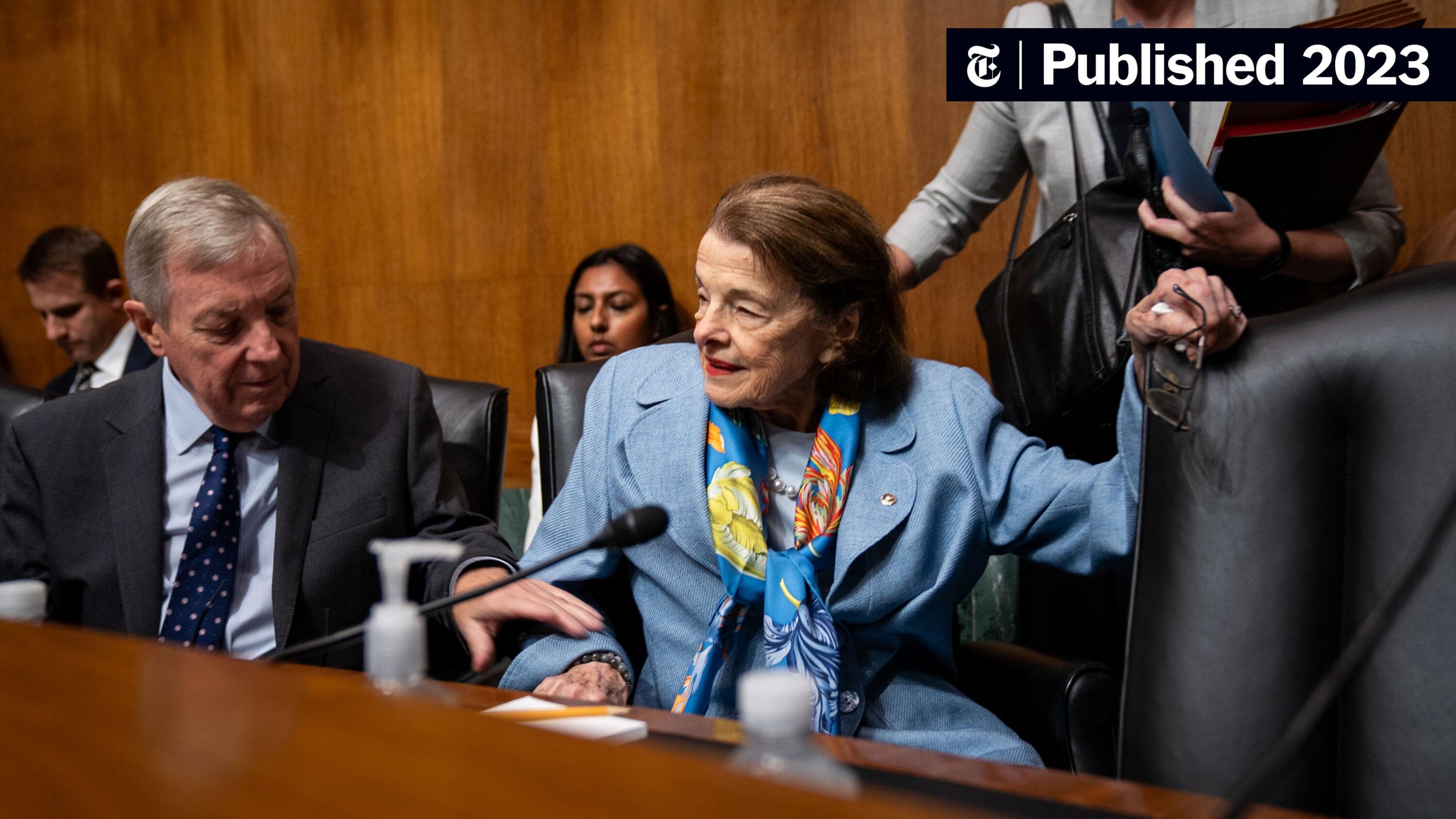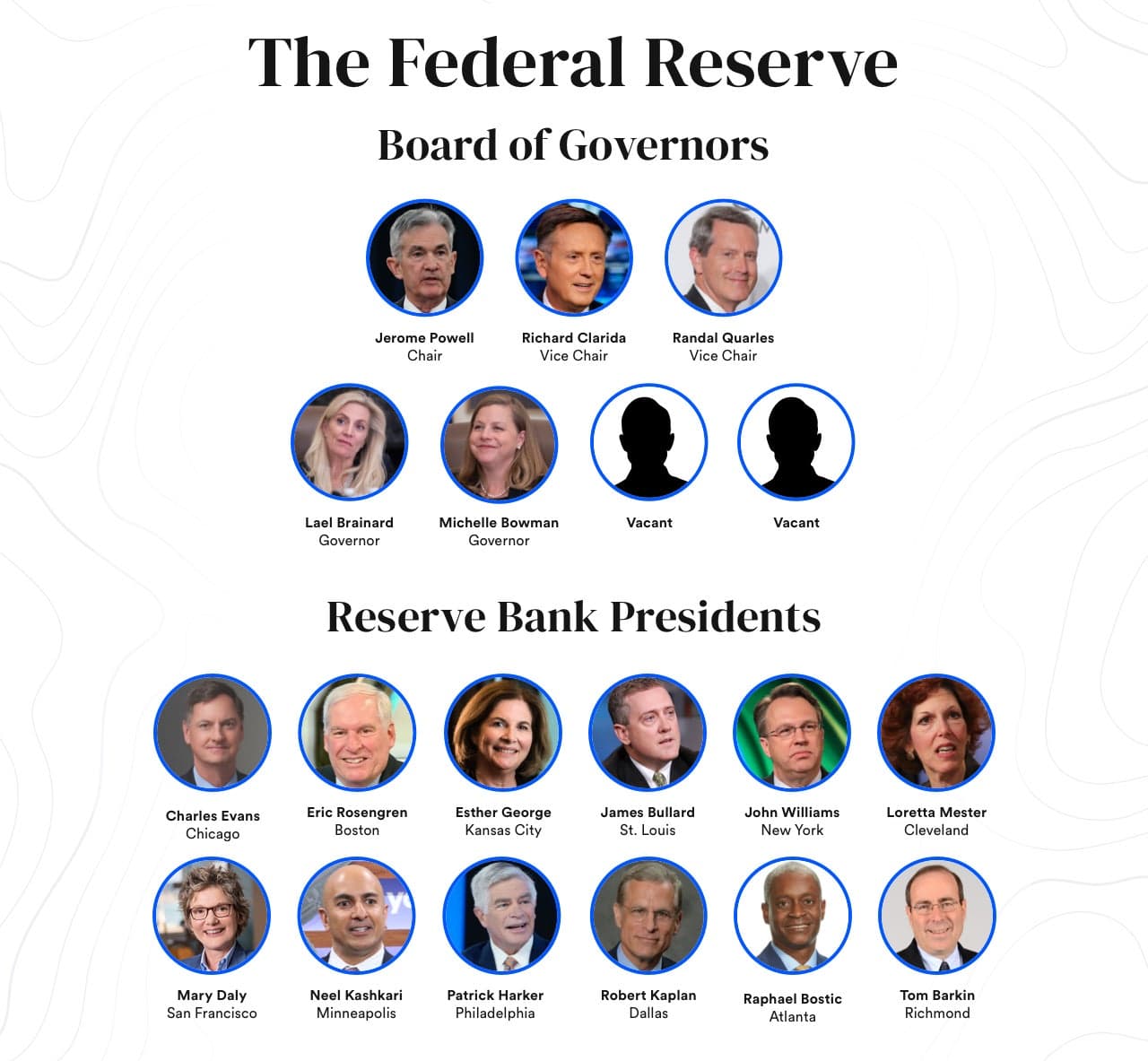
In 2021, it was revealed that Dallas Fed President Robert Kaplan made multiple $1 million+ trades in stocks during 2020 while helping set pandemic monetary policy, and Boston Fed President Eric Rosengren traded funds invested in mortgage-backed securities while the Fed was buying MBS. Both resigned within hours of each other. Fed Vice Chair Richard Clarida also traded a fund the day before a major Fed policy announcement. The OIG found no laws were technically broken because Fed ethics rules were so weak.
“Federal Reserve officials are personally trading millions of dollars in financial assets while making the monetary policy decisions that directly move those same markets.”
From “crazy” to confirmed
The Claim Is Made
This is the moment they called it crazy.
When the Federal Reserve adjusts interest rates or changes its monetary policy, markets move in predictable ways. Those who know what's coming have an enormous advantage. In 2021, it became clear that some of the people making those decisions were trading on that very knowledge.
The claim was straightforward: senior Federal Reserve officials were making significant stock and fund trades while simultaneously setting the monetary policy that would move those same markets. It sounded like a textbook conflict of interest, the kind of thing that would be illegal for most government officials. But when journalists and watchdogs started digging into the specifics, they found something more troubling than illegality—they found a system designed to allow it.
Robert Kaplan, president of the Federal Reserve Bank of Dallas, made multiple stock trades worth more than $1 million each during 2020. This was while he was directly involved in crafting monetary policy responses to the pandemic. Eric Rosengren, president of the Boston Federal Reserve, traded funds containing mortgage-backed securities during the same period when the Federal Reserve was actively purchasing those same securities in the market. Richard Clarida, the Fed's Vice Chair, executed a significant fund trade on the day before a major policy announcement that would move markets.
For years, the Federal Reserve dismissed concerns about these practices. The implicit position was that everything was fine—the trades fell within existing guidelines, and there was no evidence of wrongdoing. When the story broke publicly in 2021, both Kaplan and Rosengren resigned within hours of each other, suggesting the pressure had finally become too intense to weather.
Get the 5 biggest receipts every week, straight to your inbox — plus an exclusive PDF: The Top 10 Conspiracy Theories Proven True in 2025-2026. No spam. No agenda. Just the papers they couldn't hide.
You just read "Federal Reserve presidents traded millions in stocks and fun…". We send ones like this every week.
No one's said anything yet. Be the first to drop your take.
Confirmed: They Were Right
The truth comes out. Officially documented.
Confirmed: They Were Right
The truth comes out. Officially documented.
The Federal Reserve's Office of Inspector General investigated. Their findings, released in a closing report, confirmed the trades had indeed occurred. The OIG's conclusion was remarkable in its candor: no laws were technically broken because the Federal Reserve's ethics rules were weak enough that this was permitted. The rules simply didn't adequately restrict what officials could trade, even when they had material nonpublic information about upcoming policy moves.
The evidence was damning precisely because it was legal. A Yahoo Finance timeline documented the specific trades and their timing relative to policy announcements. The Federal Reserve's own official documents showed the pattern clearly. These weren't allegations or speculation—they were documented facts that the institution's own oversight body had verified.
What makes this case significant isn't that laws were broken. It's that the rules allowed something most reasonable people would consider unethical. Federal officials were buying and selling securities while possessing advance knowledge of decisions that would move prices. If a corporate executive did this, it would be insider trading. If a congressman did this, it would trigger investigations and potential prosecution.
The scandal revealed a two-tiered system where rules that bind the rest of the government don't apply with the same force at the Federal Reserve. The institution that manages monetary policy and sets the interest rates affecting every American household had created loopholes that allowed its own leaders to profit from information the public didn't have.
This matters because public trust in institutions depends on the perception of fairness. When people discover that the people making decisions about their money have financial incentives tied to those decisions, confidence erodes. The Federal Reserve's authority rests partly on its credibility as an impartial steward of the financial system. These trades, however legal, suggest that impartiality was compromised by opportunity.