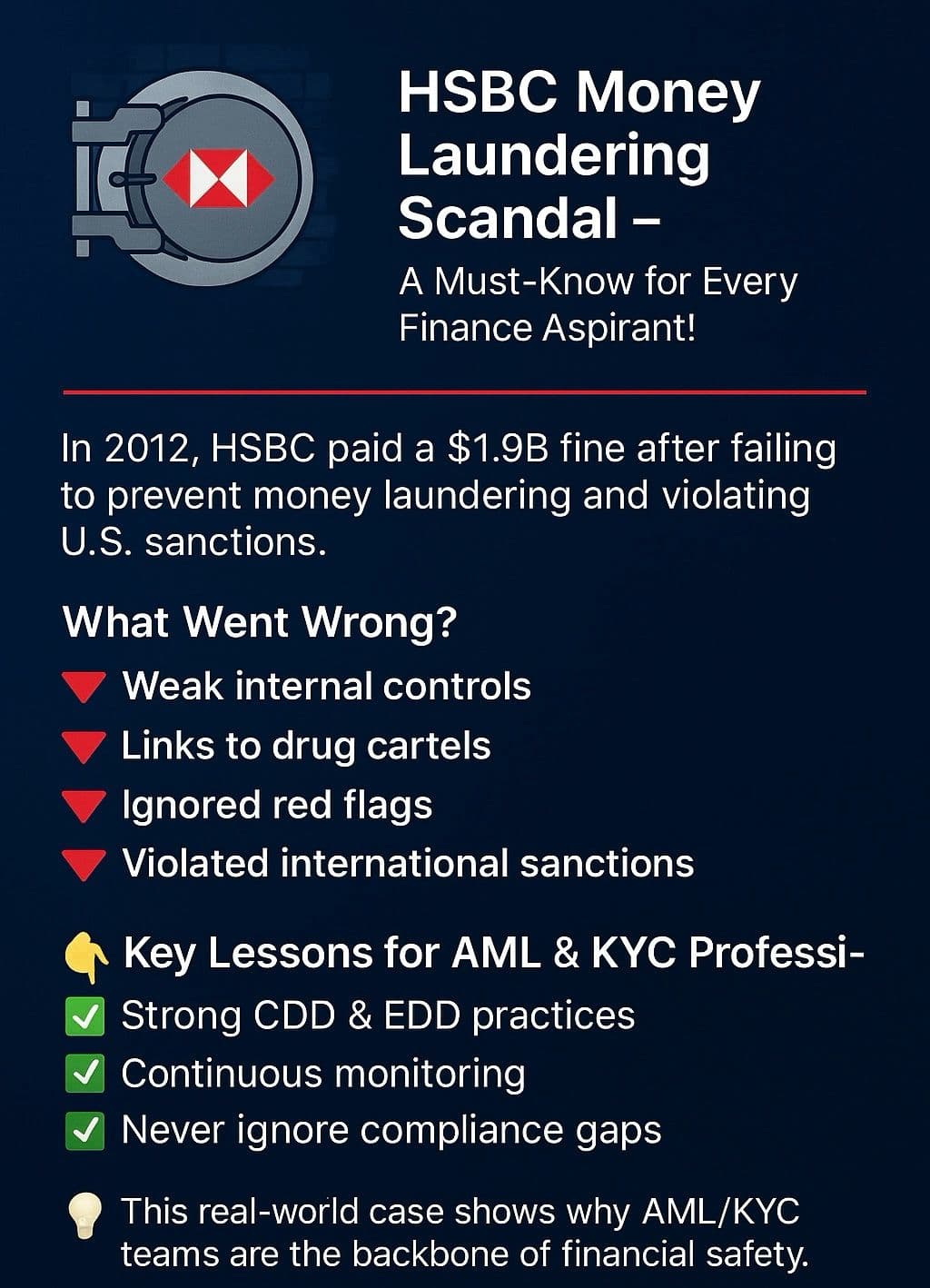
HSBC deliberately processed $881 billion in suspicious transactions for Mexican drug cartels and sanctioned countries. Internal documents showed executives knew about the money laundering but prioritized profits over compliance.
“HSBC maintained robust anti-money laundering controls and complied with all banking regulations”
From “crazy” to confirmed
The Claim Is Made
This is the moment they called it crazy.
When you move nearly a trillion dollars through a global banking system, someone has to notice. Or at least, they should. HSBC didn't, or claimed they didn't—a distinction that matters less than the billions in question.
The claim was straightforward: HSBC, one of the world's largest financial institutions, had deliberately allowed its systems to process enormous flows of money from Mexican drug cartels and sanctioned nations. Not through isolated oversights or a few bad actors. Through systematic, institutional failures that executives knew about but chose not to fix because compliance was expensive and business was profitable.
For years, the bank's leadership insisted this was simply a matter of isolated incidents—the kind of compliance lapses that happen at any large institution. They pointed to their size, their complexity, their global reach. These weren't excuses so much as deflections, the argument being that managing such an enormous apparatus made some errors inevitable. HSBC maintained it was committed to fighting financial crime even as the evidence accumulated that it wasn't.
The turning point came through documents that revealed something far more deliberate. U.S. investigators uncovered internal communications showing that HSBC's executives were aware of suspicious transactions flowing through their Mexican subsidiary and elsewhere. They knew about the gaps in their monitoring systems. They knew compliance departments were understaffed. And crucially, they knew that fixing these problems would cost significant money and reduce profits.
The numbers were staggering. HSBC processed $881 billion in suspicious transactions—not transactions that merely looked questionable, but flows that bore the hallmarks of drug money and state-sponsored financing. The Mexican subsidiary alone moved money for the Sinaloa Cartel and other trafficking organizations. Transactions from Iran and other sanctioned nations moved through HSBC systems in direct violation of U.S. law. All while senior management made cost-benefit analyses that concluded: let it continue.
Get the 5 biggest receipts every week, straight to your inbox — plus an exclusive PDF: The Top 10 Conspiracy Theories Proven True in 2025-2026. No spam. No agenda. Just the papers they couldn't hide.
You just read "HSBC laundered billions for drug cartels and sanctioned nati…". We send ones like this every week.
No one's said anything yet. Be the first to drop your take.
What happened next revealed how the system actually works for the wealthy and well-connected. Rather than criminal prosecutions of executives, HSBC reached a settlement in 2012 for $1.9 billion—a penalty that, while headline-grabbing, amounted to roughly two weeks of profit for the bank. No senior executives went to prison. The bank admitted no wrongdoing. It was, by any honest assessment, a transaction cost of doing business in the shadows.
Why does this matter beyond the obvious moral questions about institutional corruption and the rule of law? It matters because HSBC isn't a unique case. It's a documented example of how global finance operates when oversight is weak and accountability is limited to financial penalties. It shows that when banks calculate the risk-reward of facilitating major crimes, they sometimes decide crime pays.
It also matters because this claim—that major financial institutions knowingly facilitate drug trafficking and sanctions violations—was called paranoid conspiracy thinking until the documents proved it wasn't. The difference between a conspiracy theory and documented fact is evidence. We had the evidence. The only question was whether anyone cared enough to act on it.
Beat the odds
This had a 0.3% chance of leaking — someone talked anyway.
Conspirators
~50Network
Secret kept
13.8 years
Time to 95% exposure
500+ years