Internal Monsanto emails revealed company scientists ghostwrote academic papers defending glyphosate safety and worked to suppress studies showing cancer links.
“Monsanto claimed independent scientific research consistently showed glyphosate was safe and not carcinogenic to humans.”
From “crazy” to confirmed
The Claim Is Made
This is the moment they called it crazy.
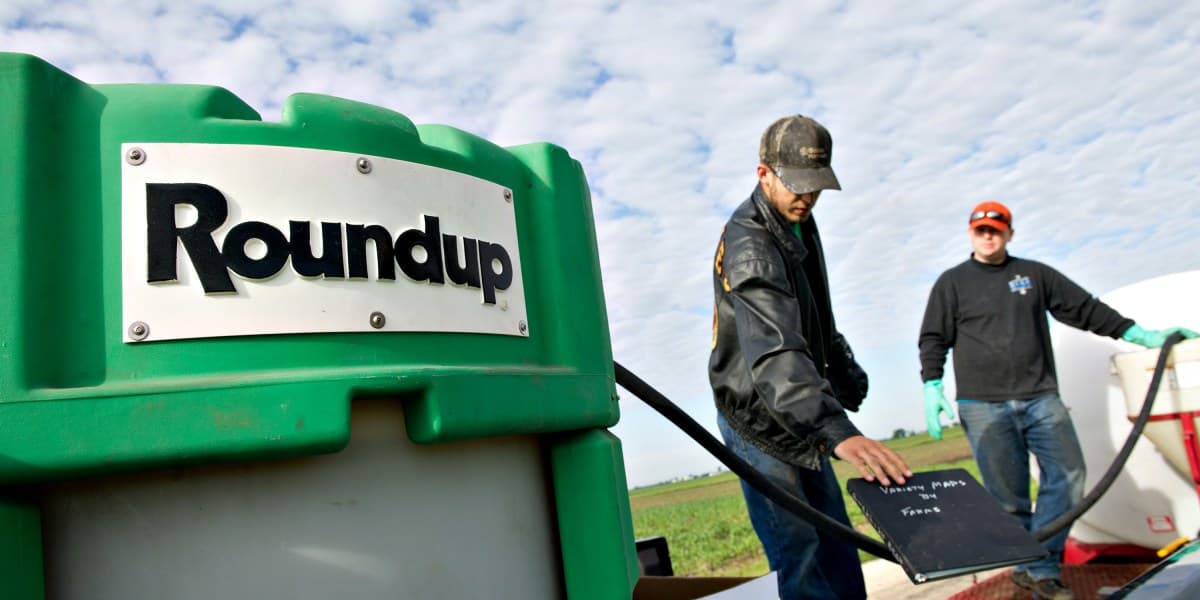
When Monsanto scientists published peer-reviewed studies defending the safety of glyphosate—the active ingredient in Roundup—they presented themselves as independent researchers contributing objective knowledge to public health. The studies appeared in legitimate scientific journals, carrying the weight of institutional credibility. Regulators, farmers, and the general public relied on this research to make decisions about exposure to one of the world's most widely used herbicides.
For decades, the company's narrative held: glyphosate was safe. The scientific consensus, at least on the surface, supported this conclusion.
But internal communications tell a different story. Court documents from litigation over Roundup's health effects revealed that Monsanto employees didn't just conduct research—they orchestrated it. Emails showed company scientists writing studies that would later be published under the names of academics, a practice known as ghostwriting. The corporation was essentially authoring the scientific record on its own product's safety while hiding behind the credibility of independent researchers.
The evidence emerged during discovery in lawsuits filed by people who developed cancer after using . Deposition testimony and internal emails demonstrated that scientists drafted manuscripts, guided their publication, and strategically worked to suppress or discredit studies showing potential cancer risks. One revealing email involved the company's efforts to undermine a World Health Organization study that classified as "probably ic to humans." Rather than engage with the science, Monsanto appeared focused on controlling the narrative.
Get the 5 biggest receipts every week, straight to your inbox — plus an exclusive PDF: The Top 10 Conspiracy Theories Proven True in 2025-2026. No spam. No agenda. Just the papers they couldn't hide.
You just read "Monsanto ghostwrote scientific studies claiming glyphosate h…". We send ones like this every week.
No one's said anything yet. Be the first to drop your take.
What makes this claim particularly significant is how thoroughly the deception operated. It wasn't isolated misconduct by a rogue scientist. The ghostwriting appeared systematic, involving multiple researchers across different time periods. The corporation maintained what looked like an independent scientific literature while maintaining tight editorial control. Monsanto also worked to identify researchers who might challenge their safety claims and developed strategies to discredit their work before publication.
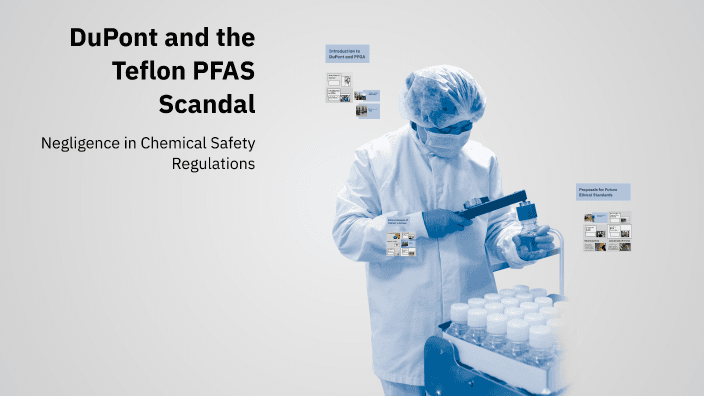
Regulators who evaluated glyphosate's safety had relied partly on this manufactured consensus. The EPA, for instance, determined the herbicide was safe based on studies that included these ghostwritten papers. When the full scope of Monsanto's involvement became public, it raised uncomfortable questions: How many regulatory decisions rest on research that companies secretly authored? How many published studies in respected journals came from corporate labs disguised as independent work?
The company has since been acquired by Bayer, which settled multiple lawsuits related to Roundup for billions of dollars—though without admitting wrongdoing. Regulators in some countries have begun restricting glyphosate use, while others continue to approve it based on updated safety assessments.
This case reveals a fundamental vulnerability in how science informs public policy. When corporations can shape the research landscape on their own products, the distinction between scientific fact and corporate interest blurs dangerously. Peer review and publication in respected journals don't guarantee independence if the authors themselves lack independence from financial interests.
For public trust in science, the lesson is sobering. The system assumes good faith from researchers and institutions. Monsanto's ghostwriting demonstrates that assumption has limits. Real transparency requires not just published papers, but visibility into who funded the research, who wrote it, and what competing interests were at play. Until those questions are answered in advance, rather than uncovered in court decades later, the scientific record remains vulnerable to corporate influence operating behind the scenes.
Beat the odds
This had a 0.4% chance of leaking — someone talked anyway.
Conspirators
~100Network
Secret kept
8.8 years
Time to 95% exposure
500+ years