Court documents from 2017 showed Monsanto employees secretly authored supposedly independent research and knew about potential cancer links since 1980s.
“Glyphosate is safe for humans and extensive independent research confirms no cancer risk”
From “crazy” to confirmed
The Claim Is Made
This is the moment they called it crazy.
When you read a scientific study claiming a widely used pesticide is safe, you assume independent researchers conducted the work. That assumption cost millions of people their trust in both corporate science and regulatory oversight.
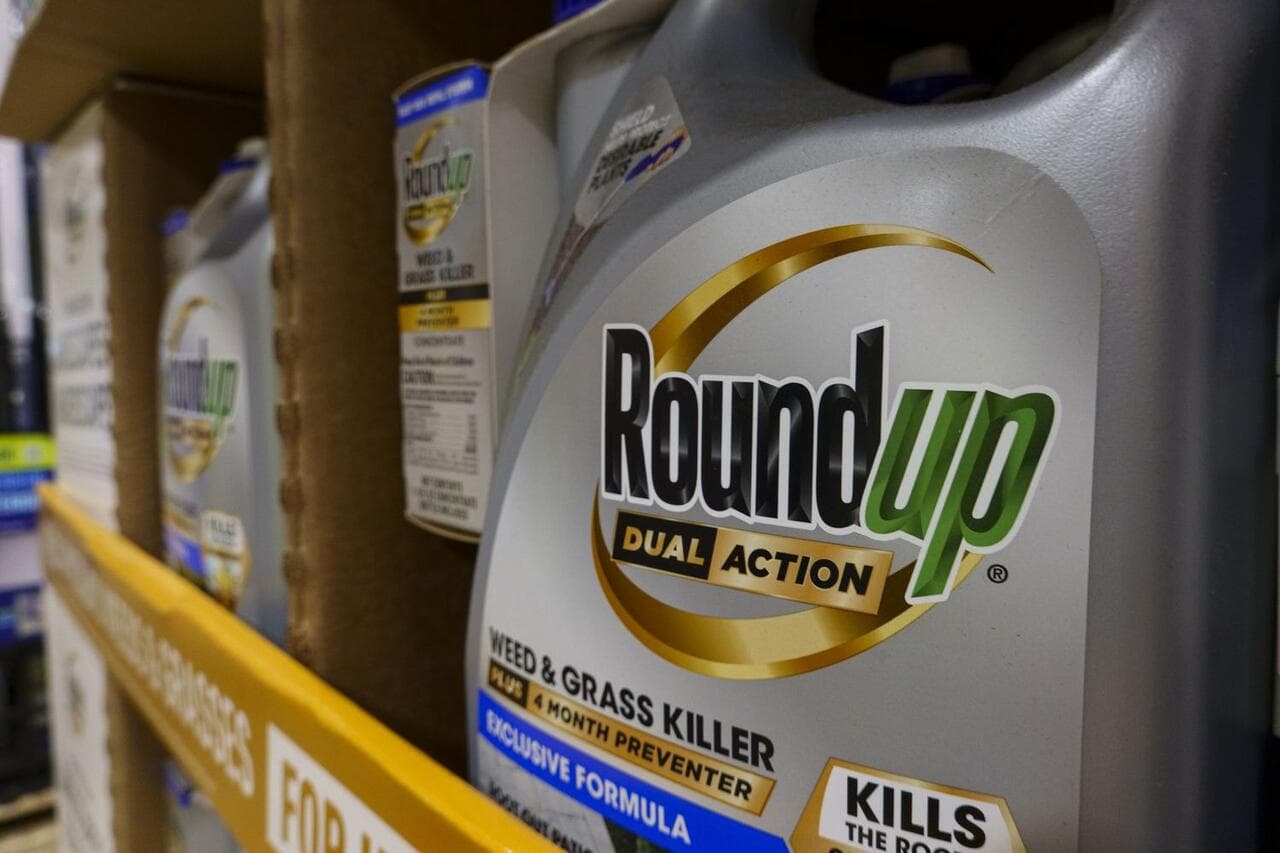
Monsanto, now owned by Bayer, spent decades telling the world that glyphosate—the active ingredient in Roundup—posed no cancer risk. The company funded studies, submitted data to regulators, and funded communications that consistently reached the same conclusion. For farmers, homeowners, and agricultural workers who relied on this herbicide, these assurances seemed authoritative.
But in 2017, court documents revealed a different story. The "Monsanto Papers"—internal emails and memos unsealed during litigation—showed that company employees had ghostwritten research that was later published under the names of supposedly independent scientists. These papers were then submitted to regulatory agencies as objective evidence of safety. The company wasn't just funding research; it was manufacturing it.
The documents went further. Internal communications showed that Monsanto scientists had detected potential cancer links as early as the 1980s. Rather than pursuing these findings rigorously, the company appeared to bury them. Emails revealed discussions about how to discredit independent researchers whose work suggested health risks, and how to strategically manage the scientific narrative.
The official response at the time was predictable. disputed the characterization of internal discussions as sinister, arguing that concerns about were addressed through proper channels and that the company stood behind the safety profile of its products. Regulatory agencies like the EPA maintained that glyphosate was safe when used as directed. These weren't fringe voices—they represented institutional authority backed by decades of approved studies.
Get the 5 biggest receipts every week, straight to your inbox — plus an exclusive PDF: The Top 10 Conspiracy Theories Proven True in 2025-2026. No spam. No agenda. Just the papers they couldn't hide.
You just read "Monsanto ghostwrote studies claiming glyphosate safety while…". We send ones like this every week.
No one's said anything yet. Be the first to drop your take.
Yet the court documents were genuine. Journalists at The Guardian and other outlets reviewed thousands of pages of internal communications. What emerged was a portrait of a corporation that understood how to weaponize the peer-review process. By controlling the authorship of studies while obscuring that control, Monsanto effectively laundered corporate conclusions through the machinery of independent science.
The revelations didn't stop there. Thousands of lawsuits followed, with juries in California finding Monsanto liable for failing to warn consumers about cancer risks. These weren't frivolous cases—they involved people with non-Hodgkin's lymphoma who had used Roundup for years. The courts found evidence that the company had known about risks and chose not to disclose them.
This case matters because it exposed how thoroughly corporate interests can infiltrate the systems meant to protect public health. When a company can ghostwrite studies, control their publication, and use regulatory processes designed to evaluate independent research, those processes become corrupted at their foundation. The person reading a glyphosate safety study had no way to know whether they were encountering genuine science or corporate messaging in a lab coat.
The real damage extends beyond glyphosate. This case illustrated a vulnerability in how we validate the safety of products we use daily. If it happened here, where else might it be happening? How many other studies bearing prestigious academic names are actually corporate products? The answer matters because public health depends on trust, and trust, once broken, is extraordinarily difficult to rebuild.
Beat the odds
This had a 1.1% chance of leaking — someone talked anyway.
Conspirators
~300Network
Secret kept
9.2 years
Time to 95% exposure
500+ years