Court documents revealed pharmaceutical companies coordinated to promote opioids for chronic pain despite knowing addiction risks, funding fake patient advocacy groups and medical conferences.
“We independently developed evidence-based pain management education programs”
From “crazy” to confirmed
The Claim Is Made
This is the moment they called it crazy.
Millions of Americans became addicted to prescription painkillers not by accident, but by design. For decades, pharmaceutical manufacturers systematically misled doctors, patients, and regulators about the addiction risks of opioid medications, all while pursuing profits that would eventually reach billions of dollars. What began as allegations from watchdogs and medical professionals has now become a matter of public record through settlements, depositions, and court documents that paint a clear picture of corporate malfeasance.
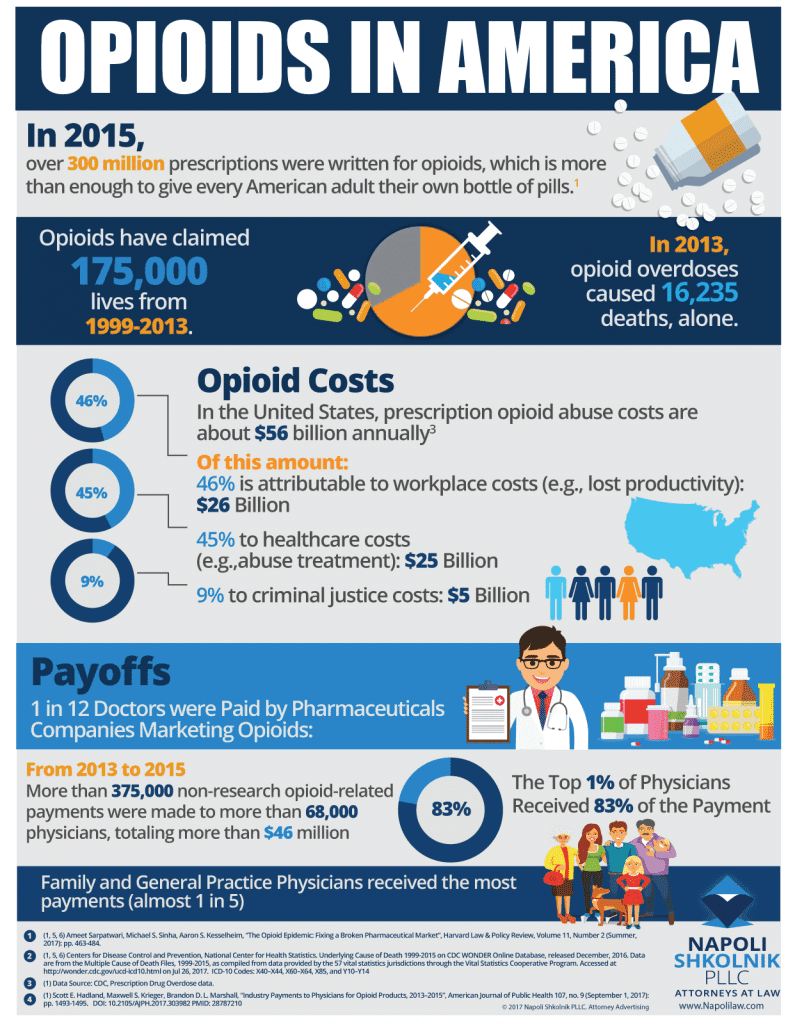
The claim emerged gradually throughout the 1990s and 2000s as addiction rates climbed. Critics pointed to aggressive marketing campaigns by manufacturers like Purdue Pharma, Johnson & Johnson, and others who promoted opioids for chronic pain—a use that had limited scientific support. Pain advocacy groups seemed to materialize overnight, pushing for wider prescription access. Medical conferences were sponsored by the same companies whose drugs were being promoted. Doctors received financial incentives for prescribing higher volumes. The narrative was coordinated and persuasive: opioids were safe if used as directed.
The official response from industry was consistent and emphatic denial. Pharmaceutical companies claimed their marketing was educational and fact-based. They argued addiction rates were overblown and that most patients used opioids responsibly. Spokespeople insisted they had no knowledge that their drugs posed serious risks. The FDA, under industry influence, approved increasingly broad uses for opioid medications. Doctors who raised concerns were often isolated voices drowned out by the marketing machinery and the financial incentives flowing into their practices.
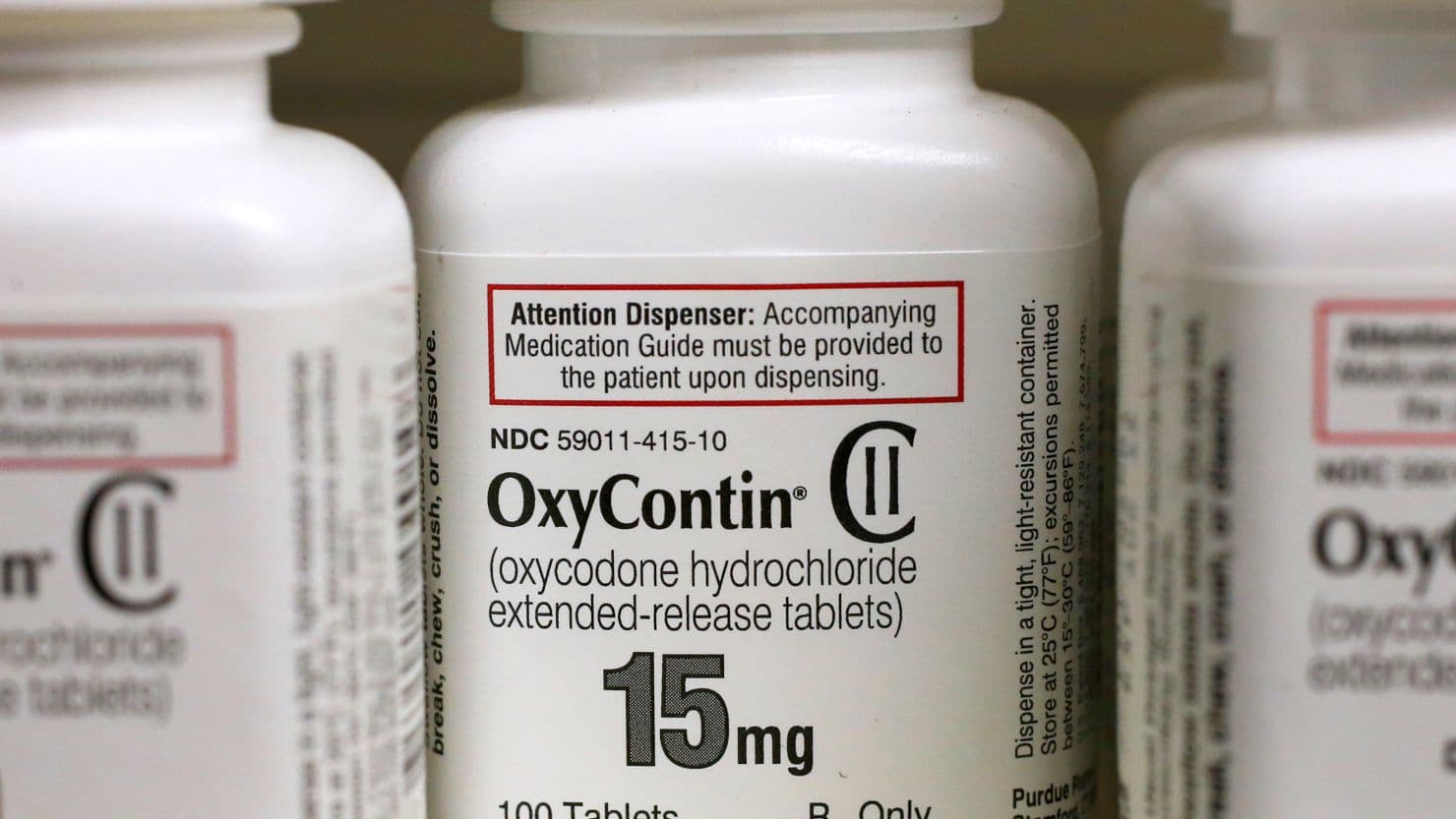
The verification came slowly, then all at once. Court documents from multiple lawsuits, particularly the multi-state settlements beginning in 2007 and accelerating through the 2010s, revealed internal communications that told a different story. Purdue Pharma executives had discussed "blunting the antagonism" from addiction specialists. Company memos discussed maximizing opioid use among chronic pain patients. Johnson & Johnson's subsidiary Janssen was found to have misrepresented addiction risks in marketing materials. The "patient advocacy groups" that seemed grassroots were often funded and controlled by manufacturers themselves. Medical conferences sponsored by opioid makers disproportionately focused on pain treatment with opioids rather than evidence-based alternatives.
Get the 5 biggest receipts every week, straight to your inbox — plus an exclusive PDF: The Top 10 Conspiracy Theories Proven True in 2025-2026. No spam. No agenda. Just the papers they couldn't hide.
You just read "Opioid manufacturers conspired to increase prescriptions thr…". We send ones like this every week.
No one's said anything yet. Be the first to drop your take.
The scale became apparent over time. The CDC estimates that nearly 645,000 Americans died from opioid overdoses between 1999 and 2023. Millions more struggled with addiction. The economic cost to families, healthcare systems, and communities is incalculable. Purdue Pharma alone paid over $600 million in criminal and civil penalties, though executives faced limited personal accountability.
What makes this case significant for tracking verified claims is not just that it happened, but that it was knowable. The warning signs existed. Critics raised them publicly. Yet the coordinated effort to maximize profits while minimizing disclosed risks succeeded for years because it operated through legitimate channels—marketing, lobbying, and regulatory capture rather than obvious criminality.
This matters because it reveals how sophisticated deception operates at scale. When institutions with resources and credibility coordinate messaging, when financial incentives align with misinformation, and when regulators are captured by industry influence, individual skepticism becomes insufficient. The opioid crisis wasn't just a public health failure—it was a system failure that required documented proof before the official story changed. That's a lesson worth remembering the next time we're assured that something is safe.
Beat the odds
This had a 0.5% chance of leaking — someone talked anyway.
Conspirators
~200Network
Secret kept
6.7 years
Time to 95% exposure
500+ years