Procter & Gamble (Crisco makers) became major AHA funders in the 1940s-1960s. The AHA subsequently promoted seed oils as heart-healthy alternatives to animal fats — coinciding with the sugar industry's campaign to blame fat. US seed oil consumption increased over 1,000% in the 20th century. Growing research suggests highly processed seed oils may contribute to inflammation. The debate remains active, with mainstream organizations still recommending them while critics cite industry funding bias.
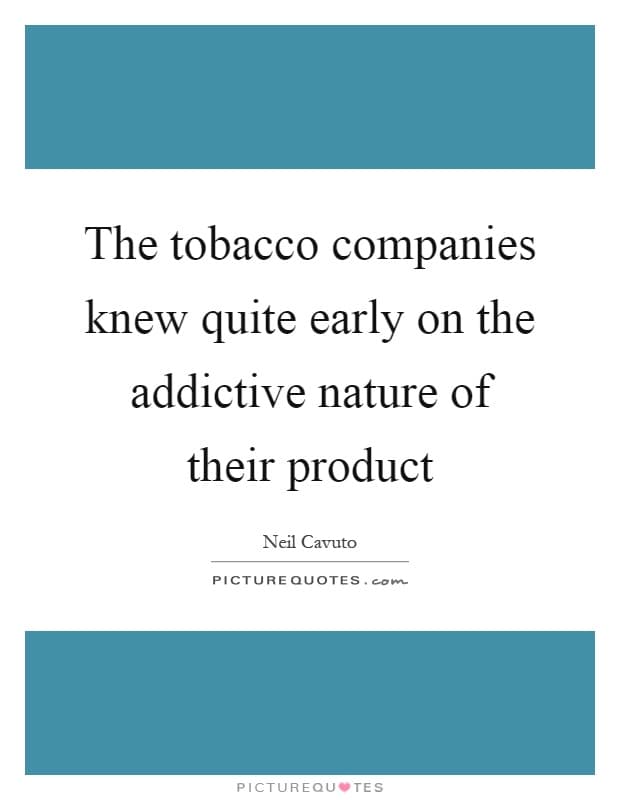
“Seed oils are inflammatory. The only reason they're in everything is because companies funded the AHA to recommend them. Same playbook as Big Tobacco.”
From “crazy” to confirmed
The Claim Is Made
This is the moment they called it crazy.
Your grandmother kept a can of Crisco on her kitchen shelf. She may have done so believing she was making a healthier choice for her family, based on advice from one of America's most trusted health institutions. Today, we know the story behind that recommendation is far more complicated than the clean labels suggested.
The claim is straightforward: major seed oil manufacturers funded the American Heart Association's dietary recommendations, which subsequently promoted vegetable oils as heart-healthy alternatives to animal fats. In doing so, they shaped American eating habits for generations. While the full picture remains contested, the documentary evidence supporting core elements of this narrative has become difficult to dismiss.
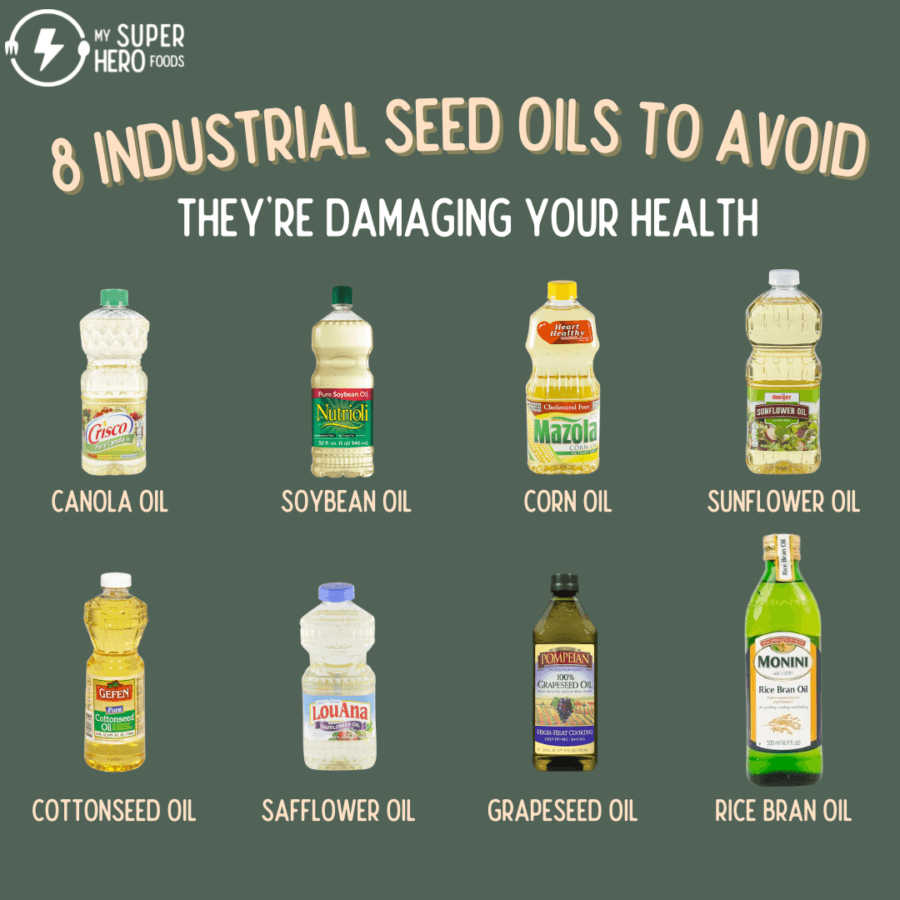
Procter & Gamble, the company that created and marketed Crisco, became a major financial backer of the American Heart Association beginning in the 1940s and continuing through the 1960s. During this same period, the AHA's public messaging increasingly emphasized the dangers of saturated fats and promoted seed oils—products like soybean, canola, and cottonseed oil—as healthier alternatives. This wasn't subtle marketing. The AHA's endorsements carried scientific authority that influenced both consumers and physicians.
What made this alignment particularly consequential was its timing. The sugar industry was simultaneously launching its own campaign to shift blame away from sugar toward dietary fat. The industry-funded research and public relations efforts created a perfect storm: Americans were simultaneously being told to fear fat and embrace seed oils, while sugar's role in heart disease was minimized or ignored. The resulting dietary shift was dramatic.
American consumption of seed oils increased by approximately 1,000 percent throughout the twentieth century. Where seed oils once represented a negligible portion of the American diet, they became ubiquitous—in processed foods, restaurant cooking oils, and home kitchens. The transformation was complete and largely invisible to consumers who simply followed official health guidance.
The official response to these historical claims has generally been dismissive. The mainstream nutrition establishment continues to recommend seed oils, citing studies showing that replacing saturated fat with polyunsaturated fat can lower cholesterol levels. The American Heart Association maintains that its recommendations were and are scientifically sound. Industry funding is characterized as standard practice rather than problematic influence.
Yet the scientific picture has become murkier. Emerging research suggests that the highly processed nature of seed oils—particularly their extraction through chemical solvents and high-heat processing—may contribute to chronic inflammation and oxidative stress in ways that simpler fat replacements would not. The omega-6 to omega-3 ratio in seed oils, which differs dramatically from traditional food sources, raises additional questions about long-term health effects. This research remains contested, but it exists and it's growing.
The deeper issue here isn't whether seed oils are good or bad. It's about institutional credibility. When organizations funded by industry players subsequently promote those same industry's products, we face a structural conflict of interest. Consumers can't easily distinguish between recommendations based on independent science and those shaped by funding relationships. The AHA's historical acceptance of Procter & Gamble's money may not prove intentional wrongdoing, but it created conditions where bias—even unconscious bias—became possible.
This matters because we continue to navigate similar situations today. Understanding how funding influenced seed oil recommendations in the past helps us ask better questions about which institutions we trust now, and why.
Get the 5 biggest receipts every week, straight to your inbox — plus an exclusive PDF: The Top 10 Conspiracy Theories Proven True in 2025-2026. No spam. No agenda. Just the papers they couldn't hide.
You just read "Industrial seed oils were promoted as healthy by companies t…". We send ones like this every week.
No one's said anything yet. Be the first to drop your take.