Leaked Shell documents from 2009 showed company knew Nigerian pipelines were severely corroded but didn't inform government to avoid costly repairs.
“Our Nigerian operations maintain the highest safety and environmental standards”
From “crazy” to confirmed
The Claim Is Made
This is the moment they called it crazy.
Shell Oil's operations in Nigeria's Ogoniland region have long been controversial, but internal documents revealed in 2009 exposed something more troubling than the company's public statements suggested: the corporation had documented evidence that its pipelines were corroding at dangerous rates and deliberately withheld this information to avoid expensive repairs.
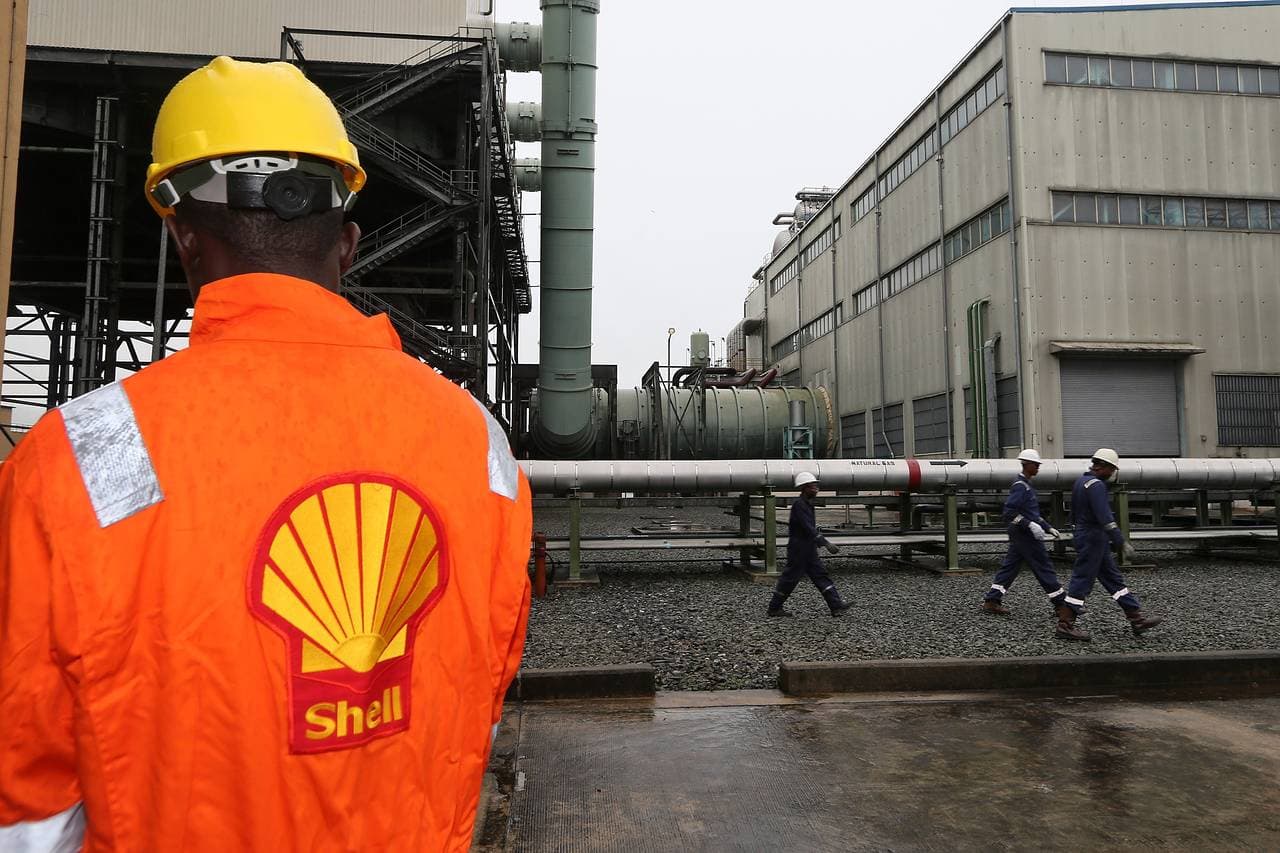
The claim emerged from leaked Shell documents that showed the company's engineers had identified severe corrosion in Nigerian pipeline infrastructure years before acknowledging the problem publicly. These weren't speculative worries or worst-case scenarios—they were technical assessments by the company's own staff, flagging real deterioration that posed clear environmental risks. Yet Shell continued operations without informing Nigerian government officials or local communities about the actual condition of these aging systems.
For years, Shell maintained that pipeline spills in the region were primarily caused by sabotage and theft rather than infrastructure failure. The company's official position protected its reputation and, more importantly, its bottom line. Acknowledging systemic corrosion would have required expensive overhauls, environmental remediation, and accountability for past damage. So the company's strategy was straightforward: keep silent about what the engineers knew.
The 2009 leak changed that narrative entirely. Documents obtained by environmental organizations and journalists investigating Ogoniland's ecological devastation showed Shell had conducted internal corrosion assessments that contradicted their public statements. The pipelines were far more degraded than the company had admitted. This wasn't incompetence or miscommunication—it was a calculated decision to protect profits over environmental safety and community welfare.
What makes this claim particularly significant is how completely Shell's internal knowledge diverged from its external communications. While the company publicly blamed external actors for spills, internal engineers were warning about the structural integrity of the very pipelines carrying crude oil through densely populated areas. The Ogoni people, already bearing the environmental costs of oil extraction, were essentially kept in the dark about the dangers surrounding their homes and water sources.
Get the 5 biggest receipts every week, straight to your inbox — plus an exclusive PDF: The Top 10 Conspiracy Theories Proven True in 2025-2026. No spam. No agenda. Just the papers they couldn't hide.
You just read "Shell Oil knew about Nigerian pipeline corrosion but conceal…". We send ones like this every week.
No one's said anything yet. Be the first to drop your take.
The evidence proved the claim substantially true. Environmental reports documented the scale of spills and contamination in Ogoniland, correlating with time periods when Shell's own assessments showed pipeline corrosion. The leaked documents provided a clear paper trail showing the company knew about problems it wasn't disclosing. This wasn't a matter of interpretation or disputed technical claims—Shell's own words, from internal communications, confirmed the knowledge gap.
The broader implication here extends beyond Shell's Nigerian operations. This case demonstrates how large corporations can weaponize information asymmetry. When companies possess technical knowledge about risks that affect public health and environmental safety, they have both an ethical and practical responsibility to disclose it. Instead, Shell chose shareholder value over transparency.
For public trust, this matters tremendously. People rightfully expect that if a corporation knows its infrastructure poses environmental or safety risks, it will either fix those problems or warn affected communities. Learning that Shell knew differently, and chose silence, reinforces a hard lesson: corporate accountability rarely happens voluntarily. It requires external pressure—leaked documents, investigative journalism, and persistent advocacy—to force companies to acknowledge what they already knew all along.
Beat the odds
This had a 1.2% chance of leaking — someone talked anyway.
Conspirators
~200Network
Secret kept
15.4 years
Time to 95% exposure
500+ years