Internal documents revealed tobacco companies conducted secret research proving cigarettes caused cancer as early as the 1950s, while publicly denying health risks for decades.
“There is no proof that cigarette smoking is one of the causes of lung cancer”
From “crazy” to confirmed
The Claim Is Made
This is the moment they called it crazy.
For over thirty years, the tobacco industry told the American public a consistent story: the link between smoking and cancer was unproven, disputed by scientists, and far from settled. Executives testified before Congress that they believed their products were safe. Advertising campaigns emphasized the uncertainty around health risks. Major tobacco corporations funded research designed to cast doubt on emerging evidence. And the public, largely trusting of major corporations and their scientific claims, believed them—or at least accepted the ambiguity as reason enough to keep smoking.
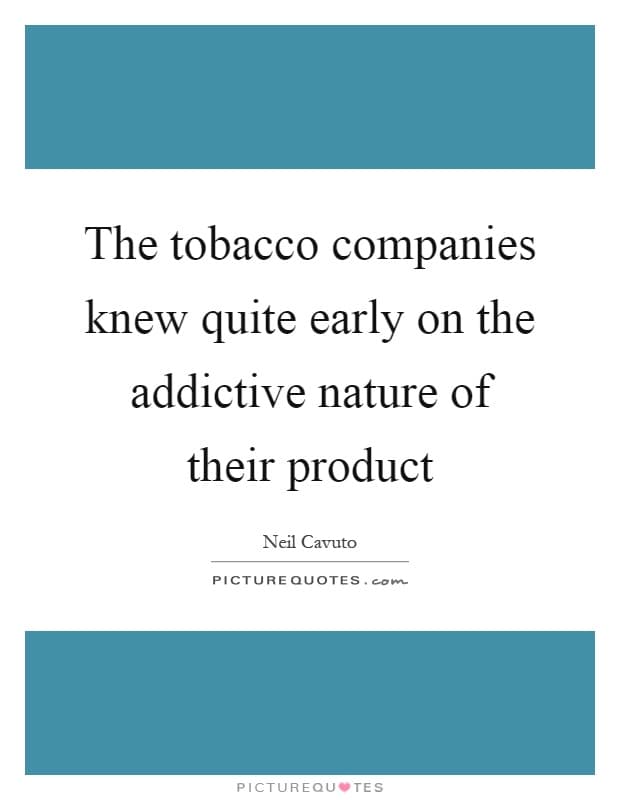
What we now know, thanks to millions of internal documents that became public through the 1998 Tobacco Master Settlement Agreement, is that this official denial was a calculated lie. Tobacco companies had conducted their own research as early as the 1950s that conclusively demonstrated cigarettes caused cancer. They knew. The question was never whether smoking was dangerous—it was whether they could convince the world otherwise while their profits remained intact.
The research was there from the beginning. Philip Morris, R.J. Reynolds, and other major tobacco firms employed scientists, conducted experiments, and reviewed published research. Their internal memos documented findings that matched what independent researchers were discovering: tobacco smoke contained carcinogens, these carcinogens caused cancer in animals, and smokers faced elevated risks of lung cancer and other diseases. Some of these conclusions appeared in company documents dating back to the 1950s and early 1960s, decades before the industry would publicly acknowledge any health risks.
Yet what happened next was perhaps more damning than the initial discovery. Rather than share these findings or allow them to inform public health policy, the tobacco industry embarked on an unprecedented campaign of suppression and misdirection. They funded researchers who produced contrary findings. They sponsored scientific conferences and publications that emphasized uncertainty. They cultivated relationships with sympathetic scientists and publicized their work. They created front groups designed to look independent while pushing industry-friendly narratives.
When the official response came, it was coordinated and emphatic. Tobacco executives denied knowledge of any definitive link between smoking and cancer. They argued that correlation was not causation. They suggested that other factors—lifestyle, genetics, air pollution—might explain health outcomes among smokers. They questioned the methodology of studies showing harm. This wasn't a genuine scientific disagreement; it was a deliberate strategy to delay public acceptance of a truth the industry had already proven to itself.
The documents that emerged during litigation revealed the full scope of this deception. Internal memos showed executives discussing cancer risks frankly, even as public statements denied or minimized those same risks. Scientists employed by tobacco companies reported findings the companies had no intention of releasing. Strategy documents outlined plans to manufacture doubt—not because doubt was scientifically justified, but because doubt was profitable.
What makes this historical episode significant isn't simply that a corporation lied. It's that a coordinated industry managed to suppress truth on a scale that cost lives. By delaying public acknowledgment of known risks by decades, the tobacco industry continued to addict and sicken millions of people who might have made different choices with accurate information.
This case remains a crucial reminder about institutional credibility. When organizations with profit motive are allowed to control the narrative around their own products' safety, the result is predictable. It also demonstrates why transparency, independent research, and public access to corporate documents matter—not as abstract principles, but as tools that eventually expose what those in power would prefer remain hidden.
Get the 5 biggest receipts every week, straight to your inbox — plus an exclusive PDF: The Top 10 Conspiracy Theories Proven True in 2025-2026. No spam. No agenda. Just the papers they couldn't hide.
You just read "Tobacco companies knew cigarettes caused cancer decades befo…". We send ones like this every week.
No one's said anything yet. Be the first to drop your take.