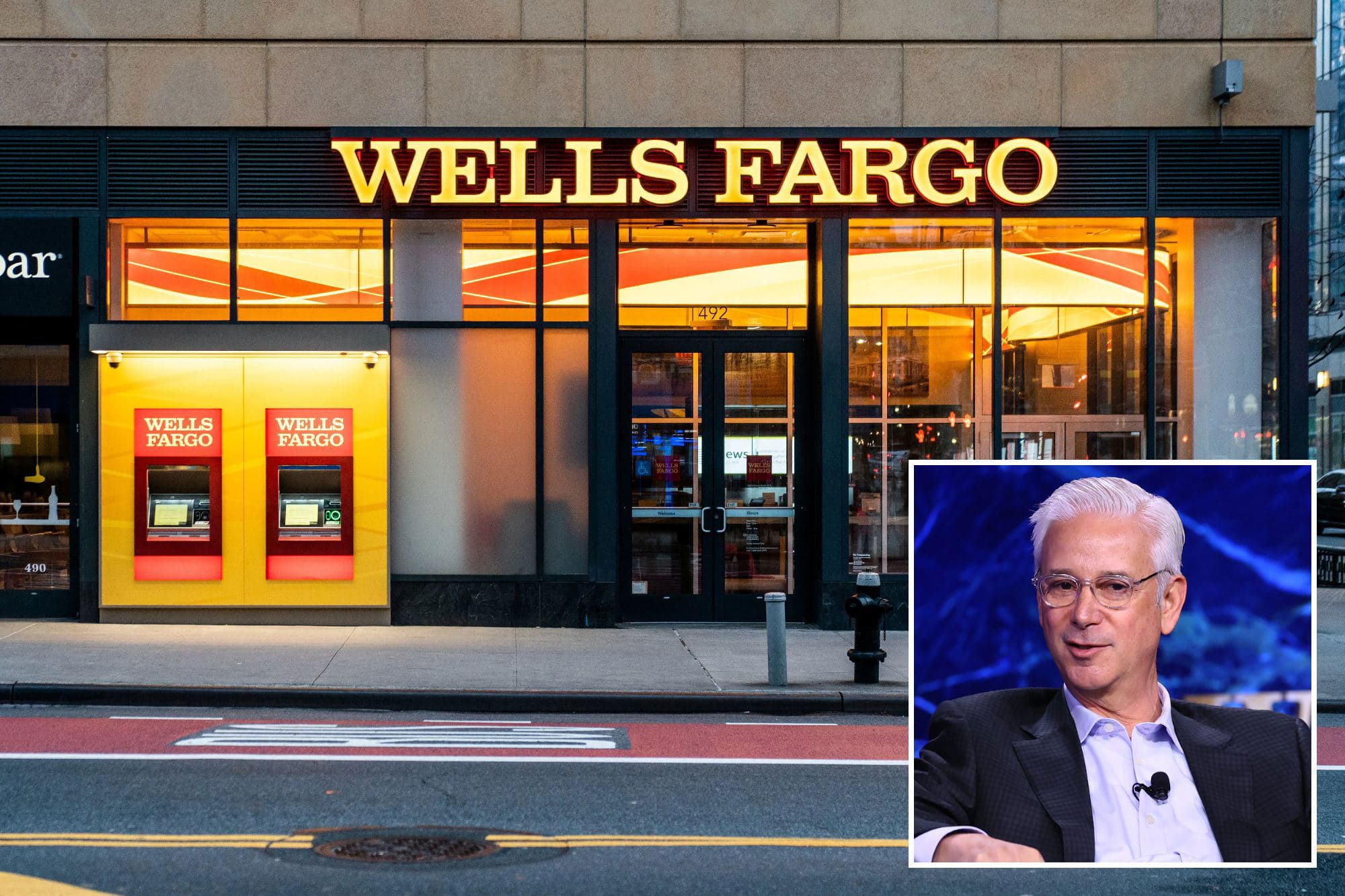
Wells Fargo employees created over 3.5 million fake bank and credit card accounts to meet sales quotas. Internal whistleblowers revealed the systematic fraud that lasted over a decade.
“Wells Fargo maintains the highest ethical standards and does not engage in unauthorized account creation”
From “crazy” to confirmed
The Claim Is Made
This is the moment they called it crazy.
Between 2002 and 2015, employees at one of America's largest banks sat at desks and created accounts that didn't exist. These weren't hypothetical scenarios in training exercises. Real customers were being enrolled in real financial products they never requested, often without their knowledge, generating millions in fraudulent fees.
The initial claim came from inside Wells Fargo itself. Beginning around 2010, internal whistleblowers began reporting that frontline employees were opening unauthorized accounts to meet aggressive sales quotas. These weren't isolated incidents of individual misconduct. The reports suggested a systematic practice, embedded into the bank's operational culture, that had been occurring for years.
Wells Fargo's official response was dismissive. The bank initially characterized the problem as the work of a few bad actors, a small number of rogue employees who had acted against company policy. Management suggested the issue affected only a limited number of accounts. The narrative was simple: bad employees, not bad management.
But the numbers told a different story. Between 2002 and 2015, Wells Fargo employees created approximately 3.5 million unauthorized accounts. Some customers discovered fraudulent credit cards in their names. Others found savings accounts they never opened, complete with monthly maintenance fees draining money they thought was secure. The scope wasn't dozens of cases. It wasn't hundreds. It was millions.
The evidence emerged through multiple channels. Internal reports documenting employee terminations for creating fake accounts accumulated in company files. Regulators received detailed complaints from customers whose accounts had been compromised. News investigations published evidence that the practice was widespread and ongoing, not confined to a single branch or region.
In September 2016, federal regulators formally charged Wells Fargo with the fraud. The bank agreed to a $3 billion settlement, one of the largest penalties ever imposed on a financial institution. The Consumer Financial Protection Bureau documented the systematic nature of the misconduct. Thousands of employees had participated in the scheme under pressure to meet unrealistic sales targets. The bank's own compensation structure had incentivized fraud.
What emerged was worse than individual malfeasance. The scandal revealed how institutional pressure, combined with inadequate oversight, could transform an entire workforce into unknowing accomplices to criminal behavior. Employees desperate to keep their jobs and meet quotas cut corners. Management that should have questioned impossible metrics ignored warning signs. Compliance systems designed to catch fraud failed.
This matters because it exposes something fundamental about financial institutions. Wells Fargo wasn't a corrupt outlier operating in secret. It was a major bank operating in plain sight, creating millions of fake accounts while regulators, auditors, and executives watched. The fraud continued for over a decade before consequences arrived.
The deeper question is about trust. Americans deposit their money in banks based on an implicit contract: the institution will protect their accounts and their interests. Wells Fargo violated that contract systematically. The scandal demonstrated that even established, regulated financial institutions can prioritize sales growth over customer protection.
The claims were true. The bank did create millions of fake accounts. And only when the evidence became undeniable did anything change.
Get the 5 biggest receipts every week, straight to your inbox — plus an exclusive PDF: The Top 10 Conspiracy Theories Proven True in 2025-2026. No spam. No agenda. Just the papers they couldn't hide.
You just read "Wells Fargo Created Millions of Fake Customer Accounts Witho…". We send ones like this every week.
No one's said anything yet. Be the first to drop your take.