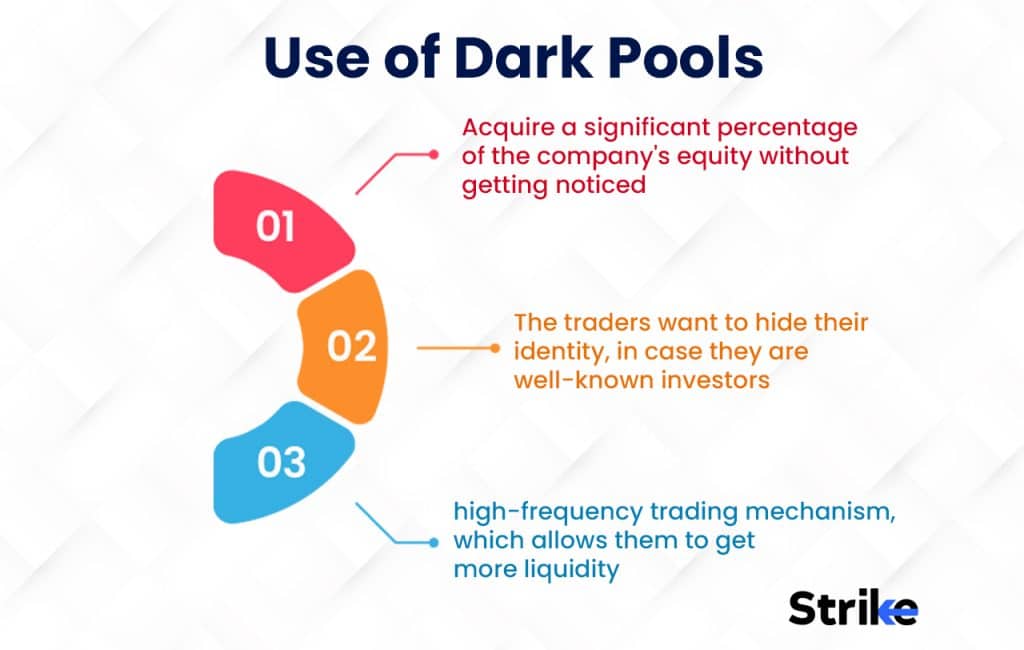
Over 40% of U.S. stock trades now occur in 'dark pools' -- private exchanges where institutional investors trade without revealing prices to the public market. This means public stock prices don't reflect actual supply and demand. Citadel Securities routes more than half of Robinhood's orders through dark pools. The SEC found that dark pool operators regularly advantage certain participants over others. During the GameStop squeeze, dark pool volume surged as retail buy orders were routed off-exchange.
“Dark pools are being used by institutional investors to trade massive volumes of stock without affecting the public price, effectively hiding the real market from retail investors.”
From “crazy” to confirmed
The Claim Is Made
This is the moment they called it crazy.
For decades, Wall Street insisted that stock markets operated transparently. Prices you see on your brokerage app reflect real supply and demand, regulators assured the public. What happened behind closed doors in private trading venues—dark pools—didn't matter much. That narrative has become harder to defend as the evidence accumulated.
Dark pools emerged in the 1980s as private exchanges where institutional investors could trade large blocks of stock without broadcasting their intentions to the public market first. The idea had merit: a pension fund moving millions of shares could move prices against itself if everyone saw it coming. But the system evolved into something different. Today, dark pools account for over 40% of all U.S. stock trades. That's not a footnote to market activity. That's the market.
The original claim was straightforward: dark pools hide price discovery from public investors. Critics argued that when 40 cents of every dollar in stock trades happens off-exchange, the price you see on CNBC doesn't reflect the actual supply and demand across the entire market. It's a partial picture. For years, this was dismissed as conspiracy thinking by people who didn't understand how markets worked. The SEC and major brokers downplayed concerns, suggesting dark pools provided important liquidity and that everything worked fine.
The dismissal became harder to maintain once investigators started looking closely. The SEC conducted examinations of dark pool operators and found something striking: they were regularly advantaging certain participants over others. Some clients got better prices. Some got faster execution. The playing field wasn't level, which meant some investors were systematically getting worse deals than others, even if they didn't know it.
Get the 5 biggest receipts every week, straight to your inbox — plus an exclusive PDF: The Top 10 Conspiracy Theories Proven True in 2025-2026. No spam. No agenda. Just the papers they couldn't hide.
You just read "Dark pools allow institutions to trade billions in stocks of…". We send ones like this every week.
No one's said anything yet. Be the first to drop your take.
The connection to Citadel Securities made the issue concrete. Citadel, one of the largest dark pool operators, also routes more than half of Robinhood's customer orders through its own dark pools. This created an obvious conflict of interest: Citadel profits when it can buy retail investors' sell orders cheaply and sell them into the public market at higher prices. The retail investor never sees the true price their shares actually commanded. They see whatever Citadel decides to show them.
The GameStop episode in 2021 illustrated the system in action. When retail traders flooded Robinhood with buy orders, those orders got routed into dark pools at unusually high volumes. This meant retail demand for GameStop stock never hit the public market where it would have driven the price higher. Instead, it disappeared into private venues where it could be managed differently.
None of this proves the system is rigged in the way some theorists claimed. Dark pools do serve legitimate functions. But the original critics weren't wrong. Dark pools do hide price discovery. Institutional investors do get advantages retail investors don't see. The SEC's own findings confirmed that dark pool operators advantage certain participants.
What matters now is what we do with this knowledge. The claim wasn't purely true, but it wasn't false either. It was substantially accurate in ways regulators once denied. That gap between official denials and documented reality erodes trust in financial markets and the institutions supposed to oversee them.