Internal Exxon research from the 1970s accurately predicted global warming from fossil fuels. The company then spent millions funding climate denial organizations.
“Climate science is uncertain and human influence on climate is unproven”
From “crazy” to confirmed
The Claim Is Made
This is the moment they called it crazy.
In the 1970s, Exxon's own scientists were running sophisticated climate models that accurately predicted global warming decades before it became mainstream scientific consensus. They knew what was coming. Yet by the 1980s, the company would spend millions of dollars funding organizations that cast doubt on the very science its researchers had validated.
This is not speculation or inference. Internal company documents show that Exxon's scientists conducted rigorous climate research and reached alarming conclusions about CO2 emissions and rising global temperatures. Their models were remarkably accurate—predictions made in the 1970s aligned closely with what we observe today. The company's leadership had access to these findings and understood the implications.
When climate change began entering public discourse in the 1980s, Exxon's strategy shifted dramatically. Rather than acknowledge what their researchers had discovered, the company became one of the largest funders of climate denial campaigns. They contributed millions to think tanks, front groups, and PR operations designed to create public confusion about climate science and delay regulatory action.
The official response from ExxonMobil was defensive and dismissive. The company argued that its scientists had simply conducted exploratory research, not definitive proof. They contended that they were supporting legitimate scientific debate and that funding skeptical voices was appropriate. This narrative persisted for decades, with the company maintaining that it had never deliberately suppressed climate findings or misled the public.
Get the 5 biggest receipts every week, straight to your inbox — plus an exclusive PDF: The Top 10 Conspiracy Theories Proven True in 2025-2026. No spam. No agenda. Just the papers they couldn't hide.
You just read "Exxon scientists accurately predicted climate change then fu…". We send ones like this every week.
No one's said anything yet. Be the first to drop your take.
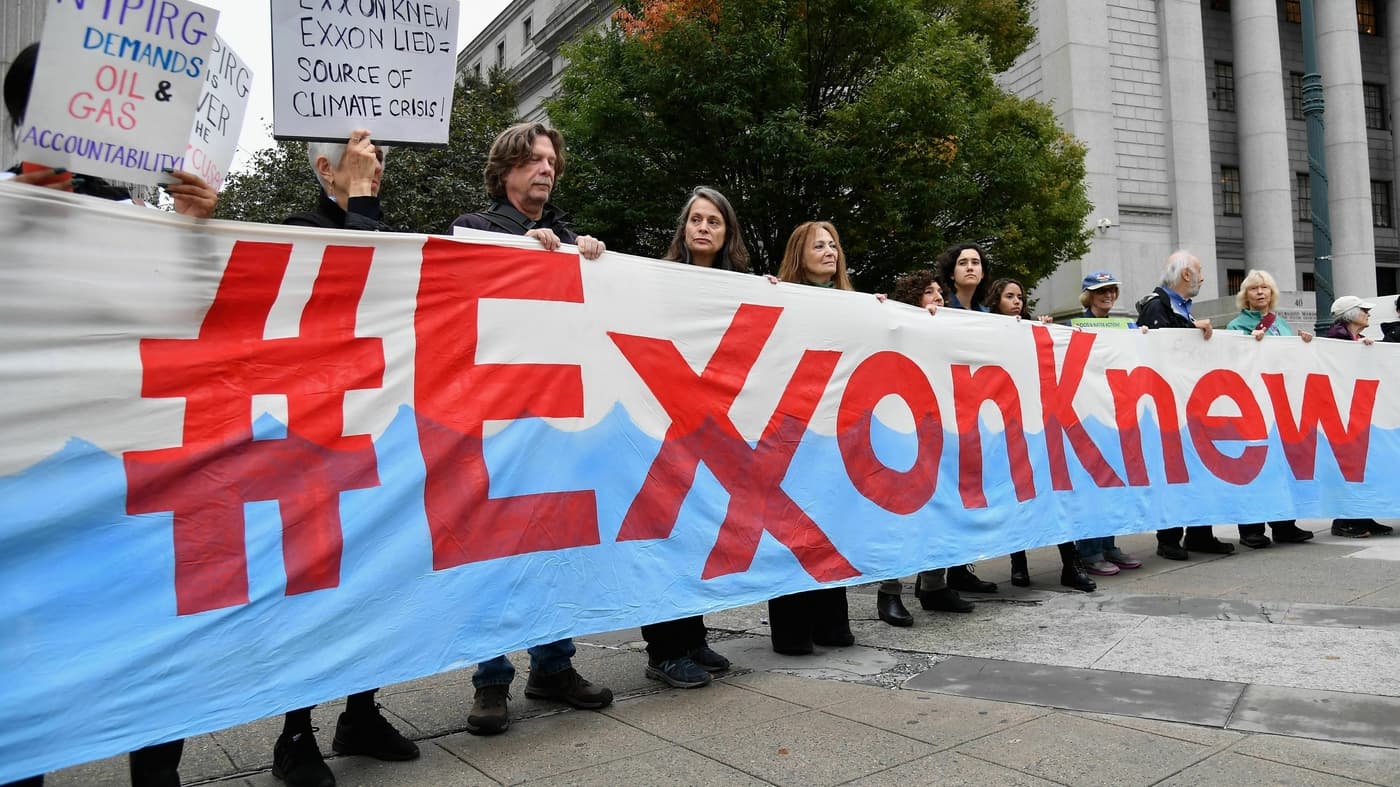
But the evidence tells a different story. Investigative journalists and researchers uncovered internal Exxon documents that showed a clear contradiction between what the company knew internally and what it promoted publicly. Presentations, memos, and research papers from Exxon scientists confirmed their accurate understanding of climate risks. Meanwhile, the company's external messaging and funding priorities actively promoted doubt and delay.
The contrast is stark. Exxon scientists had modeled climate sensitivity—the degree of warming from increased CO2—with surprising accuracy. They understood the connection between fossil fuels and atmospheric warming. They recognized the long-term risks to the climate system. Yet instead of using this knowledge to responsibly transition away from fossil fuels or at least prepare for climate impacts, Exxon chose to obscure it.
This wasn't a case of genuine scientific disagreement or good-faith uncertainty. It was a calculated choice to fund voices that would contradict what the company's own researchers knew to be true. The goal was simple: delay action on climate change for as long as possible to protect corporate profits.
What makes this significant today goes beyond Exxon itself. This case demonstrates how institutional knowledge can be suppressed, how money can distort public understanding of science, and how the difference between what powerful entities know privately and what they claim publicly can be measured in decades of inaction. Millions of people made decisions about climate change based on manufactured uncertainty, while one of the world's largest energy companies already understood the stakes.
The verification of this claim fundamentally undermines trust in institutions that prioritized profit over transparency. It shows that we cannot rely on self-regulation by industries with vested interests. And it raises uncomfortable questions about how many other established institutions are doing exactly what Exxon did—knowing one thing internally while promoting another publicly.
Beat the odds
This had a 0.8% chance of leaking — someone talked anyway.
Conspirators
~200Network
Secret kept
10.7 years
Time to 95% exposure
500+ years