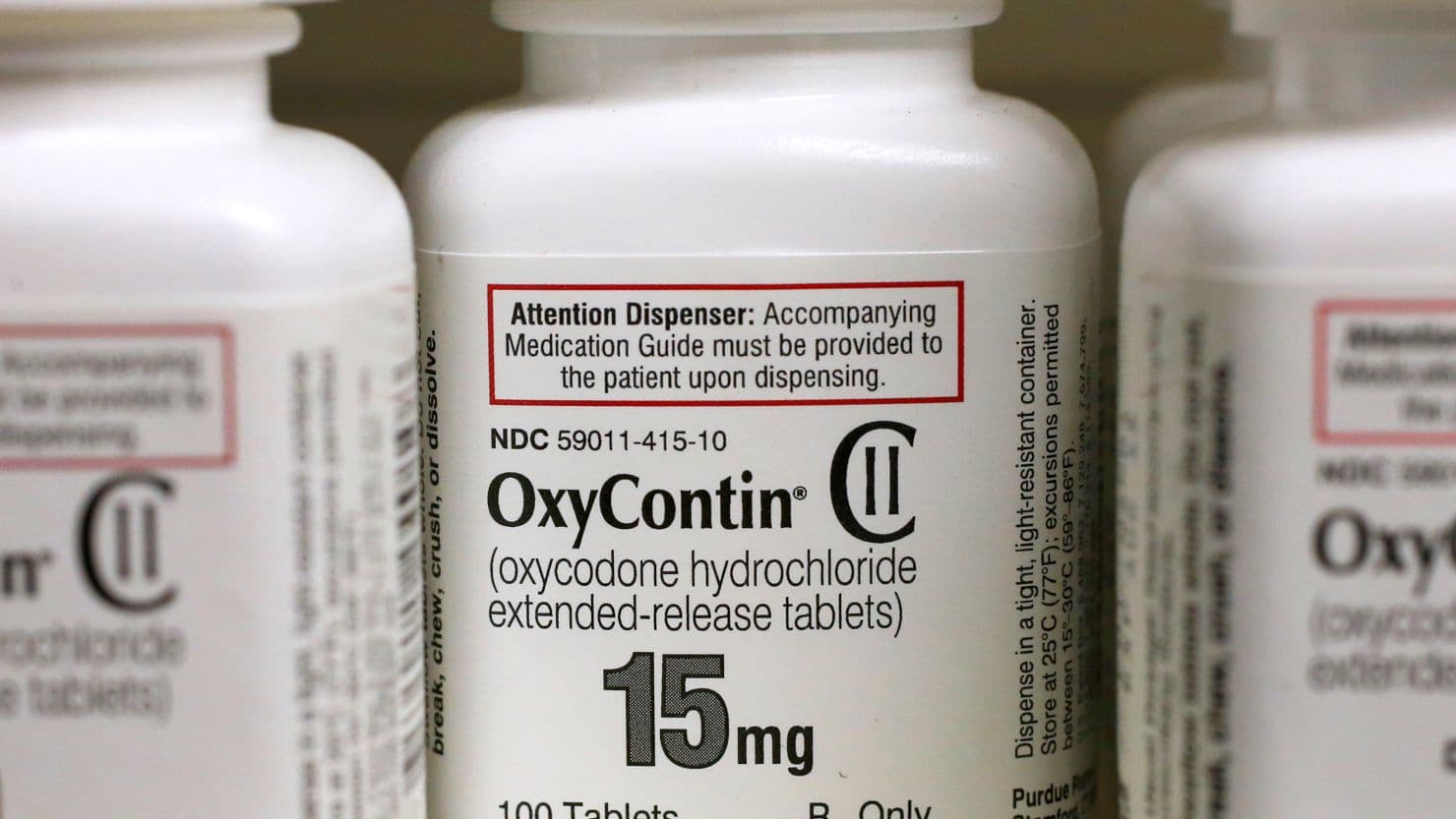
FDA scientists found SSRIs doubled suicide risk in children but agency suppressed findings until whistleblower leaked internal documents in 2004.
“There is no credible evidence that antidepressants increase suicide risk in children”
From “crazy” to confirmed
The Claim Is Made
This is the moment they called it crazy.
When the FDA approved selective serotonin reuptake inhibitors (SSRIs) for childhood depression in the late 1990s, the agency assured doctors and parents that these medications were safe. The official position was clear: benefits outweighed risks. What wasn't public was that FDA scientists had already identified something troubling in their own analysis.
In 2003 and 2004, internal FDA documents revealed that the agency's own reviewers had found a troubling pattern. Children taking SSRIs showed roughly double the suicide risk compared to those taking placebo. This wasn't speculation or a single study—it emerged from the FDA's systematic review of clinical trial data submitted by pharmaceutical manufacturers. The findings were damning enough that they should have triggered immediate action.
Yet the public knew nothing about it. The FDA did not issue warnings. The agency did not halt approvals or recommend restrictions on use in children. Doctors continued prescribing these medications at increasing rates, and parents made treatment decisions based on incomplete information.
The agency's official response when questioned was measured: the data required further study, they said. The suicide risk was rare, they suggested. Direct causation couldn't be definitively proven from the available evidence. These weren't entirely unreasonable positions from a scientific standpoint, but they obscured a critical fact—the FDA knew there was a signal of serious harm and chose not to tell the public about it.
What changed was a whistleblower. In 2004, Dr. Andrew Mosholder, an FDA safety reviewer, leaked the internal findings to journalists and congressional staff. The documents showed exactly what FDA scientists had concluded: children on SSRIs experienced suicidal thoughts and behaviors at rates that alarmed even regulators accustomed to weighing medication risks. Mosholder's disclosure forced the issue into public view when the agency would have preferred continued silence.
Get the 5 biggest receipts every week, straight to your inbox — plus an exclusive PDF: The Top 10 Conspiracy Theories Proven True in 2025-2026. No spam. No agenda. Just the papers they couldn't hide.
You just read "FDA suppressed evidence that antidepressants increase suicid…". We send ones like this every week.
No one's said anything yet. Be the first to drop your take.
The fallout was significant. By 2005, the FDA issued a "black box" warning—the most serious type—indicating that antidepressants increased suicide risk in children and adolescents. This was not the agency vindication of safety; it was an acknowledgment that harm had been underestimated or, more accurately, concealed. Subsequent research confirmed the concern was legitimate. Multiple studies found increased suicidal ideation in young people starting SSRI treatment, particularly in the first weeks of therapy.
The claim that "FDA suppressed evidence of suicide risk" wasn't a conspiracy theory concocted by skeptics. It was documented fact backed by the agency's own records. The suppression wasn't dramatic or cartoonish—there were no destroyed documents or threatened scientists. It was institutional: a regulator that had approved a drug being reluctant to acknowledge harm, combined with a culture where safety concerns were treated as problems to be managed through careful communication rather than immediately disclosed.
This case matters because it reveals the gap between what regulatory agencies know and what they tell the public. The FDA exists to protect American health, but that mandate sometimes conflicts with other pressures. When an agency chooses silence over transparency about child safety, it corrodes trust. Doctors couldn't make fully informed decisions. Parents couldn't weigh risks properly. Children potentially suffered preventable harm.
The lesson isn't that SSRIs are dangerous drugs that should never be used—they help many people, including some young people with severe depression. The lesson is that we cannot assume regulatory silence means safety. Sometimes it just means waiting for someone brave enough to leak the truth.
Beat the odds
This had a 1.7% chance of leaking — someone talked anyway.
Conspirators
~200Network
Secret kept
21.7 years
Time to 95% exposure
500+ years