Internal Monsanto documents revealed the company knew PCBs were toxic in the 1930s but continued marketing them as safe until banned in 1979.
“PCBs are among the most innocuous chemicals known to man”
From “crazy” to confirmed
The Claim Is Made
This is the moment they called it crazy.
A chemical company marketed a product as safe while internal documents showed executives knew it was dangerous. This wasn't a recent discovery or a theoretical concern—it happened over decades, with Monsanto knowingly selling polychlorinated biphenyls (PCBs) to industrial clients across America while suppressing evidence of their toxicity.
The story begins in the 1930s. Monsanto, already an industrial powerhouse, was manufacturing PCBs for use in electrical transformers, capacitors, and countless other applications. The company's own scientists began documenting that PCBs were harmful to human health and the environment. Yet the marketing continued. PCBs were sold as miracle chemicals—stable, heat-resistant, and perfect for modern industry. The company promoted them as safe for decades while knowing the opposite was true.
Initially, when concerns about PCBs surfaced, Monsanto and industry defenders dismissed them as exaggerated fears. They pointed to the chemicals' usefulness and questioned whether real harm was occurring. The official position was that PCBs were well-controlled industrial chemicals that posed no significant risk when handled properly. Regulators accepted these assurances. Industries continued using them. The public remained largely unaware of any danger.
But internal documents told a different story. Legal proceedings, particularly those that emerged in the latter half of the 20th century, revealed what Monsanto's executives had known all along. Memos and research notes showed the company possessed evidence of PCB toxicity dating back to the 1930s. Rather than disclose this information or cease production, the company continued manufacturing and marketing the chemicals. When external research began confirming PCB toxicity in the 1960s and 1970s, Monsanto's response wasn't to warn the public—it was to minimize the findings and protect its profits.
Get the 5 biggest receipts every week, straight to your inbox — plus an exclusive PDF: The Top 10 Conspiracy Theories Proven True in 2025-2026. No spam. No agenda. Just the papers they couldn't hide.
You just read "Monsanto hid PCB toxicity data while marketing chemicals as …". We send ones like this every week.
No one's said anything yet. Be the first to drop your take.
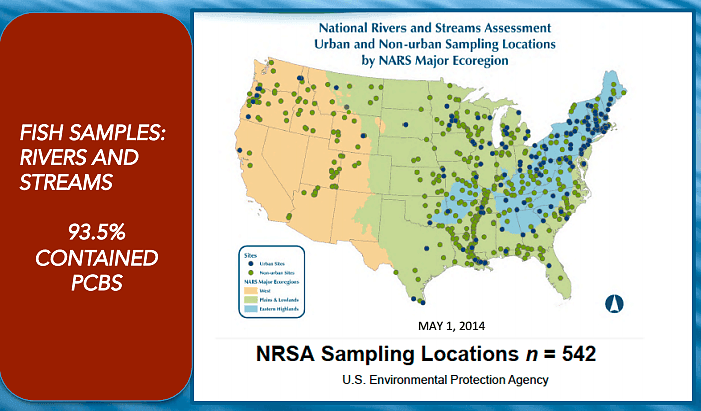
The toxicity was real and severe. PCBs accumulate in body tissue and don't break down naturally. Exposure causes skin conditions, liver damage, immune system suppression, and has been linked to cancer. The chemicals contaminated rivers, fish populations, and eventually worked their way through food chains into human bodies across the country. Workers at Monsanto facilities and customers who used the products faced exposure without knowing the risks they faced.
It wasn't until 1979 that the United States banned PCBs. By then, Monsanto had sold millions of pounds of the chemical. The contamination persists today—PCBs remain detectable in most Americans' bloodstreams and continue to pose health risks nearly half a century after the ban.
What makes this case particularly significant is how it demonstrates the vulnerability of public trust when profit motives override transparency. Monsanto didn't face consequences proportional to the scale of the deception or the harm caused. The company continued operating under its own name until 2018, when it was acquired by Bayer.
This verified claim matters because it reveals a pattern that persists: corporations can possess critical safety information, choose not to disclose it, and face minimal accountability. The PCB case proves that "we didn't know" is sometimes a lie—and that internal documents can eventually expose what companies knew all along.
Beat the odds
This had a 1.9% chance of leaking — someone talked anyway.
Conspirators
~200Network
Secret kept
24.2 years
Time to 95% exposure
500+ years