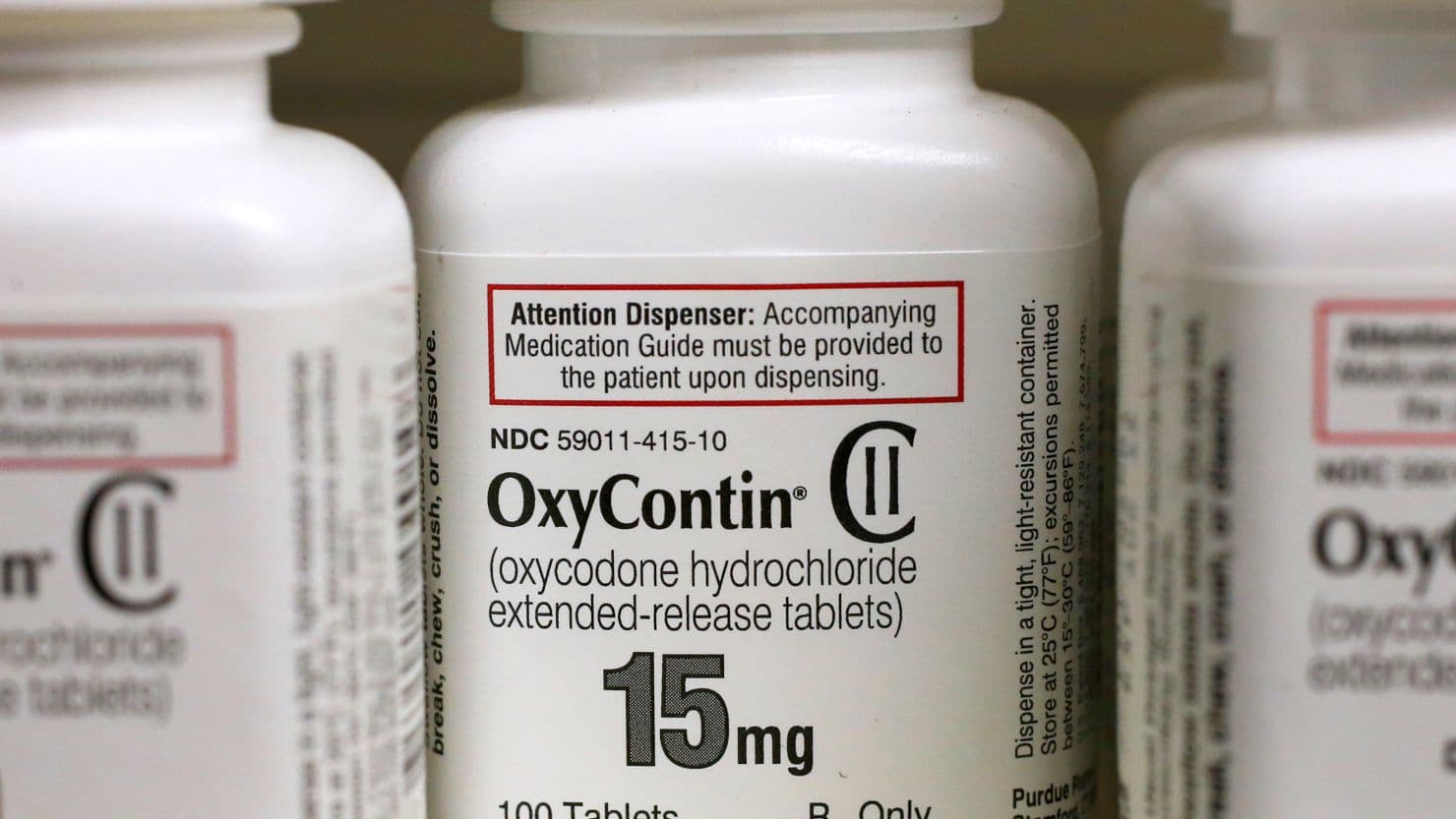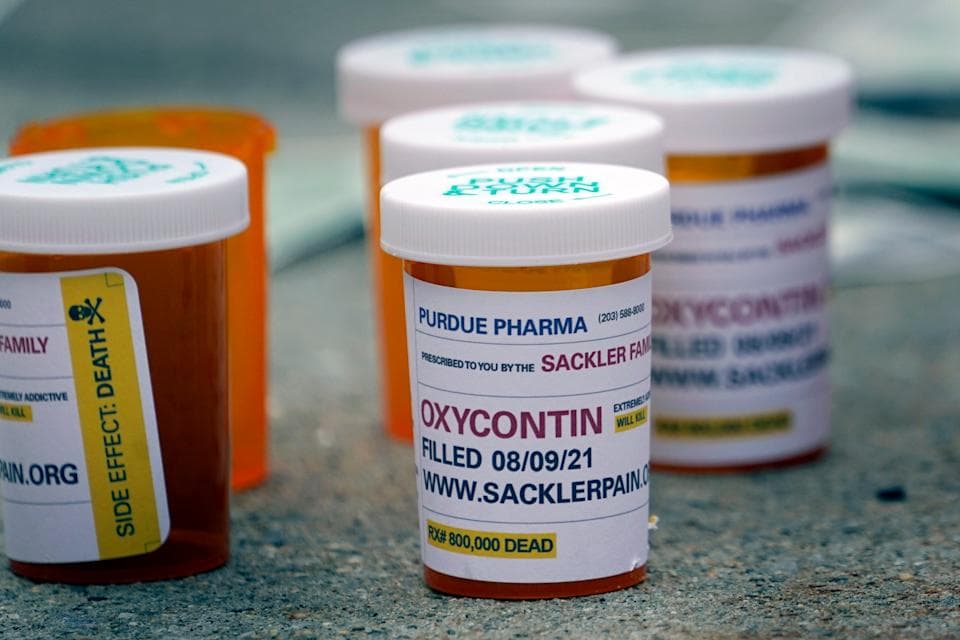
Internal documents showed Purdue executives knew OxyContin was highly addictive but trained sales reps to claim 12-hour dosing reduced addiction risk compared to other opioids.
“OxyContin has a lower addiction potential due to its time-release formula”
From “crazy” to confirmed
The Claim Is Made
This is the moment they called it crazy.
In the 1990s, Purdue Pharma introduced OxyContin with a specific marketing pitch: this extended-release opioid was safer than existing pain medications because its 12-hour dosing mechanism reduced the risk of addiction. Sales representatives fanned out across the country armed with this message, and doctors—wanting to help their patients—believed it. The drug became a blockbuster. But there's a critical problem with this story: Purdue's own executives knew, based on internal research, that OxyContin was highly addictive and that the 12-hour dosing claim was misleading.
For decades, the company denied any knowledge of the addiction problem. Purdue executives pointed to FDA approval and clinical data suggesting their marketing was accurate. When early signs of addiction emerged, the company blamed patients, characterizing addiction as rare and primarily affecting people with histories of substance abuse. This narrative stuck in many corners of the medical and legal communities for years.
The turning point came when internal company documents surfaced through litigation, congressional investigations, and law enforcement inquiries. These emails, memos, and training materials revealed a stark disconnect between what Purdue knew and what it told the world. Internal communications showed that executives understood OxyContin's abuse potential was comparable to or possibly greater than other opioids on the market. Despite this knowledge, sales teams continued training that emphasized addiction risk was minimal when the drug was prescribed as directed.
One particularly damning element was the "pseudoaddiction" concept that Purdue promoted. The company encouraged sales representatives to tell doctors that patients requesting more medication weren't actually addicted—they were "pseudoaddicted," meaning they simply needed more of the drug for pain management. This marketing tactic blurred critical lines between legitimate pain treatment and dependency, creating a pathway for overprescribing.
Get the 5 biggest receipts every week, straight to your inbox — plus an exclusive PDF: The Top 10 Conspiracy Theories Proven True in 2025-2026. No spam. No agenda. Just the papers they couldn't hide.
You just read "Purdue Pharma knew OxyContin addiction potential but markete…". We send ones like this every week.
No one's said anything yet. Be the first to drop your take.
By the time these documents became public, the damage was already done. An estimated 500,000 Americans had died from opioid overdoses involving prescription painkillers, heroin, or fentanyl over the preceding two decades. Purdue eventually settled its legal cases for billions of dollars, but the company's initial strategy had fundamentally altered the course of the opioid crisis.
What makes this case significant isn't just that Purdue knowingly misled doctors and patients. It demonstrates how institutional knowledge about serious risks can remain deliberately compartmentalized, with marketing divisions operating independently from research teams that knew the truth. It shows how financial incentives can override ethical considerations when consequences feel distant and diffuse.
The opioid crisis stands as one of the most consequential health disasters of our time, and it didn't happen by accident. It resulted from deliberate choices made by people who knew better. This isn't speculation or hindsight criticism—it's what their own documents show. Understanding this case matters because it reveals how public institutions can fail catastrophically when corporate interests align with selective communication.
For those following how institutions handle crisis accountability, Purdue's trajectory offers an essential lesson: the distance between what an organization knows internally and what it claims publicly can span decades and cost hundreds of thousands of lives.
Beat the odds
This had a 1.5% chance of leaking — someone talked anyway.
Conspirators
~200Network
Secret kept
19 years
Time to 95% exposure
500+ years