Court filings revealed Purdue executives received reports of widespread OxyContin abuse and addiction by 2000 but continued aggressive marketing claiming low addiction potential until 2007.
“OxyContin's 12-hour formulation provides a lower addiction risk compared to immediate-release opioids”
From “crazy” to confirmed
The Claim Is Made
This is the moment they called it crazy.
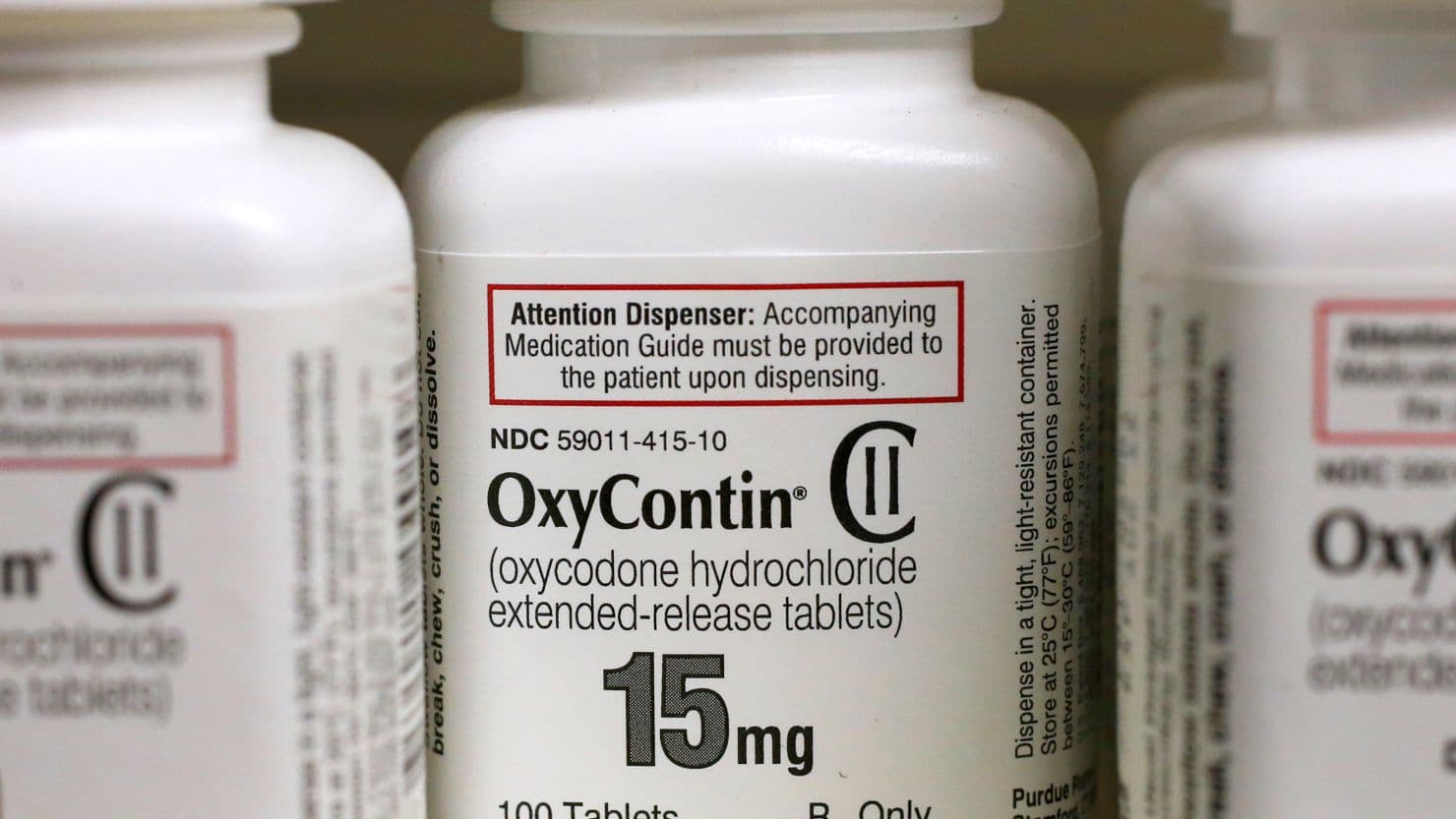
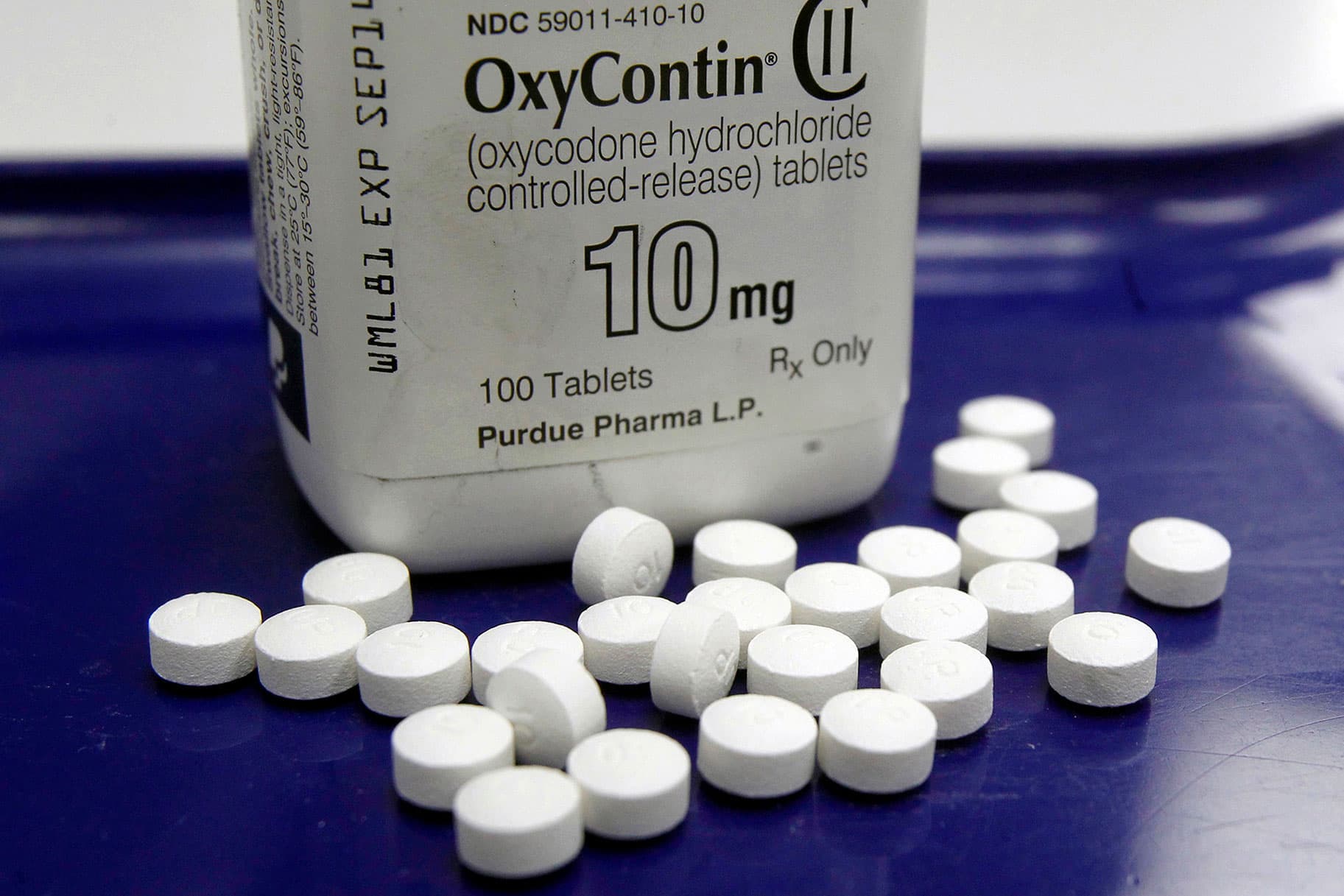
When Purdue Pharma introduced OxyContin to the market in 1996, the company aggressively promoted it as a breakthrough painkiller with a low addiction potential. Sales representatives visited doctors' offices with carefully crafted messaging: this extended-release oxycodone formulation was fundamentally different from other opioids. The abuse-resistant claim became the cornerstone of Purdue's marketing strategy, transforming OxyContin into a blockbuster drug that generated billions in revenue.
For years, Purdue maintained this position publicly and to regulators. The company argued that the extended-release mechanism, which slowly released medication over 12 hours, made the drug unsuitable for abuse. Industry experts and company spokespeople dismissed concerns about addiction potential, attributing any problems to patient misuse rather than inherent flaws in the drug itself.
But internal documents told a different story. Court filings from lawsuits against Purdue revealed that executives received detailed reports of widespread OxyContin abuse and addiction as early as 2000. These weren't vague concerns—they were concrete data showing that patients were crushing pills, snorting them, and injecting them to achieve immediate highs, completely circumventing the extended-release mechanism. Some employees even flagged these dangers in internal communications.
Despite this knowledge, Purdue continued its marketing campaign claiming low addiction potential until 2007. The company didn't issue a significant warning about abuse risks until a decade after launching the drug, well after an estimated hundreds of thousands of Americans had become addicted. Training materials for sales representatives still emphasized low addiction rates even as the company's own pharmacovigilance data contradicted these claims.
Get the 5 biggest receipts every week, straight to your inbox — plus an exclusive PDF: The Top 10 Conspiracy Theories Proven True in 2025-2026. No spam. No agenda. Just the papers they couldn't hide.
You just read "Purdue Pharma Knew OxyContin Addiction Risk Despite Marketin…". We send ones like this every week.
No one's said anything yet. Be the first to drop your take.
The evidence emerged through a combination of investigative journalism, government investigations, and litigation discovery processes. The New York Times and other outlets reported on internal documents showing Purdue knew about the addiction crisis far earlier than publicly acknowledged. State attorneys general and federal prosecutors eventually pieced together a more complete picture, leading to a 2007 guilty plea where three Purdue executives pleaded guilty to criminal charges of misbranding.
Even that resolution proved insufficient. Purdue later faced a tsunami of lawsuits from states, municipalities, and individuals harmed by the drug. In 2020, the company filed for bankruptcy and agreed to a settlement worth billions, though critics argued the penalties were inadequate given the scale of harm. The opioid crisis that followed OxyContin's aggressive marketing has killed hundreds of thousands of Americans and destabilized entire communities.
This case matters because it demonstrates how institutional knowledge can diverge dramatically from public claims. Purdue Pharma executives had access to information showing their product was dangerous, yet chose profit over transparency. They weaponized the trust that doctors and patients place in pharmaceutical companies, using carefully calibrated messaging to obscure inconvenient truths.
The OxyContin case fundamentally altered how Americans view pharmaceutical industry claims. It exposed the gap between what companies know privately and what they tell the public. It showed that regulatory systems designed to protect public health had significant blind spots. Most importantly, it revealed that when financial incentives are strong enough, institutions will knowingly mislead millions of people—and that proving they knew the truth often requires years of litigation and investigation. That's not conspiracy thinking. That's documented history.
Beat the odds
This had a 1.5% chance of leaking — someone talked anyway.
Conspirators
~200Network
Secret kept
19 years
Time to 95% exposure
500+ years