At OxyContin's 1996 launch, Richard Sackler predicted it 'will be followed by a blizzard of prescriptions that will bury the competition.' Purdue instructed reps to tell doctors OxyContin was not addictive, and that only those with an 'addictive personality' became addicts. When the epidemic emerged, Sackler devised a strategy to blame the victims. In 2007, a Purdue affiliate pleaded guilty to felony misbranding. Over 20 million documents were ordered disclosed. The Sacklers agreed to pay $4.325 billion while having extracted billions beforehand.
“The Sackler family deliberately designed OxyContin marketing to maximize addiction, lied about addictive properties, then blamed the victims when people died.”
From “crazy” to confirmed
The Claim Is Made
This is the moment they called it crazy.
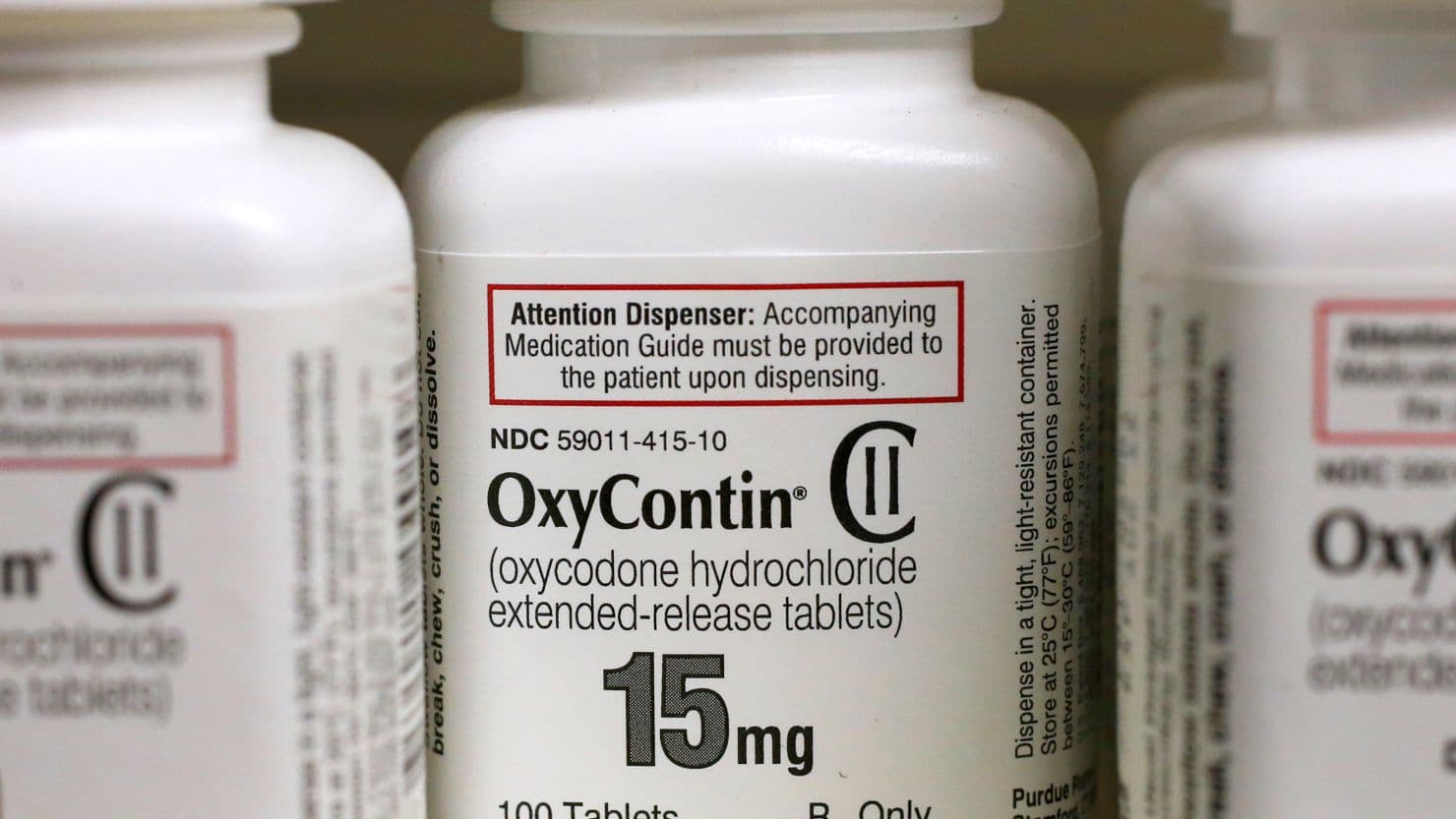
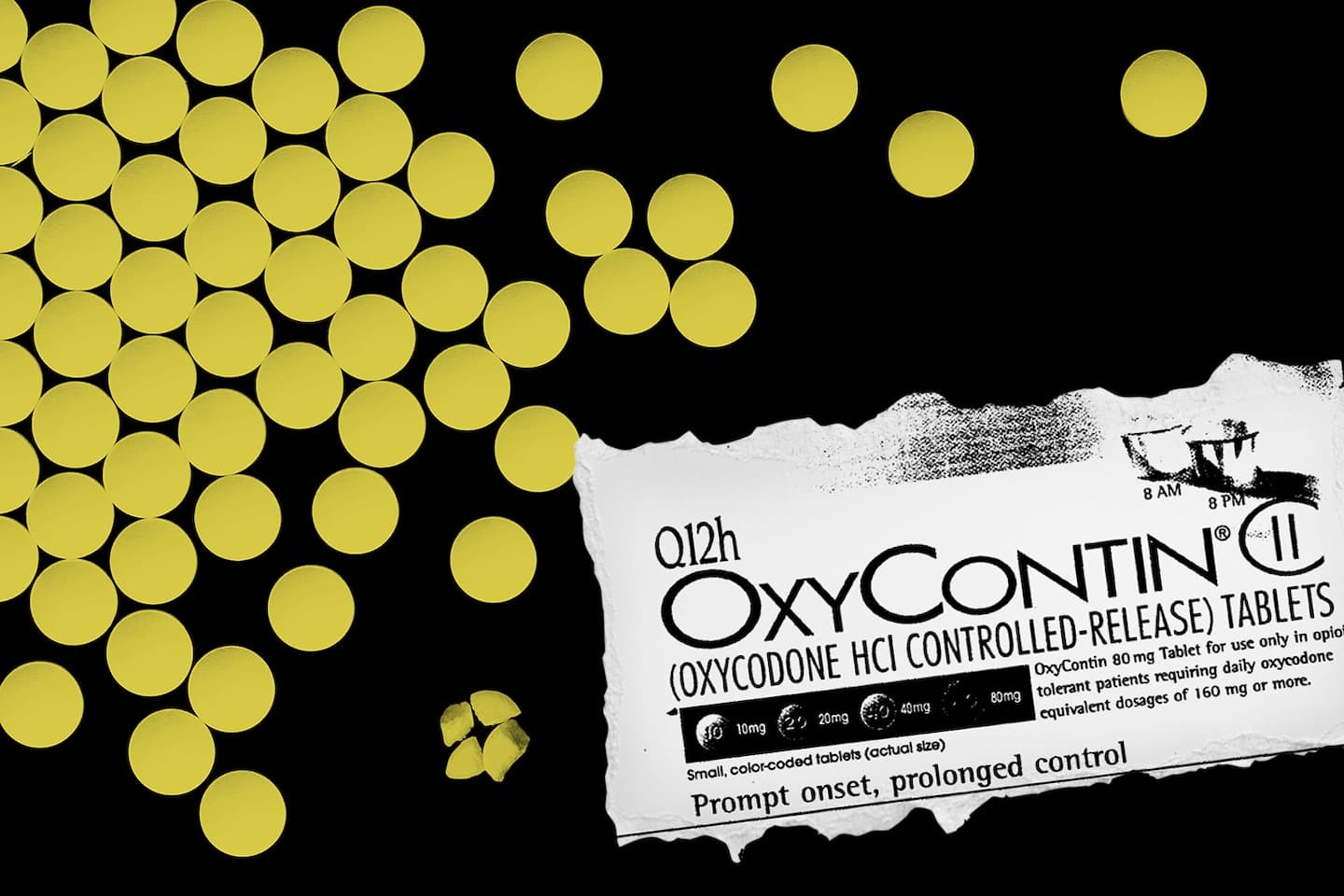
When Richard Sackler stood before Purdue Pharma's leadership in 1996, he made a prediction that would haunt the company for decades. He anticipated that OxyContin would be "followed by a blizzard of prescriptions that will bury the competition." What makes this statement remarkable isn't the confidence—it's what happened next, and what internal documents reveal about what Sackler and his company knew.
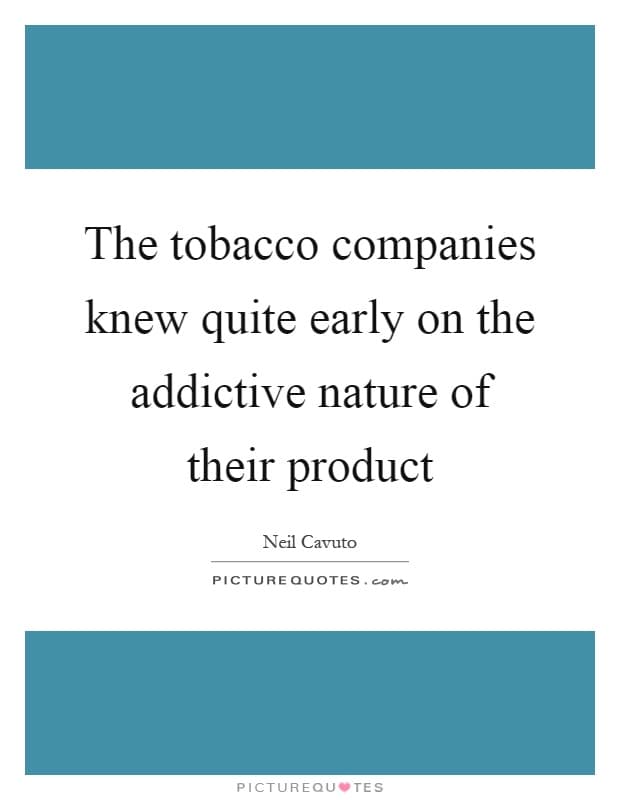
For years, Purdue Pharma told the public, doctors, and regulators that OxyContin was safe. The company instructed its sales representatives to tell physicians that the drug was not addictive, and that addiction only developed in people with an "addictive personality." This messaging became the foundation of OxyContin's explosive growth in the late 1990s and early 2000s. Doctors, trusting the manufacturer's assurances, prescribed it liberally for pain management. The public largely accepted these claims as accurate.
But the epidemic that followed—the addiction crisis that would eventually kill hundreds of thousands of Americans—created a problem for Purdue and the Sackler family. Once the addiction rates became undeniable, the company needed a new strategy. Rather than accepting responsibility for knowingly misleading the medical community, Richard Sackler and his associates developed an approach to shift blame. They began characterizing addiction itself as a character flaw, a weakness of the addict rather than a consequence of their product.
The turning point came in 2007, when Purdue Pharma pleaded guilty to felony misbranding charges. This wasn't a minor settlement or regulatory slap on the wrist—it was a criminal conviction. The company admitted in federal court that it had misrepresented 's safety and addiction potential. Following this guilty plea, a court order compelled the disclosure of over 20 million internal documents. These papers provided the documentary evidence that had been missing: proof of what actually knew and when he knew it.
Get the 5 biggest receipts every week, straight to your inbox — plus an exclusive PDF: The Top 10 Conspiracy Theories Proven True in 2025-2026. No spam. No agenda. Just the papers they couldn't hide.
You just read "Richard Sackler predicted a 'blizzard of prescriptions' at O…". We send ones like this every week.
No one's said anything yet. Be the first to drop your take.
Confirmed: They Were Right
The truth comes out. Officially documented.
Confirmed: They Were Right
The truth comes out. Officially documented.
The documents confirmed what the "blizzard of prescriptions" comment suggested. Sackler and Purdue had anticipated massive adoption. They had calculated the consequences. And yet they had proceeded with a marketing campaign designed to minimize addiction risks. The internal communications showed a company that understood the danger but chose profit over public health.
In 2022, the Sackler family agreed to a settlement worth $4.325 billion. The number sounds substantial until you consider what the family had already extracted from the company through decades of sales and dividends. They had essentially profited from the epidemic first, then paid a fraction of those profits to settle claims afterward.
What this case demonstrates extends beyond one family or one company. It reveals how institutional knowledge can be weaponized. When a manufacturer knows that addiction will follow widespread distribution, and deliberately conceals that knowledge while shifting blame to future victims, it represents a particular kind of deception. Not a mistake. Not negligence. A calculated strategy.
The question that lingers is simpler than the legal complexities suggest: if Sackler could predict a "blizzard of prescriptions," what responsibility did he bear for the blizzard of addictions that followed? The documents suggest he understood the connection all along.
Beat the odds
This had a 1.4% chance of leaking — someone talked anyway.
Conspirators
~200Network
Secret kept
17.8 years
Time to 95% exposure
500+ years