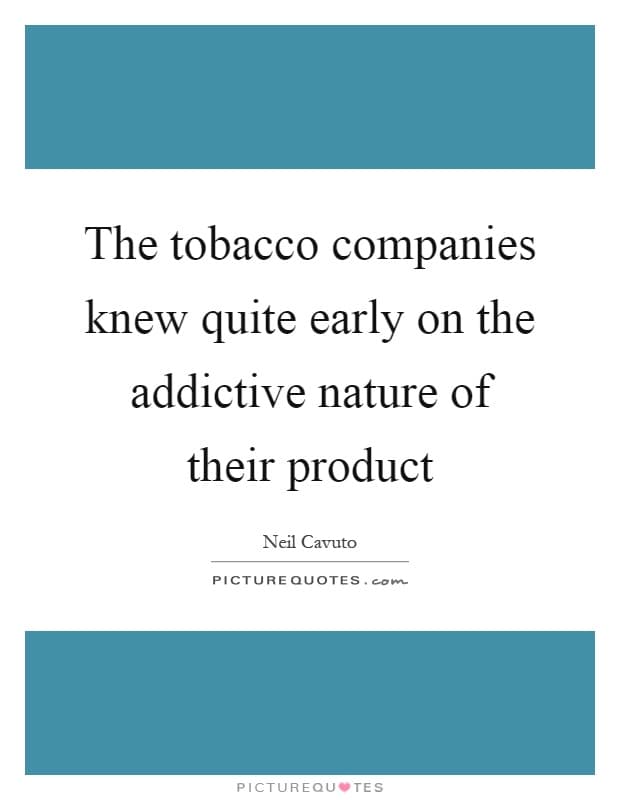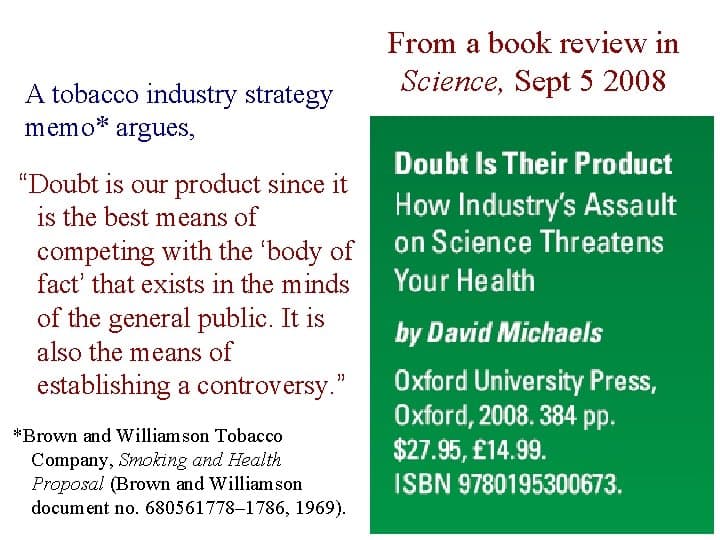
A 1969 R.J. Reynolds memo stated: 'Doubt is our product since it is the best means of competing with the body of fact that exists in the mind of the general public.' This became the blueprint for corporate disinformation: manufacturing doubt, recruiting skeptical scientists, creating illusions of debate, attacking researchers, and funding industry-friendly research. Documented in 'Merchants of Doubt,' this exact playbook was adopted by the fossil fuel industry, the sugar industry, and pharmaceutical companies.
“The tobacco companies deliberately created a strategy of doubt — funding fake science, attacking real scientists, and manufacturing the appearance of controversy where none existed.”
From “crazy” to confirmed
The Claim Is Made
This is the moment they called it crazy.
In 1969, an internal memo circulated within R.J. Reynolds Tobacco Company that would later become one of the most damning documents in corporate history. The memo contained a single sentence that captured the essence of a strategy: "Doubt is our product since it is the best means of competing with the body of fact that exists in the mind of the general public." What was being discussed in that memo was not a bug in the company's approach—it was the feature.
By the late 1960s, the scientific evidence against smoking was overwhelming. The 1964 Surgeon General's report had declared smoking a health hazard. Study after study confirmed the link between cigarettes and cancer, heart disease, and respiratory illness. Tobacco companies couldn't win by arguing the science was wrong. So they chose a different battlefield: they would win by making sure the public didn't believe the science was settled.
What the tobacco industry did next became a masterclass in manufactured doubt. They recruited scientists who were willing to question the consensus. They funded research designed to produce ambiguous results. They created industry-friendly organizations that looked independent but existed primarily to cast aspersions on mainstream research. They attacked the credibility of researchers who threatened their business. The strategy wasn't to prove cigarettes were safe—it was to ensure that enough people believed the question remained open.
For decades, this playbook worked. Tobacco companies successfully delayed meaningful regulation by creating the appearance of scientific debate where little genuine debate existed. The industry's own scientists knew the risks. Internal documents showed executives understood the addictive and carcinogenic properties of their products. But the public saw conflict, uncertainty, and dueling experts.
What makes this claim particularly significant is not that the tobacco industry engaged in deception—that was exposed and prosecuted. What matters is that the playbook didn't die with tobacco. Scholars and researchers documented how the exact same strategy migrated to other industries facing inconvenient science.
Get the 5 biggest receipts every week, straight to your inbox — plus an exclusive PDF: The Top 10 Conspiracy Theories Proven True in 2025-2026. No spam. No agenda. Just the papers they couldn't hide.
You just read "Tobacco's 1969 memo — 'Doubt is our product' — created the d…". We send ones like this every week.
No one's said anything yet. Be the first to drop your take.
Confirmed: They Were Right
The truth comes out. Officially documented.
Confirmed: They Were Right
The truth comes out. Officially documented.
The fossil fuel industry adopted it wholesale. When climate scientists began sounding alarms in the 1980s and 1990s, the same pattern emerged: fund skeptical researchers, create think tanks that questioned the consensus, attack the credibility of climatologists, and manufacture the impression that serious debate persisted in the scientific community. The parallels are not coincidental—some of the same PR firms and scientists moved from defending tobacco to defending oil.
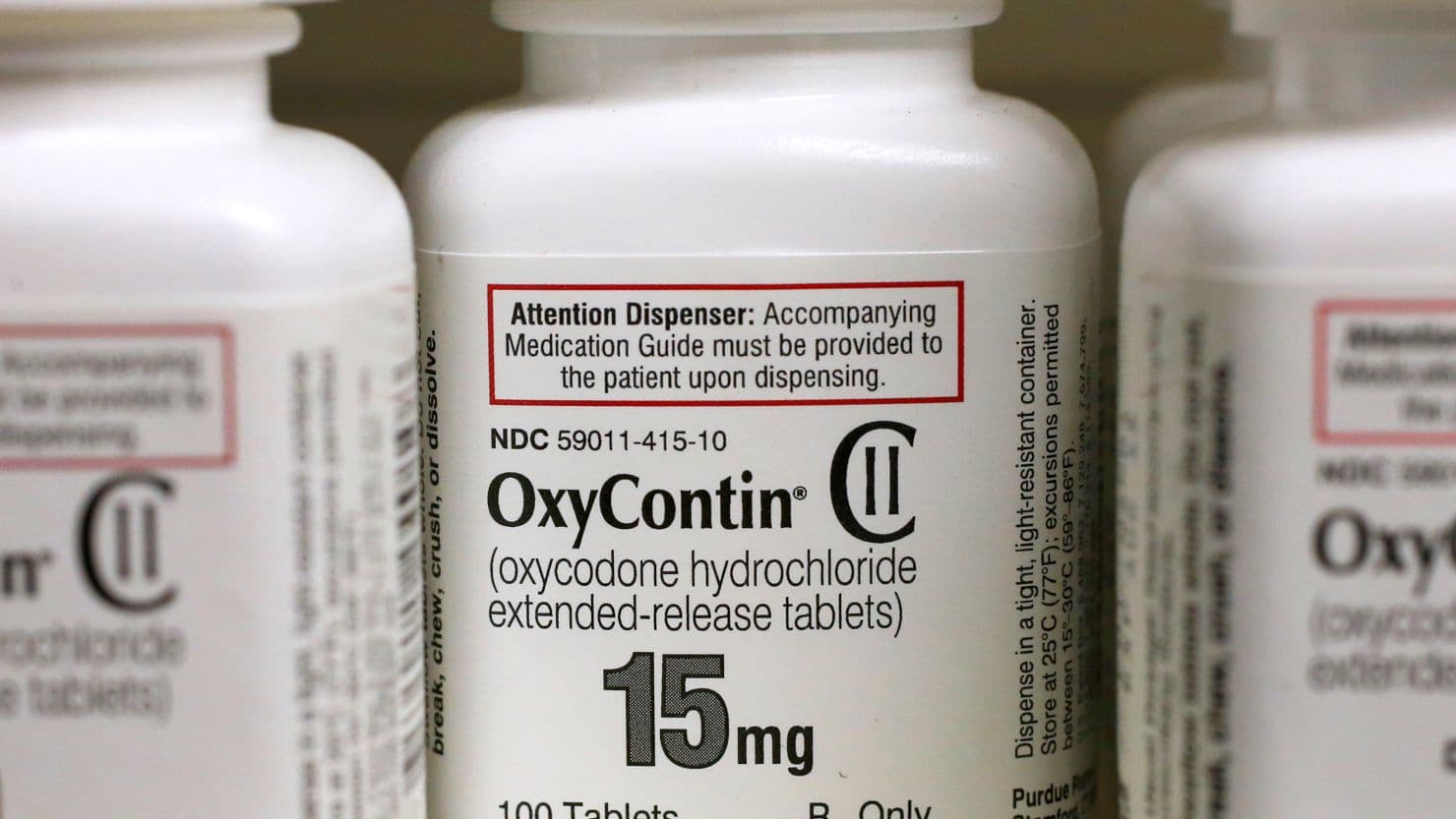
The sugar industry deployed similar tactics when research linked refined sugar to obesity and diabetes. Pharmaceutical companies have used variations of this playbook when facing lawsuits over drugs like opioids. Each time, the mechanism remained the same: don't win the argument on the merits, win it by making people doubt the merits exist.
The significance extends beyond historical interest. This documented strategy reveals something critical about how modern institutions can undermine public trust in expertise. When industries with financial incentives to obscure truth employ organized campaigns to manufacture doubt, ordinary people face an impossible choice: whom to believe?
Understanding that this playbook exists, that it's been documented and deployed repeatedly, matters because it helps us recognize it when we see it. The tobacco memo wasn't just a confession of past sins. It was a blueprint that's still being followed.
Beat the odds
This had a 2.4% chance of leaking — someone talked anyway.
Conspirators
~200Network
Secret kept
29.9 years
Time to 95% exposure
500+ years