Internal 3M documents showed the company knew PFAS chemicals were accumulating in employee blood and contaminating groundwater near plants since the 1970s. Company studies linked exposure to health problems.
“PFAS chemicals in our products do not pose significant health or environmental risks at typical exposure levels”
From “crazy” to confirmed
The Claim Is Made
This is the moment they called it crazy.
For decades, 3M Company manufactured some of the world's most useful chemicals at plants across the United States. What the company kept to itself was that these same chemicals were poisoning the people who made them.
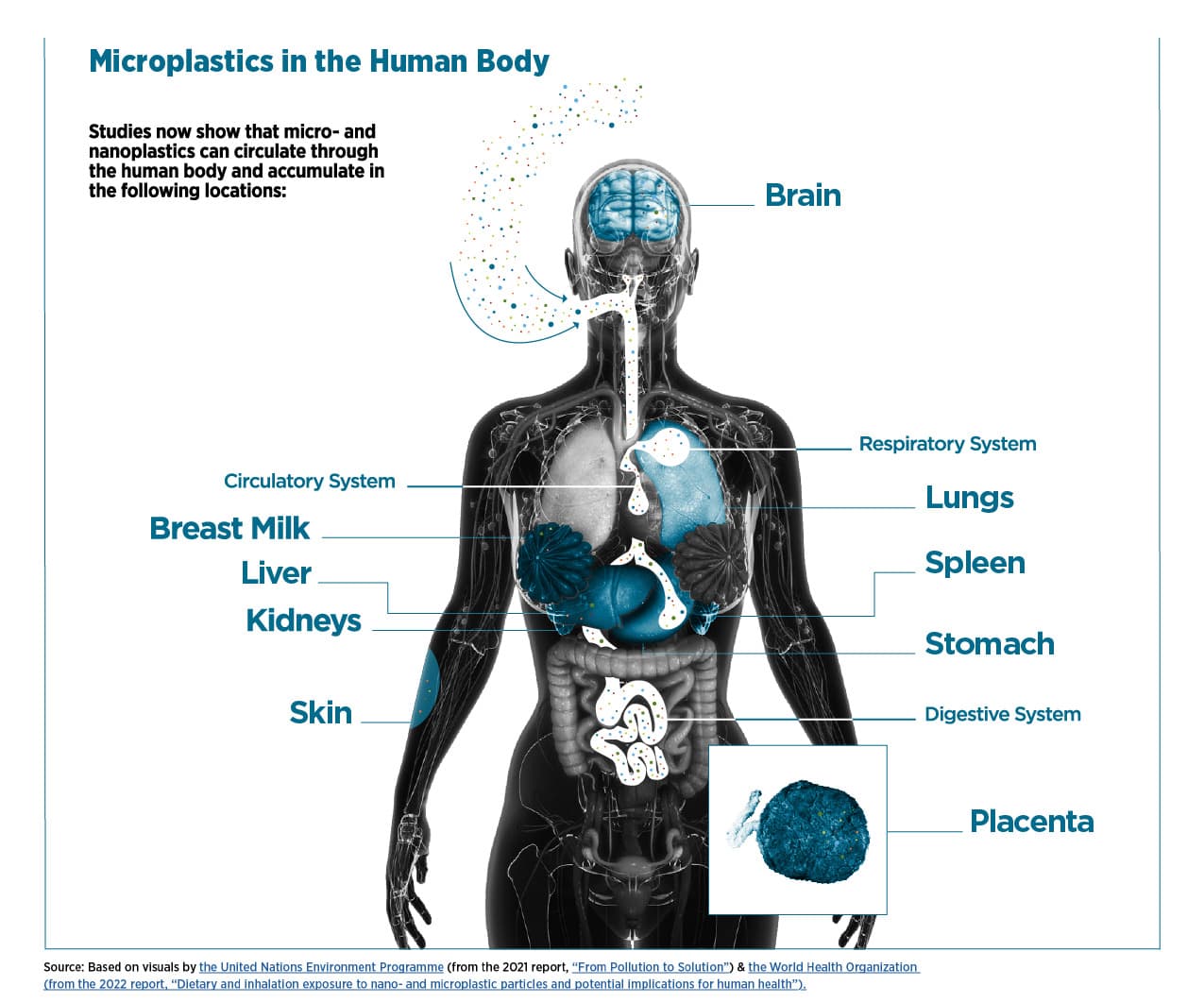
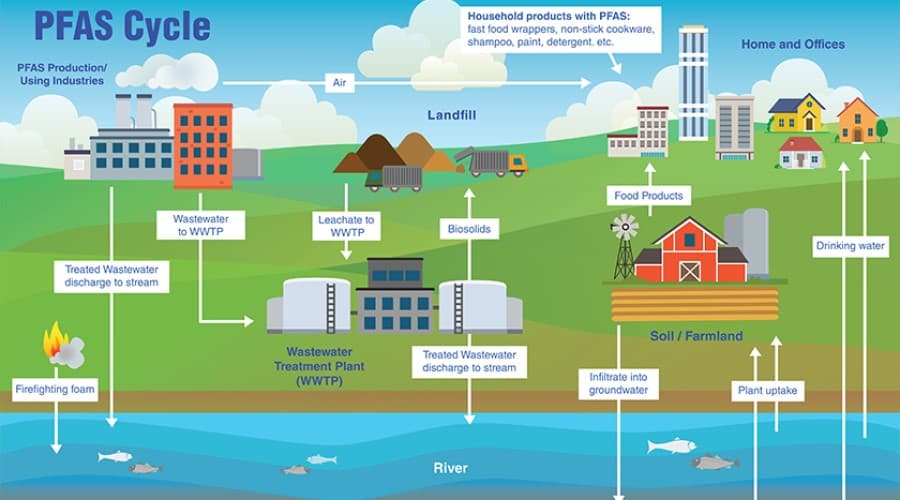
PFAS—per- and polyfluoroalkyl substances—are synthetic compounds prized for their water and grease-resistant properties. They show up in non-stick cookware, food packaging, firefighting foam, and industrial coatings. They're also remarkably persistent in the human body and environment. Once they contaminate water or soil, they don't break down. Once they enter a person's bloodstream, they stay there.
The initial claims came not from environmental activists or alarmed public health officials, but from the company's own employees and neighboring communities. Starting in the 1970s, residents near 3M manufacturing sites began reporting unusual clusters of health problems. Children in some areas developed rare illnesses. Workers spoke of contamination concerns. These weren't fringe accusations—they were documented through lawsuits and regulatory complaints. Yet 3M's official position was consistent: the company operated safely and responsibly.
The company's public statements emphasized that PFAS chemicals were essential to modern manufacturing and that exposure levels at their facilities were within acceptable limits. 3M pointed to regulatory compliance and internal safety measures. Internally, however, the story was starkly different.
When independent investigators and journalists obtained 3M's internal documents, they revealed a company that understood the scope of PFAS contamination far earlier and more completely than it had disclosed. The Washington Post investigation uncovered company studies showing that PFAS was accumulating in employee blood at levels well above the general population. Internal memos linked PFAS exposure to health effects including liver damage and immune system problems. Most critically, 3M's own data showed groundwater contamination near multiple manufacturing plants—contamination the company had identified but minimized in public statements.
Get the 5 biggest receipts every week, straight to your inbox — plus an exclusive PDF: The Top 10 Conspiracy Theories Proven True in 2025-2026. No spam. No agenda. Just the papers they couldn't hide.
You just read "3M Company Concealed PFAS Contamination at Manufacturing Sit…". We send ones like this every week.
No one's said anything yet. Be the first to drop your take.
The documents showed that by the 1970s, 3M researchers had identified PFAS in the blood of workers and in environmental samples near plants. Rather than broad disclosure or precautionary measures, the company appears to have compartmentalized the information. Some divisions conducted studies; others continued manufacturing without full awareness of the findings. The internal research languished while public assurances continued.
What makes this case significant isn't merely that a corporation prioritized profits over transparency—unfortunately, that pattern repeats throughout industrial history. What matters is the systematic nature of the concealment and the time scale involved. For roughly 50 years, 3M possessed knowledge about PFAS health and environmental risks while the public remained largely unaware.
The revelation matters because it undermines the notion that regulatory systems adequately protect us. 3M operated under government oversight and compliance frameworks. Yet those systems failed to prevent or expose the company's internal knowledge of contamination. Employees and nearby communities were exposed to chemicals that the company's own research suggested were harmful.
Today, PFAS contamination is recognized as one of the nation's most pressing environmental health crises, affecting drinking water supplies in hundreds of communities. The cost of remediation and health impacts continues mounting. Understanding how long 3M knew and what it chose not to reveal helps explain why this crisis grew so severe. It's a stark reminder that official assurances of safety are only as reliable as the transparency behind them.
Beat the odds
This had a 2.1% chance of leaking — someone talked anyway.
Conspirators
~200Network
Secret kept
27.1 years
Time to 95% exposure
500+ years