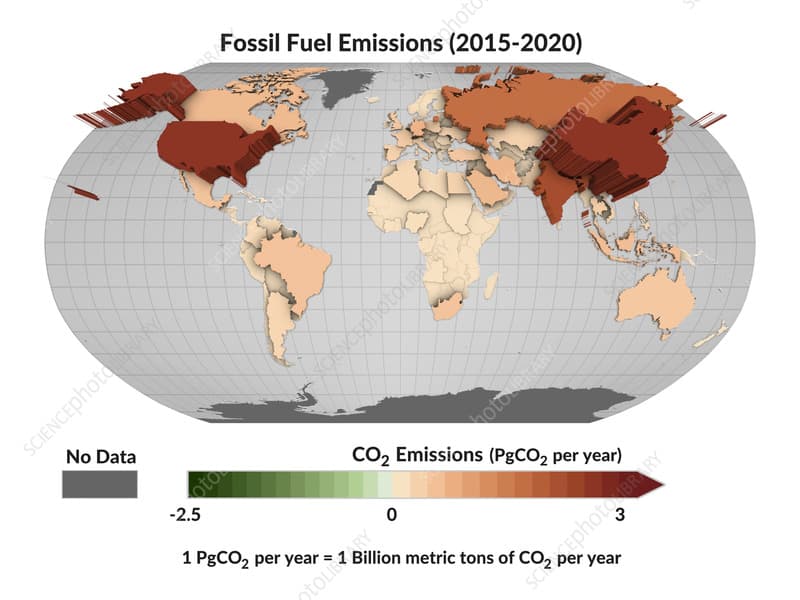
A peer-reviewed study in Environmental Research Letters calculated that emissions traced to the world's 88 largest gas, oil, coal, and cement producers caused more than half of ocean acidification since before the industrial era. The fossil fuel industry knew about climate risks since the mid-1960s but launched multi-million dollar disinformation campaigns. Ocean pH has dropped approximately 30% since pre-industrial times, threatening marine ecosystems and coral reefs worldwide.
“The same fossil fuel companies causing climate change are also destroying the oceans. Their emissions are making seawater more acidic, killing marine life. They've known for decades.”
From “crazy” to confirmed
The Claim Is Made
This is the moment they called it crazy.
The oceans are literally dissolving. Since the industrial revolution began, the pH of seawater has dropped by approximately 30 percent—a seemingly modest number that masks a catastrophic shift in chemistry threatening marine life from coral reefs to shellfish beds. Now we know who bears primary responsibility for this invisible crisis, and the answer points directly at the world's largest fossil fuel producers.
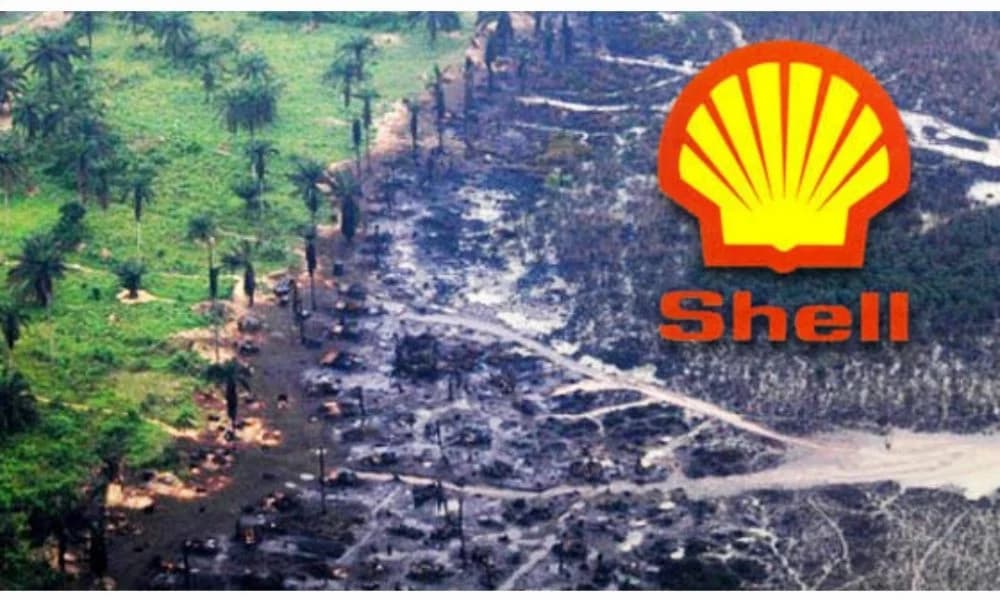
A peer-reviewed study published in Environmental Research Letters calculated that emissions traced to just 88 of the world's largest gas, oil, coal, and cement companies are responsible for more than half of all ocean acidification since pre-industrial times. These 88 corporations—a fraction of the industry—created the conditions for a chemical transformation that took millennia to occur naturally, compressed into barely two centuries.
When researchers first began connecting corporate emissions to ocean acidification, the industry's response followed a familiar playbook. Fossil fuel companies and their allies questioned the science, demanded more studies, and suggested the problem was overstated. They funded think tanks that cast doubt on the acidification research itself, creating just enough confusion in the public mind to delay meaningful action. This strategy wasn't new—it was refined over decades of experience.
What made this claim difficult to dismiss, however, was the underlying research methodology. Scientists didn't rely on corporate self-reporting or estimates. They traced specific emissions from particular companies through atmospheric records, calculating their contribution to carbon dioxide accumulation and the resulting chemical reactions in seawater. The data was granular and verifiable. When carbon dioxide dissolves in ocean water, it forms carbonic acid—basic chemistry that cannot be argued away.
The Smithsonian Institution's documentation of ocean acidification confirmed the phenomenon's reality and scope. Coral bleaching events, shell dissolution in pteropods, and disrupted larval development in commercial fish species all track directly to declining ocean pH. These weren't theoretical harms—they were observable, measurable impacts on ecosystems and food chains that humans depend upon.
Get the 5 biggest receipts every week, straight to your inbox — plus an exclusive PDF: The Top 10 Conspiracy Theories Proven True in 2025-2026. No spam. No agenda. Just the papers they couldn't hide.
You just read "Emissions from the 88 largest fossil fuel companies are resp…". We send ones like this every week.
No one's said anything yet. Be the first to drop your take.
Confirmed: They Were Right
The truth comes out. Officially documented.
Confirmed: They Were Right
The truth comes out. Officially documented.
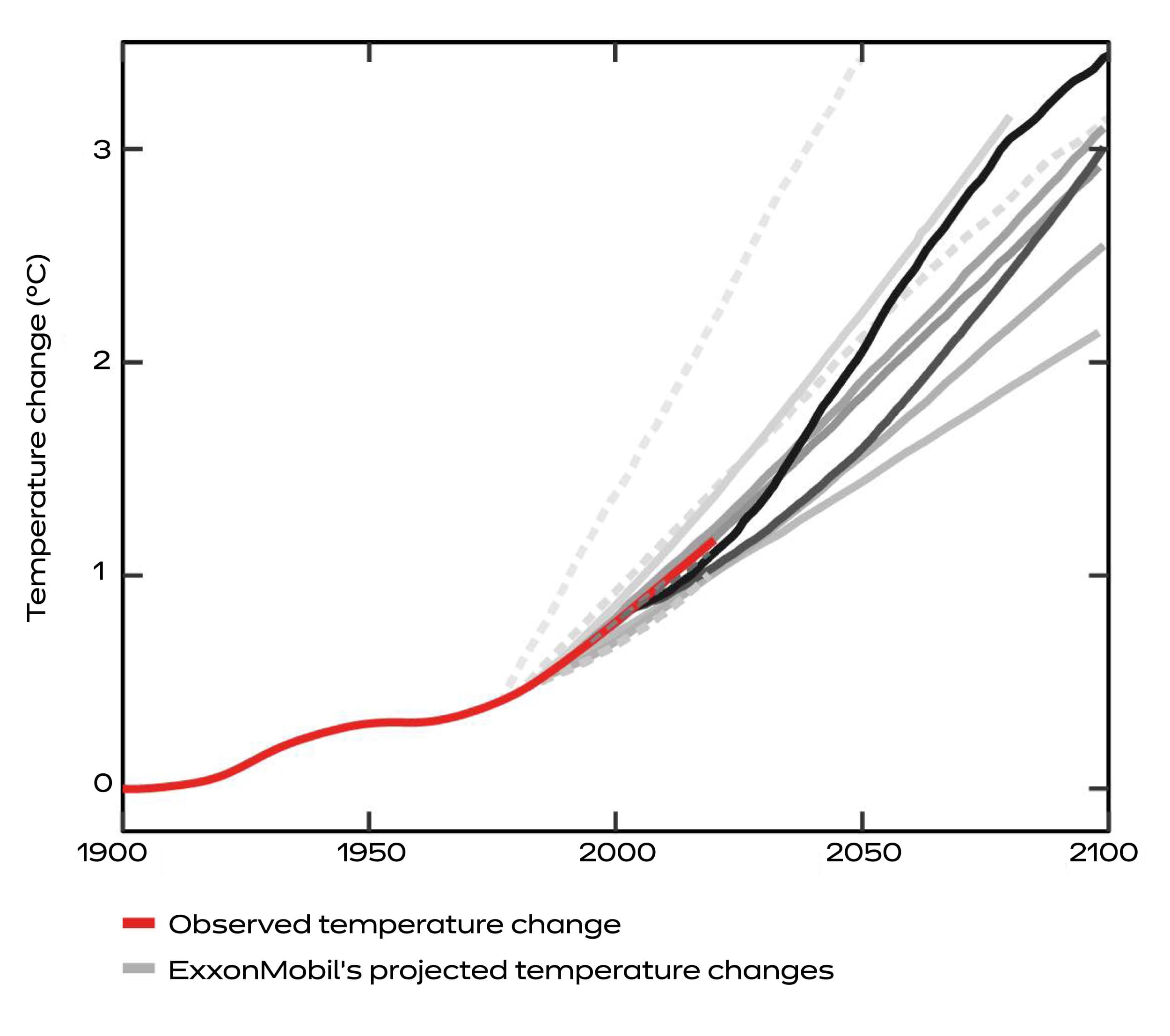
What deepened the significance of this claim was an additional, damning revelation: the fossil fuel industry knew about these climate risks as far back as the mid-1960s. Internal research conducted by major oil companies identified the connection between burning fossil fuels and atmospheric carbon accumulation. Rather than act on this knowledge, these companies launched multi-million dollar disinformation campaigns designed to obscure the very science their own researchers had validated.
The verification of this claim matters because it reframes how we understand environmental destruction. Ocean acidification isn't an abstract future problem or a consequence of collective human activity spread evenly across society. It's the direct result of decisions made by a small number of corporations that knew the consequences and chose to hide them. That distinction transforms the conversation from one about shared responsibility to one about documented corporate harm.
For public trust, the implications are stark. When institutions claim ignorance or uncertainty about climate impacts, we now have documented proof that major actors possessed that knowledge decades ago. Every year of delayed climate action becomes harder to excuse. The acidifying oceans stand as physical evidence of what happens when powerful entities prioritize profit over truth—evidence that cannot be dissolved away.
Beat the odds
This had a 0.5% chance of leaking — someone talked anyway.
Conspirators
~200Network
Secret kept
6.4 years
Time to 95% exposure
500+ years