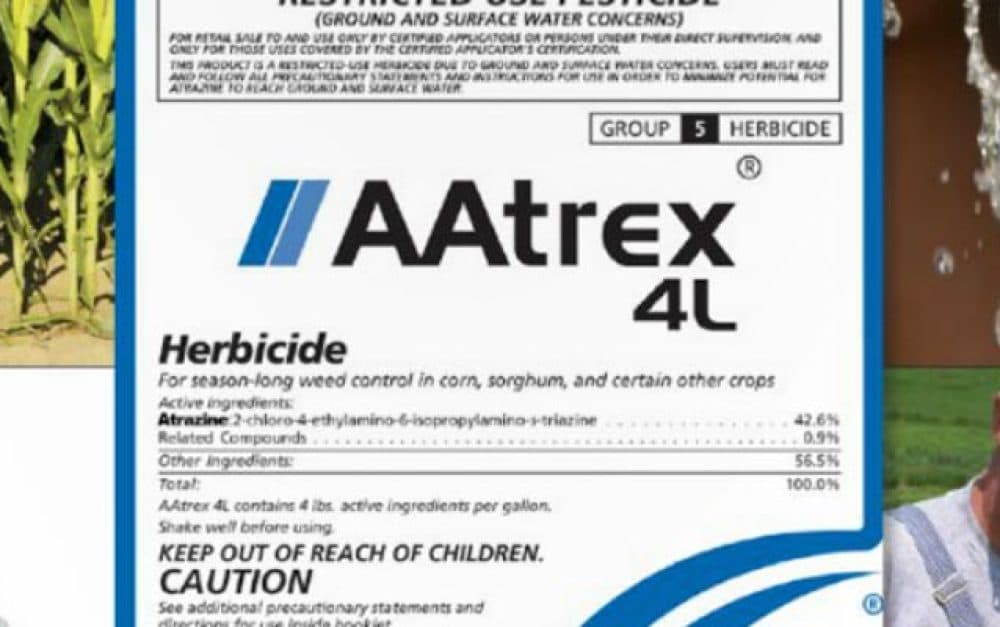
UC Berkeley professor Tyrone Hayes discovered that atrazine — used on more than half of US corn crops — caused male frogs to develop ovaries and even become functional females. Syngenta launched a multi-year campaign to discredit him. Internal documents from 2005 (released in a 2014 lawsuit) revealed Syngenta conspired to get journals to retract his work, investigated his funding and private life, filed ethics complaints with Berkeley, sent representatives to monitor his talks, and released 100+ pages of his personal emails.
“Atrazine is chemically castrating frogs at levels found in drinking water. The manufacturer Syngenta is trying to destroy my career because I published the truth about their product.”
From “crazy” to confirmed
The Claim Is Made
This is the moment they called it crazy.
When UC Berkeley professor Tyrone Hayes published his research in 2010, he wasn't making wild accusations. He was reporting straightforward observations: the herbicide atrazine, sprayed on more than half of America's corn crops, was chemically castrating male frogs. His experiments showed the pesticide disrupted their endocrine systems so severely that some developed ovaries and became functional females capable of producing eggs.
The chemical was manufactured by Syngenta, a Swiss agrochemical giant with billions in annual revenue. The company's response wasn't to fund independent verification or demand replication studies. Internal documents released during a 2014 lawsuit revealed something far more troubling: Syngenta had orchestrated a systematic 15-year campaign to destroy Hayes's credibility.
The strategy was comprehensive. Syngenta executives coordinated with industry consultants to get scientific journals to retract Hayes's published work. They investigated his personal finances, his funding sources, and his private life. Company representatives showed up to monitor his academic presentations. They filed ethics complaints with UC Berkeley's administration. They obtained over 100 pages of his personal emails.
None of this happened through normal scientific channels. This wasn't peer review or scholarly debate. This was a corporation using its resources to silence a scientist whose findings threatened its profitable product.
Hayes's original claim rested on solid methodology. He exposed tadpoles to atrazine at levels found in American water supplies and documented the biological changes that resulted. Multiple subsequent studies confirmed his core findings. The herbicide does interfere with sexual development in amphibians—a fact that mattered because frogs are biological indicators of environmental health.
What made the Syngenta campaign so revealing was its desperation. If Hayes's science had been weak, the company could have simply published counter-studies. Instead, they hired PR firms, weaponized their corporate relationships, and pursued character assassination.
Get the 5 biggest receipts every week, straight to your inbox — plus an exclusive PDF: The Top 10 Conspiracy Theories Proven True in 2025-2026. No spam. No agenda. Just the papers they couldn't hide.
You just read "Pesticide atrazine turned male frogs into functional females…". We send ones like this every week.
No one's said anything yet. Be the first to drop your take.
Confirmed: They Were Right
The truth comes out. Officially documented.
Confirmed: They Were Right
The truth comes out. Officially documented.
The EPA had registered atrazine in 1994 and continued to do so every 15 years based on industry-supplied safety data. Hayes's research suggested those reassurances might be incomplete. When faced with inconvenient evidence, rather than engage scientifically, the manufacturer chose intimidation.
This case matters for several reasons. It demonstrates how corporate interests can leverage their resources to undermine scientific integrity. It shows that regulatory agencies sometimes rely too heavily on manufacturer-funded studies. It reveals that even tenure-track professors at prestigious universities can be targeted when their findings prove economically inconvenient.
The broader question is about trust. How many other researchers have been discouraged from studying pesticides, pharmaceuticals, or industrial chemicals because they witnessed what happened to Hayes? How many potentially important findings never reach publication because scientists fear corporate retaliation? How many regulatory decisions rest on data that was never seriously challenged because critics were systematically discredited?
The verification of Hayes's atrazine claim vindicated his science. But it also vindicated his attackers in a perverse way—their campaign succeeded in delaying the regulatory response to his findings. Atrazine remains in use today. The frogs still develop the way Hayes described. The only thing his persecution changed was the timeline: it took longer for his observations to move from "controversial" to "confirmed."
That delay is the real cost of corporate interference in science.
Beat the odds
This had a 0.9% chance of leaking — someone talked anyway.
Conspirators
~200Network
Secret kept
11.8 years
Time to 95% exposure
500+ years