Between 1997 and 2018, the Koch brothers gave over $145 million to climate-change-denying think tanks and advocacy groups including the Heartland Institute, Americans for Prosperity, and the Cato Institute. A Drexel University study found the majority of climate denial funding was 'dark money' using organizations with 'ambiguous names' to 'obscure the true agenda.' Koch Industries was the number one producer of toxic waste in the US by 2012 and paid a $35 million penalty for 300 oil spills. When Koch-funded academics accepted climate science, the brothers dropped them.
“The Koch brothers have created a massive disinformation network to block climate action. They fund fake think tanks with misleading names to manufacture doubt about science that threatens their fossil fuel empire.”
From “crazy” to confirmed
The Claim Is Made
This is the moment they called it crazy.
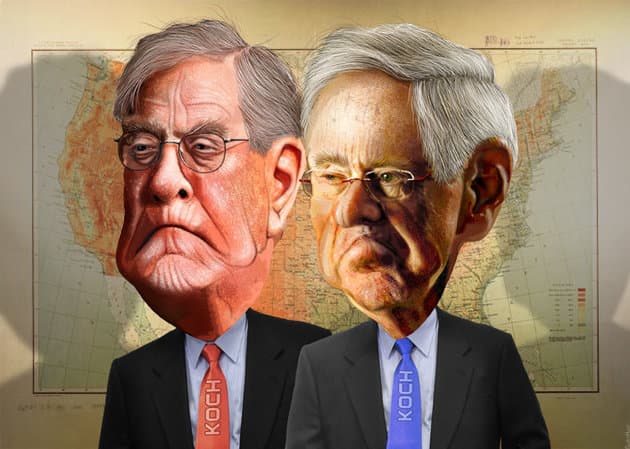
For nearly two decades, some of the most powerful industrialists in America systematically bankrolled organizations that told the public climate change wasn't real. The Koch brothers—Charles and David Koch, whose industrial empire generated massive profits from fossil fuels and petrochemicals—funneled at least $145 million between 1997 and 2018 into a coordinated network of think tanks, advocacy groups, and academic institutions dedicated to undermining climate science.
At the time, the Kochs and their network maintained they were simply funding legitimate policy research. When critics pointed to the obvious conflict of interest—that the Kochs' own industrial operations depended on fossil fuel consumption—defenders argued there was genuine scientific debate about climate change. They insisted these organizations represented honest intellectual inquiry, not propaganda. The general public heard little about where the money actually came from, which was precisely the point.
What remained hidden for years was the deliberate architecture of concealment behind this funding. A comprehensive 2013 study by researchers at Drexel University analyzed two decades of climate denial funding and discovered something striking: the vast majority moved through what researchers called "dark money" channels. Organizations with intentionally vague names—groups that didn't clearly identify their funders or their purpose—received the lion's share of support. This wasn't accidental. The researchers found evidence of a deliberate strategy to obscure the true agenda and origin of the funding.
The money flowed to recognizable organizations like the Heartland Institute, Americans for Prosperity, and the Cato Institute. These groups produced studies, opinion pieces, and policy recommendations that cast doubt on the scientific consensus about human-caused climate change. They funded academic researchers who published contrarian views. Some of this work was legitimate intellectual disagreement. But internal documents later revealed that when Koch-funded scientists actually accepted the scientific consensus on climate change, they were dropped from funding. This wasn't philosophy—it was conditional support based on reaching predetermined conclusions.
Get the 5 biggest receipts every week, straight to your inbox — plus an exclusive PDF: The Top 10 Conspiracy Theories Proven True in 2025-2026. No spam. No agenda. Just the papers they couldn't hide.
You just read "Koch brothers poured $145+ million into climate denial group…". We send ones like this every week.
No one's said anything yet. Be the first to drop your take.
Confirmed: They Were Right
The truth comes out. Officially documented.
Confirmed: They Were Right
The truth comes out. Officially documented.
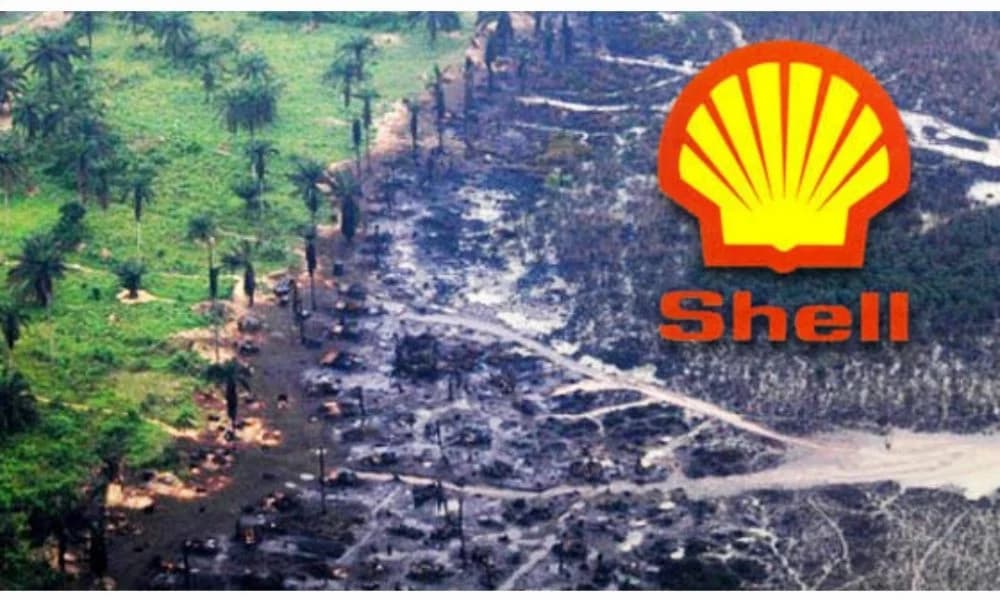
The irony cuts deeper when you examine what the Kochs' own industries were actually doing. Koch Industries became the number one producer of toxic waste in the United States by 2012. The company paid a $35 million penalty for more than 300 oil spills. These weren't abstract policy disagreements; the Kochs were funding doubt about climate change while their own operations poisoned the environment at an industrial scale.
The documented reality of this funding network matters because it reveals how public understanding of science gets manipulated at scale. The climate denial funding didn't succeed because it had better arguments—peer-reviewed climate science remained overwhelmingly consistent. It succeeded because it created confusion and legitimate-sounding opposition in public discourse. When money of this magnitude flows through deliberately obscured channels, it warps the marketplace of ideas in ways that ordinary citizens never see.
This case demonstrates why tracking "dark money" isn't abstract civics—it's about understanding whose interests are being prioritized when major policy questions get decided. The public was essentially being asked to trust the Kochs' sincerity in funding climate research while they fought to protect the very industries making them wealthy. That contradiction matters less when nobody knows the money is there.
Beat the odds
This had a 0.3% chance of leaking — someone talked anyway.
Conspirators
~200Network
Secret kept
3.8 years
Time to 95% exposure
500+ years