3M knew PFAS chemicals accumulated in blood and caused health problems since 1970s but continued production. Company studies showed environmental contamination while claiming safety.
“PFAS chemicals are safe at current exposure levels and do not bioaccumulate harmfully”
From “crazy” to confirmed
The Claim Is Made
This is the moment they called it crazy.
For decades, 3M Company maintained that its PFAS chemicals were safe. Internal documents now suggest the company knew otherwise—and kept that knowledge to itself while these "forever chemicals" seeped into drinking water supplies across America.
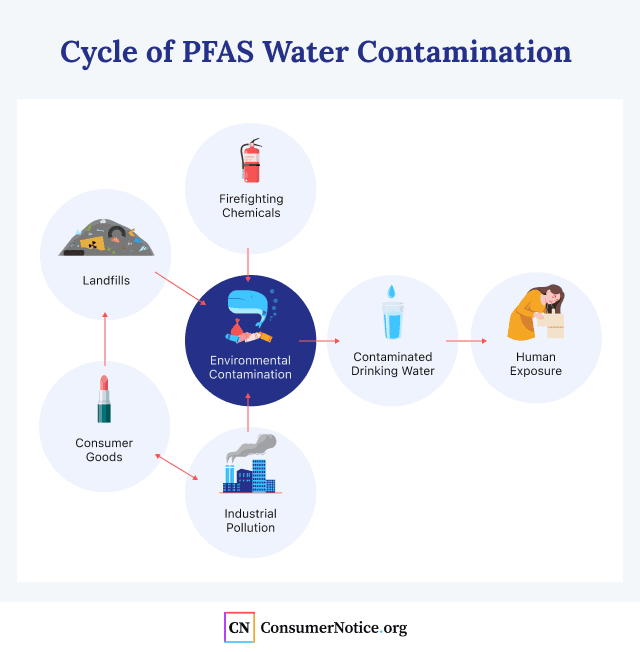
PFAS, short for per- and polyfluoroalkyl substances, are synthetic compounds used in thousands of products from non-stick cookware to water-resistant clothing. What made them useful also made them dangerous: they don't break down in the environment or in the human body. Once inside you, they stay.
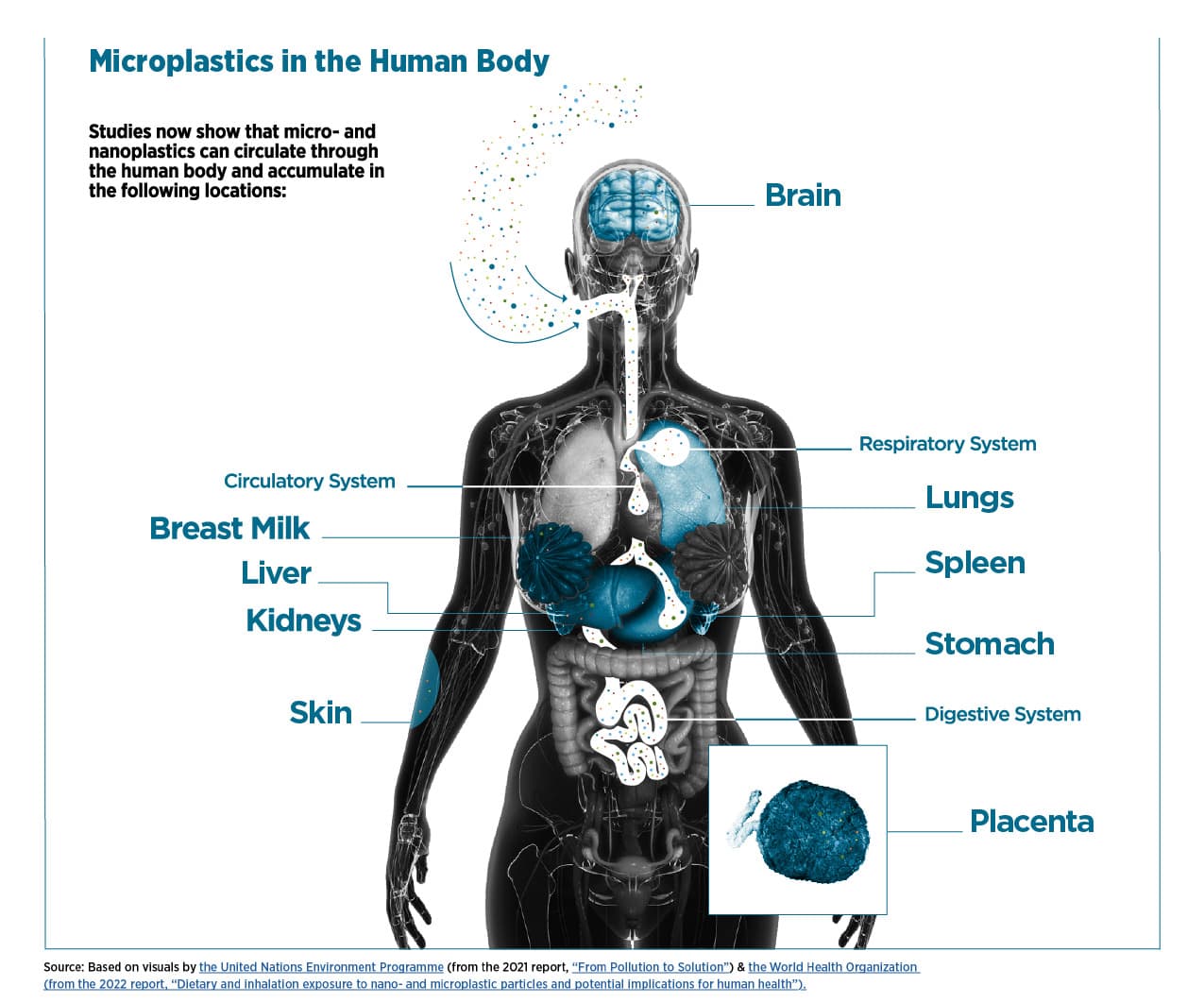
According to Minnesota lawsuit documents obtained by The Guardian, 3M's own scientists discovered that PFAS accumulated in human blood as early as the 1970s. The company conducted internal studies showing environmental contamination around its production facilities. Yet publicly, 3M continued to assure regulators, customers, and the general public that their products posed no health risk.
When critics first raised concerns about PFAS contamination in the 1990s and 2000s, 3M dismissed the warnings. The company argued there was insufficient evidence linking PFAS to disease. Regulators largely accepted this position. After all, 3M was a trusted Fortune 500 corporation with decades of consumer goodwill. The burden of proof seemed to rest entirely on the shoulders of concerned citizens and underfunded researchers.
What changed the equation was discovery. Lawyers pursuing litigation against 3M obtained internal documents revealing the company's long timeline of knowledge. These materials showed that 3M scientists had identified in employee blood samples, surface water, and groundwater near company facilities. The research predated public awareness of PFAS contamination by years, sometimes decades.
Get the 5 biggest receipts every week, straight to your inbox — plus an exclusive PDF: The Top 10 Conspiracy Theories Proven True in 2025-2026. No spam. No agenda. Just the papers they couldn't hide.
You just read "3M Company Hid PFAS Contamination Knowledge from Public for …". We send ones like this every week.
No one's said anything yet. Be the first to drop your take.
The documents painted a picture of institutional knowledge compartmentalization. While researchers understood the risks, marketing and legal departments continued public denials. This wasn't a case of uncertain science or evolving understanding. It was a deliberate separation between what the company knew internally and what it claimed externally.
The health consequences have been significant. PFAS contamination has been linked to kidney cancer, testicular cancer, thyroid disease, and compromised immune function. Entire communities—particularly those downstream or downwind from 3M facilities—have been exposed through contaminated water supplies. Some residents have carried PFAS in their blood at levels thousands of times higher than the national average.
3M eventually faced legal consequences. In 2023, the company agreed to pay $850 million to settle claims in Minnesota, though it admitted no wrongdoing. Additional litigation remains ongoing across multiple states.
This case matters beyond 3M's specific actions. It reveals how corporate knowledge can remain hidden while public policy proceeds in ignorance. Regulators make decisions based on available information, but when corporations withhold critical data, the entire system fails. Citizens cannot protect themselves from risks they don't know exist.
The PFAS story also illustrates why document discovery in litigation sometimes accomplishes what regulatory agencies cannot. It took lawyers, not scientists or government officials, to expose what 3M knew all along. The question lingering now is how many other corporate secrets remain undiscovered, how many other chemicals are being quietly studied in laboratories while assurances are offered to the public.
Trust, once broken this way, doesn't easily mend.
Beat the odds
This had a 3.8% chance of leaking — someone talked anyway.
Conspirators
~200Network
Secret kept
48 years
Time to 95% exposure
500+ years