A 3M material safety data sheet from 1997, sent only to DuPont, warned that PFOA can cause cancer based on their joint studies. Rather than alert the public, 3M and DuPont suppressed this knowledge. In 1978, a 3M toxicologist warned about PFAS being in the general population. 3M settled for $10.3-12.5 billion in 2023 after evidence showed they used 'tactics of the tobacco industry' to delay public awareness.
“3M knew since the 1970s that PFAS were toxic and in everyone's blood. They had internal cancer warnings they never shared with the public. They used tobacco industry playbook tactics.”
From “crazy” to confirmed
The Claim Is Made
This is the moment they called it crazy.
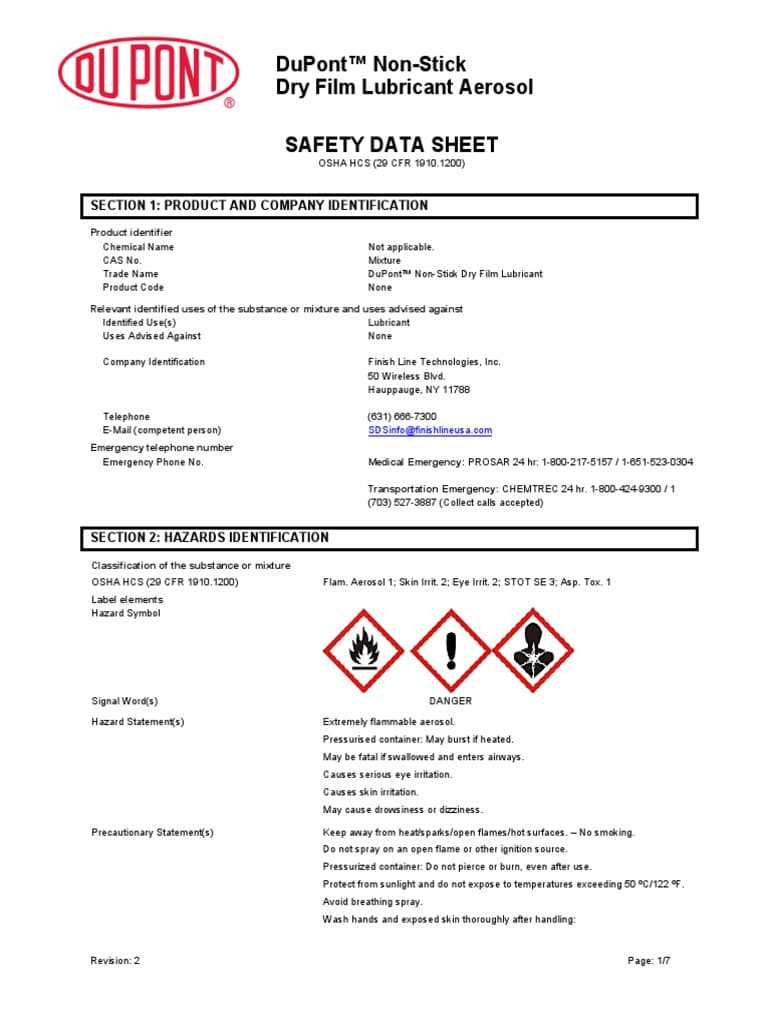
In 1997, 3M produced an internal safety document that contained a stark warning: PFOA, a chemical used in countless consumer products, could cause cancer. That document never reached the general public. Instead, it traveled in a single direction—to DuPont, 3M's business partner—and stayed there, buried in corporate files while consumers unknowingly exposed themselves to the chemical for decades.
This is not speculation or hindsight. This is what the evidence shows happened.
PFOA, short for perfluorooctanoic acid, became a ubiquitous industrial chemical throughout the late 20th century. It repelled water and grease, making it ideal for non-stick cookware, food packaging, and water-resistant textiles. If you owned a Teflon pan or wore Gore-Tex in the 1990s, PFOA was part of your life. 3M and DuPont both profited handsomely from it.
But internally, the companies knew something was wrong. As early as 1978, a 3M toxicologist had already warned that PFAS—the broader chemical family that includes PFOA—were circulating in the general population. A decade later, when joint research between 3M and DuPont produced the 1997 safety sheet warning of cancer risk, the companies chose a different path than transparency. They contained the information, sharing it only with each other, not with regulators or the public.
For years, the official story was different. Both companies maintained that PFOA was safe. When concerns were raised, they downplayed them. When evidence mounted, they delayed. This pattern persisted well into the 2000s, even as PFOA accumulated in human blood samples and appeared in drinking water supplies across America.
Get the 5 biggest receipts every week, straight to your inbox — plus an exclusive PDF: The Top 10 Conspiracy Theories Proven True in 2025-2026. No spam. No agenda. Just the papers they couldn't hide.
You just read "3M's 1997 safety sheet warned PFOA 'can cause cancer' — sent…". We send ones like this every week.
No one's said anything yet. Be the first to drop your take.
Confirmed: They Were Right
The truth comes out. Officially documented.
Confirmed: They Were Right
The truth comes out. Officially documented.
The turning point came through investigative journalism and litigation. ProPublica's investigation, examining the companies' internal communications and strategies, revealed that 3M and DuPont had used what researchers called "tactics of the tobacco industry"—employing doubt, delay, and deflection to prevent public awareness of known risks. The companies had consciously chosen profits over public health.
In 2023, after decades of legal battles and mounting evidence, 3M agreed to settle for between $10.3 and $12.5 billion. The settlement acknowledged what the 1997 safety sheet had already stated: the chemical was harmful. But by then, PFOA had contaminated drinking water in numerous communities. Millions of people had absorbed the chemical into their bodies. Some had already developed health conditions linked to PFOA exposure.
What makes this case significant is not that companies sometimes prioritize profit—that is, regrettably, expected. What matters is the mechanism: the deliberate suppression of a safety document that could have changed public behavior and policy decades earlier. This was not a case of unknown risks or genuine scientific debate. 3M knew what their own research showed. They chose silence.
This documented case raises uncomfortable questions about corporate accountability and regulatory oversight. If a major multinational can suppress safety information for 25 years, what other warnings exist in corporate files today, unseen by the public? What chemicals circulating in our water and products are subjects of internal memos we'll never access until it's too late?
The 1997 safety sheet exists now in the public record, evidence of what was known and when. It serves as a reminder that trust in institutions must be earned through transparency, and that the public's right to know about risks to their health should never depend on a company's profit calculations.
Beat the odds
This had a 1.7% chance of leaking — someone talked anyway.
Conspirators
~200Network
Secret kept
21.1 years
Time to 95% exposure
500+ years