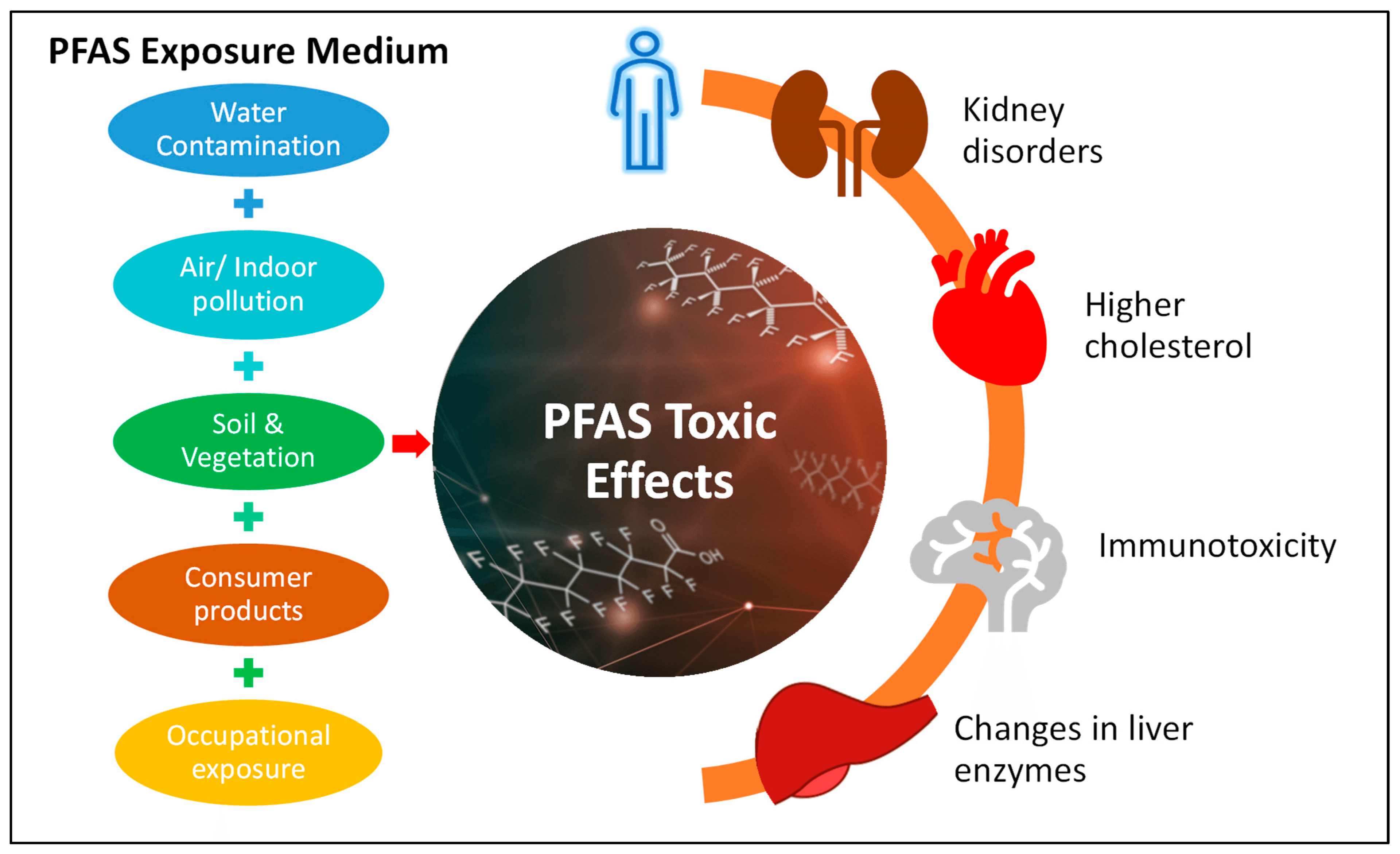
Internal 3M documents from 1970s-1990s revealed company scientists found PFAS chemicals accumulated in human blood and caused liver damage, but 3M continued marketing them as safe for decades.
“Our fluorochemical products have been extensively tested and show no adverse health effects under normal use conditions”
From “crazy” to confirmed
The Claim Is Made
This is the moment they called it crazy.
For decades, 3M Company assured consumers and regulators that PFAS chemicals—used in thousands of products from nonstick cookware to water-resistant fabrics—were safe. The company's scientists publicly testified before Congress that these "forever chemicals" posed minimal health risks. Internal documents tell a starkly different story.
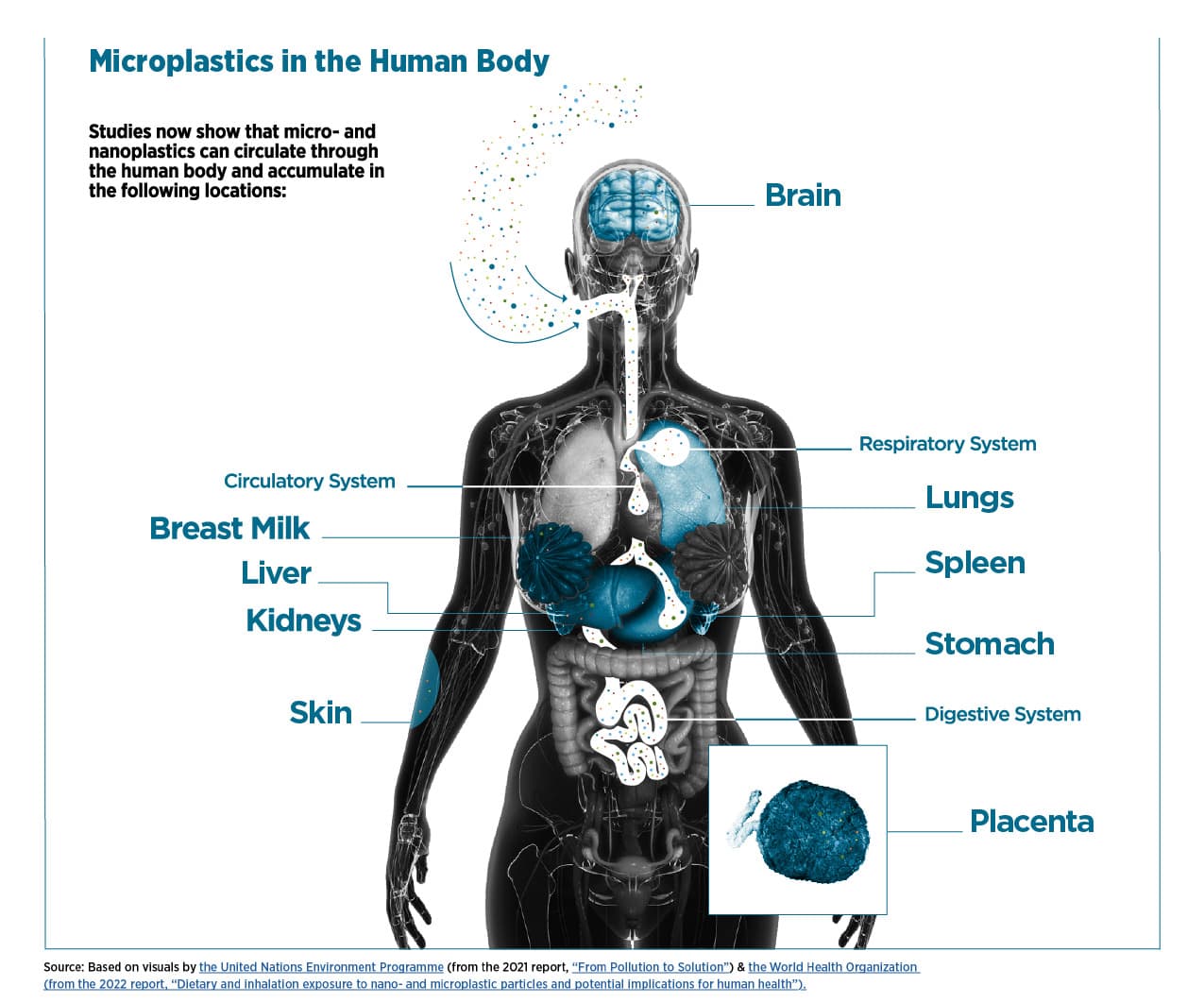
Beginning in the 1970s, 3M's own research teams discovered that PFAS chemicals accumulated in human blood at concerning levels and caused liver damage in laboratory studies. Rather than sound a public alarm, the company continued marketing products containing these chemicals as safe for household use. For more than two decades, 3M possessed evidence of serious health risks while the chemicals proliferated across the consumer market unchecked.
When researchers and journalists first raised questions about PFAS safety in the 1990s and early 2000s, 3M dismissed the concerns. Company spokespeople claimed that the chemicals were inert and harmless, that they didn't bioaccumulate in the human body, and that their products posed no environmental or health threat. The company's public position remained consistent: this was settled science, and there was nothing to worry about.
The company's internal documents, later obtained through litigation and regulatory investigations, revealed the gap between what 3M knew and what it said publicly. Laboratory notebooks from the 1970s showed that company scientists had documented PFAS accumulation in blood samples. Subsequent research throughout the 1980s and 1990s documented liver toxicity and other health effects in animal studies. Yet this information remained locked away in corporate files while 3M continued manufacturing and selling PFAS-containing products to millions of unsuspecting consumers and businesses.
Get the 5 biggest receipts every week, straight to your inbox — plus an exclusive PDF: The Top 10 Conspiracy Theories Proven True in 2025-2026. No spam. No agenda. Just the papers they couldn't hide.
You just read "3M Suppressed PFAS Health Studies While Marketing Products a…". We send ones like this every week.
No one's said anything yet. Be the first to drop your take.
The evidence proved particularly damaging because it wasn't ambiguous or subject to interpretation. These were contemporaneous notes from 3M scientists documenting their findings in real time. The company couldn't claim misunderstanding or evolving science—they had conducted the science themselves and chosen to minimize it.
By the 2000s, independent researchers began discovering what 3M had known for thirty years: PFAS chemicals were everywhere. They contaminated drinking water supplies across America. They accumulated in human blood at measurable levels. They persisted indefinitely in the environment, earning the nickname "forever chemicals." Health studies linked PFAS exposure to kidney cancer, thyroid disease, and developmental problems. The scope of contamination suggested that millions of Americans had been exposed.
3M eventually settled lawsuits and regulatory actions, paying billions in damages. The company agreed to phase out PFAS production. But by then, the chemicals had already infiltrated water systems, soil, and human bodies nationwide. The damage was done.
This case matters because it illustrates how corporate knowledge doesn't automatically become public knowledge. A company can possess clear evidence of harm while maintaining a public façade of safety. Scientists can do rigorous research that never reaches the people most affected by it. The gap between what's known inside a corporation and what's communicated outside represents a fundamental failure of the systems meant to protect public health.
The PFAS story reminds us that trust in institutions isn't automatic—it must be earned through transparency and verified through independent scrutiny. When companies control the narrative around their own products, the public inevitably loses.
Beat the odds
This had a 2.1% chance of leaking — someone talked anyway.
Conspirators
~200Network
Secret kept
26 years
Time to 95% exposure
500+ years