For decades, concerns about fluoride's neurological effects were dismissed as conspiracy theory. In 2024, the NTP published findings showing IQ decreases as fluoride exposure increases, particularly above 1.5 mg/L. A federal judge ruled fluoride in water poses an 'unreasonable risk' and ordered the EPA to address it. The controversy remains active — the NTP study has critics, but the fact that government scientists found any IQ association validated what was long dismissed.
“Fluoride in drinking water is lowering children's IQ. The government's own researchers have found evidence, but public health officials won't admit decades of fluoridation policy may have been harmful.”
From “crazy” to confirmed
The Claim Is Made
This is the moment they called it crazy.
Confirmed: They Were Right
The truth comes out. Officially documented.
Confirmed: They Were Right
The truth comes out. Officially documented.
For nearly seventy years, water fluoridation was presented as one of public health's greatest victories—a simple, cost-effective way to prevent tooth decay in entire populations. Anyone who questioned whether adding a chemical to drinking water supplies might have effects beyond dental health was typically dismissed as paranoid, anti-science, or worse.
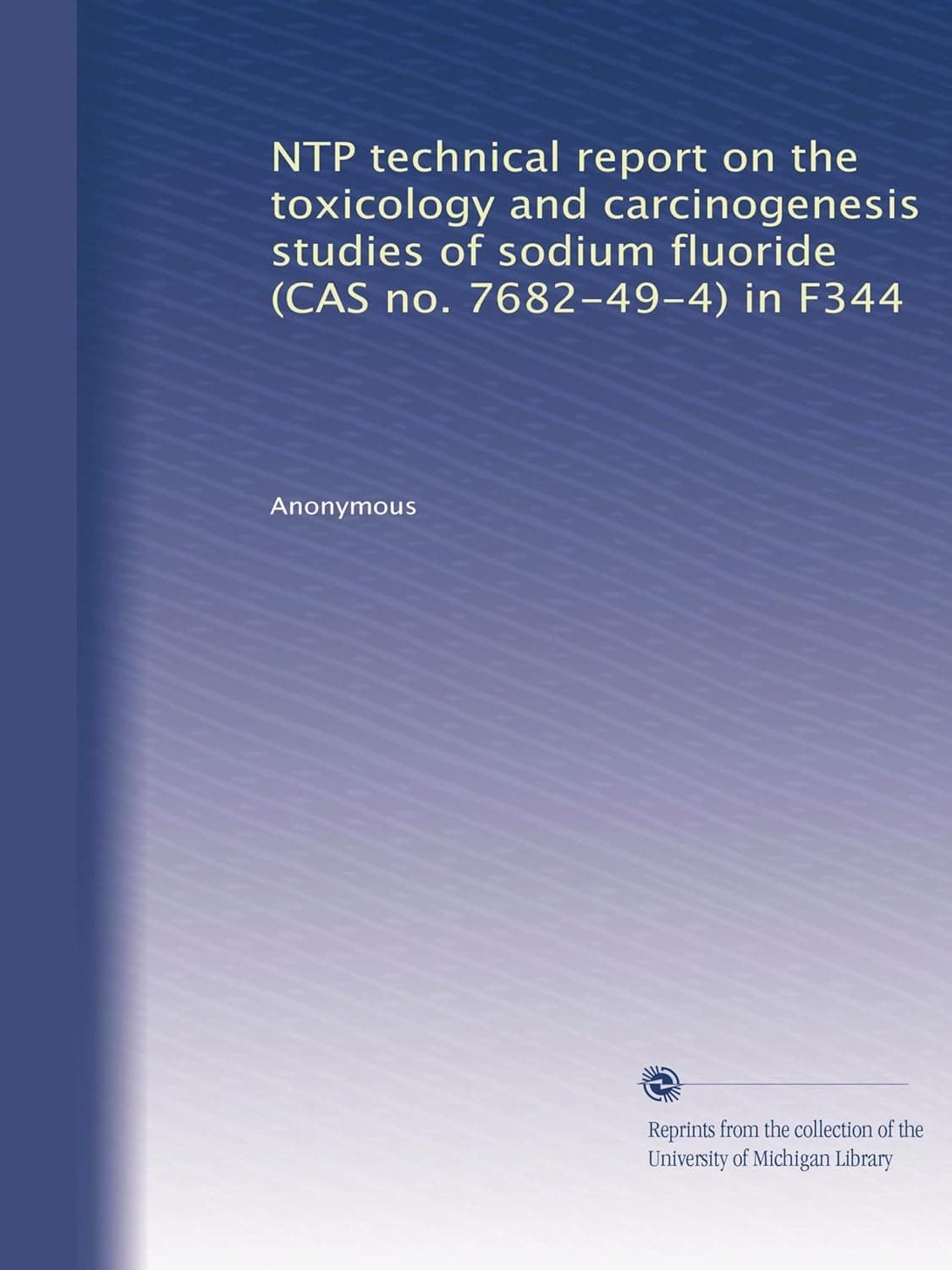
That dismissal became harder to justify in 2024, when the National Toxicology Program released findings that fluoride exposure was associated with decreased IQ in children. More striking still, a federal judge ruled that fluoride in drinking water poses an "unreasonable risk" to public health and ordered the EPA to take regulatory action. The judge's decision validated a concern that health authorities had spent decades marginalizing.
The roots of this skepticism go back further than most people realize. Throughout the 1980s and 1990s, researchers and concerned citizens raised questions about fluoride's neurological effects, particularly in regions where natural fluoride levels were elevated. These voices were systematically excluded from mainstream discussion. The scientific establishment treated the question as settled, pointing to fluoridation's documented benefits for tooth enamel while treating any concern about systemic effects as fringe thinking. Public health agencies and the dental industry reinforced this narrative consistently.
What changed was methodological rigor and scale. The NTP's 2024 monograph reviewed decades of research and found a consistent pattern: as fluoride exposure increased, particularly above 1.5 mg/L, IQ scores in children showed corresponding decreases. This wasn't a single study or an outlier finding. It was a systematic analysis of the available evidence, conducted by federal scientists using established protocols. The association wasn't being disputed by the time of publication—it was being debated in terms of magnitude and real-world relevance.
The federal judge's subsequent ruling adds a procedural dimension that matters legally and culturally. Courts don't typically overturn regulatory agencies unless evidence is substantial. The judge's determination that fluoride poses an "unreasonable risk" suggests the evidence crossed a threshold that bureaucratic inertia and institutional investment could no longer contain.
This doesn't mean the controversy is resolved. Critics of the NTP findings point to differences between controlled studies and real-world exposure scenarios. They note that most Americans don't drink water with fluoride levels approaching the thresholds where effects appeared most pronounced. Some argue that preventing cavities remains a net public health benefit even if neurological effects exist at high exposures. These are legitimate positions worth serious consideration.
But legitimate debate is not what happened for decades. What happened was dismissal. People asking reasonable questions about the long-term effects of adding chemicals to public water supplies were treated as conspiracy theorists rather than engaged as citizens with reasonable concerns about their families' health.
The broader significance here cuts to institutional trust. When official channels systematically exclude inconvenient questions rather than address them, they don't make those questions disappear—they drive them underground. They teach people that skepticism of authority is justified. And when evidence eventually emerges supporting the suppressed concern, it doesn't restore faith in institutions. It confirms the suspicion that something was being protected besides science.
The fluoride question is now in the open. The NTP has published data. A judge has ruled. What remains is honest conversation about risk thresholds and policy trade-offs. That should have been possible decades ago.
Get the 5 biggest receipts every week, straight to your inbox — plus an exclusive PDF: The Top 10 Conspiracy Theories Proven True in 2025-2026. No spam. No agenda. Just the papers they couldn't hide.
You just read "NTP study found fluoride exposure linked to lower IQ in chil…". We send ones like this every week.
No one's said anything yet. Be the first to drop your take.