After the 2010 Deepwater Horizon disaster, BP applied 1.84 million gallons of Corexit dispersant. A peer-reviewed study found crude oil becomes 52 times more toxic when combined with Corexit. The dispersant served a PR purpose: making the oil invisible on TV screens while actually increasing toxicity. BP rebuffed EPA Administrator Lisa Jackson's request to use a less toxic alternative — and Jackson couldn't legally require it. Corexit suppressed natural oil-degrading bacteria and caused devastating long-term health effects in cleanup workers.
“The dispersant BP is spraying is more toxic than the oil itself. They're using it to make the spill look smaller on camera, not to clean it up. Workers are getting sick from the Corexit.”
From “crazy” to confirmed
The Claim Is Made
This is the moment they called it crazy.
Confirmed: They Were Right
The truth comes out. Officially documented.
Confirmed: They Were Right
The truth comes out. Officially documented.
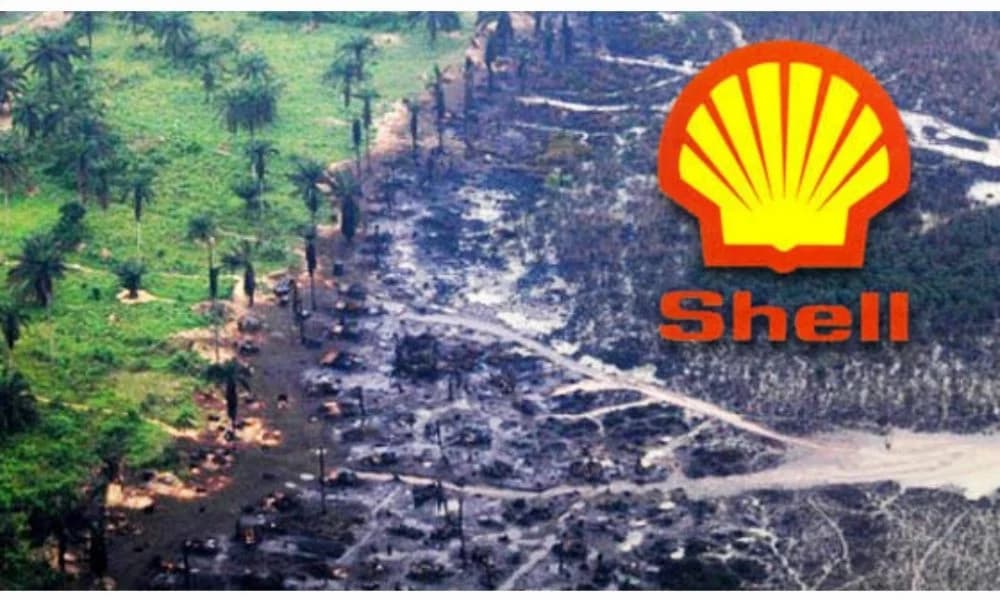
When the Deepwater Horizon platform exploded on April 20, 2010, it unleashed environmental catastrophe into the Gulf of Mexico. What followed wasn't just an ecological disaster—it was a calculated decision to hide the scale of that disaster from the American public.
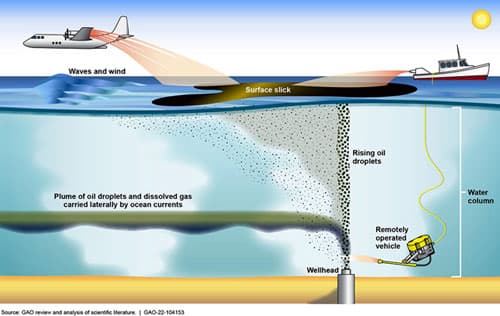
BP's response to the spill centered on a chemical called Corexit dispersant. The company sprayed 1.84 million gallons of it across the gulf's surface, breaking oil slicks into smaller droplets that sank below the waterline. The result appeared dramatic: TV cameras showed cleaner water. The scale of the disaster seemed contained.
The official narrative held that dispersants were standard practice. The EPA, tasked with regulating the cleanup, signed off on the strategy. When EPA Administrator Lisa Jackson raised concerns about Corexit's toxicity and requested BP switch to less harmful alternatives, the agency lacked legal authority to require the change. BP rejected her request, citing operational convenience. The dispersant application continued.
This is where the story shifted from environmental management to something harder to defend.
Peer-reviewed scientific research later established that crude oil becomes 52 times more toxic when combined with Corexit. The dispersant didn't eliminate the threat—it weaponized it, transforming a visible environmental problem into an invisible toxicological one. Workers who spent weeks and months in Gulf waters faced exposure to a far more dangerous substance than if the oil had remained on the surface, where containment and skimming operations could have proceeded.
The toxicity wasn't the only problem. Corexit suppressed the natural bacteria that degrade oil, extending the environmental damage indefinitely. Cleanup workers reported severe respiratory illnesses, neurological symptoms, and skin conditions. Many remain sick years later. Their health crisis was never attributed to the dispersant itself—BP's decision ensured that correlation would remain difficult to prove.
The PR benefit of using Corexit was immediate and undeniable. Sunken oil doesn't appear on television. The disaster, which could have dominated news cycles for months, seemed manageable within weeks. The visual containment of the crisis preceded the actual containment of the spill by years. BP understood this calculus perfectly.
What makes this case instructive isn't that BP prioritized optics over safety—most major corporations will, given sufficient incentive. What matters is that a federal agency charged with environmental protection lacked the statutory power to override this choice. Lisa Jackson had the authority to recommend, request, and object. She didn't have the authority to demand.
This gap between regulatory authority and actual power reveals something structural about environmental governance. When a corporation and a regulatory body disagree about safety measures, and when the regulatory body lacks enforcement tools, the corporation's choice becomes de facto policy. The EPA's weakness wasn't a bug in the system—it was the system itself.
Fifteen years later, the Gulf still shows signs of Deepwater Horizon's impact. The dispersed oil created dead zones that persist. Workers' health effects continue. BP settled litigation for billions, admitting negligence while denying intent. The company paid the price for the spill itself, but the decision to use Corexit, and the consequences of that decision, remain largely absent from public memory.
They shouldn't be.
Get the 5 biggest receipts every week, straight to your inbox — plus an exclusive PDF: The Top 10 Conspiracy Theories Proven True in 2025-2026. No spam. No agenda. Just the papers they couldn't hide.
You just read "BP sprayed 1.84 million gallons of toxic Corexit during Deep…". We send ones like this every week.
No one's said anything yet. Be the first to drop your take.