BP publicly claimed 5,000 barrels per day were leaking while internal estimates showed 60,000+ barrels daily. Company withheld underwater footage and flow rate data from authorities.
“Current estimates suggest approximately 5,000 barrels per day are being released”
From “crazy” to confirmed
The Claim Is Made
This is the moment they called it crazy.
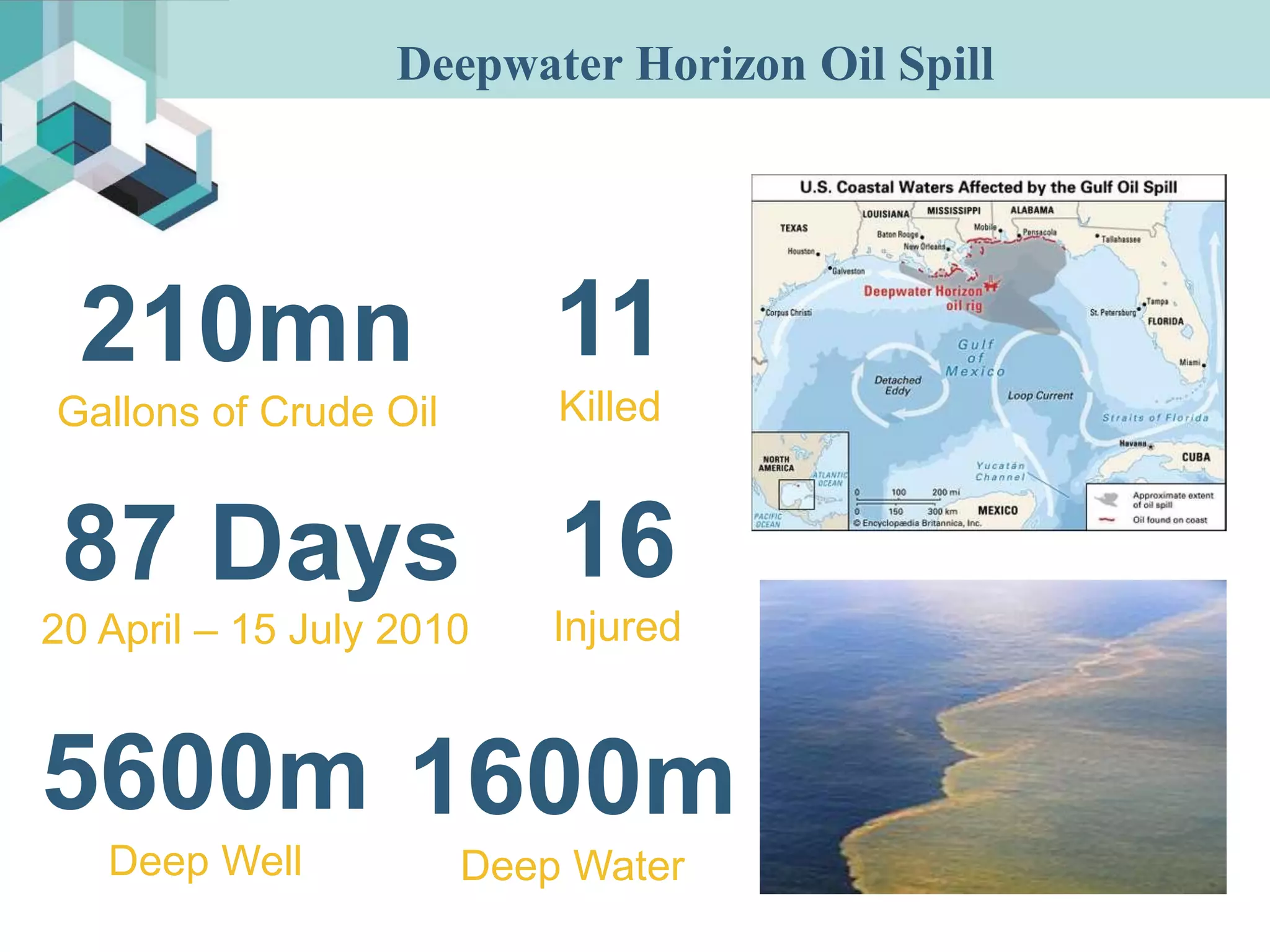
When BP's Deepwater Horizon rig exploded on April 20, 2010, killing eleven workers and triggering one of America's worst environmental disasters, the company's public statements became the baseline for how the world understood the catastrophe. For weeks, BP told federal regulators, the media, and the American public that approximately 5,000 barrels of crude oil were leaking into the Gulf of Mexico each day. That figure shaped everything from government response efforts to public perception of the spill's severity. It also proved to be dramatically wrong.
Internal BP documents and testimony before Congress revealed that the company's engineers had calculated the actual flow rate at somewhere between 35,000 and 60,000 barrels per day—up to twelve times higher than the official public estimate. What made this particularly damaging wasn't merely the miscalculation itself, but the evidence that BP leadership knew their public figures were far too low while continuing to issue them anyway.
The company's justification at the time was that the lower estimates came from the most conservative calculations available. Uncertainty about underwater conditions, the argument went, made precise measurements difficult. This explanation satisfied no one once internal communications surfaced. BP had possessed multiple flow-rate estimates, including far more alarming ones, yet systematically presented only the lowest numbers to government officials and the press.
Congressional investigators documented how BP withheld critical underwater footage and detailed flow-rate calculations from the Coast Guard and Environmental Protection Agency. The company resisted pressure to share its actual data, instead providing information filtered through a narrative of relatively contained damage. Meanwhile, the spill continued unchecked for 87 days, ultimately releasing somewhere between 4.9 million and 5.5 million barrels of oil into the Gulf—a figure that dwarfed every public estimate made during the crisis.
The evidence came from multiple directions. Internal BP emails showed engineers discussing their higher estimates in real time. Congressional testimony from former BP executives revealed the company had access to flow-rate data it never disclosed. Academic researchers who studied the underwater plume independently corroborated the higher figures. By the time these revelations emerged, they painted a picture of deliberate information management during a national emergency.
Why this matters extends well beyond a single environmental disaster. When corporations facing public scrutiny control access to critical data, citizens and government regulators cannot make informed decisions. The Deepwater Horizon case demonstrated how incomplete information—presented as authoritative—can shape the entire national response to crisis. Cleanup efforts, evacuation zones, and damage assessments were all calibrated to figures the responsible company knew were misleading.
The BP case also established a precedent worth remembering: claims made during crisis situations by parties with financial incentives to minimize damage deserve skeptical scrutiny. When official sources restrict access to underlying data, that restriction itself becomes newsworthy. The public was entitled to accurate information about the scale of environmental damage occurring in real time. Instead, it received estimates that bore little resemblance to what BP's own engineers had calculated.
Trust in institutions requires that those institutions tell the truth, especially when lives and ecosystems hang in the balance. BP failed that fundamental test, not through honest mistake, but through deliberate information control when transparency mattered most.
Get the 5 biggest receipts every week, straight to your inbox — plus an exclusive PDF: The Top 10 Conspiracy Theories Proven True in 2025-2026. No spam. No agenda. Just the papers they couldn't hide.
You just read "BP Downplayed Deepwater Horizon Spill Size While Knowing Tru…". We send ones like this every week.
No one's said anything yet. Be the first to drop your take.