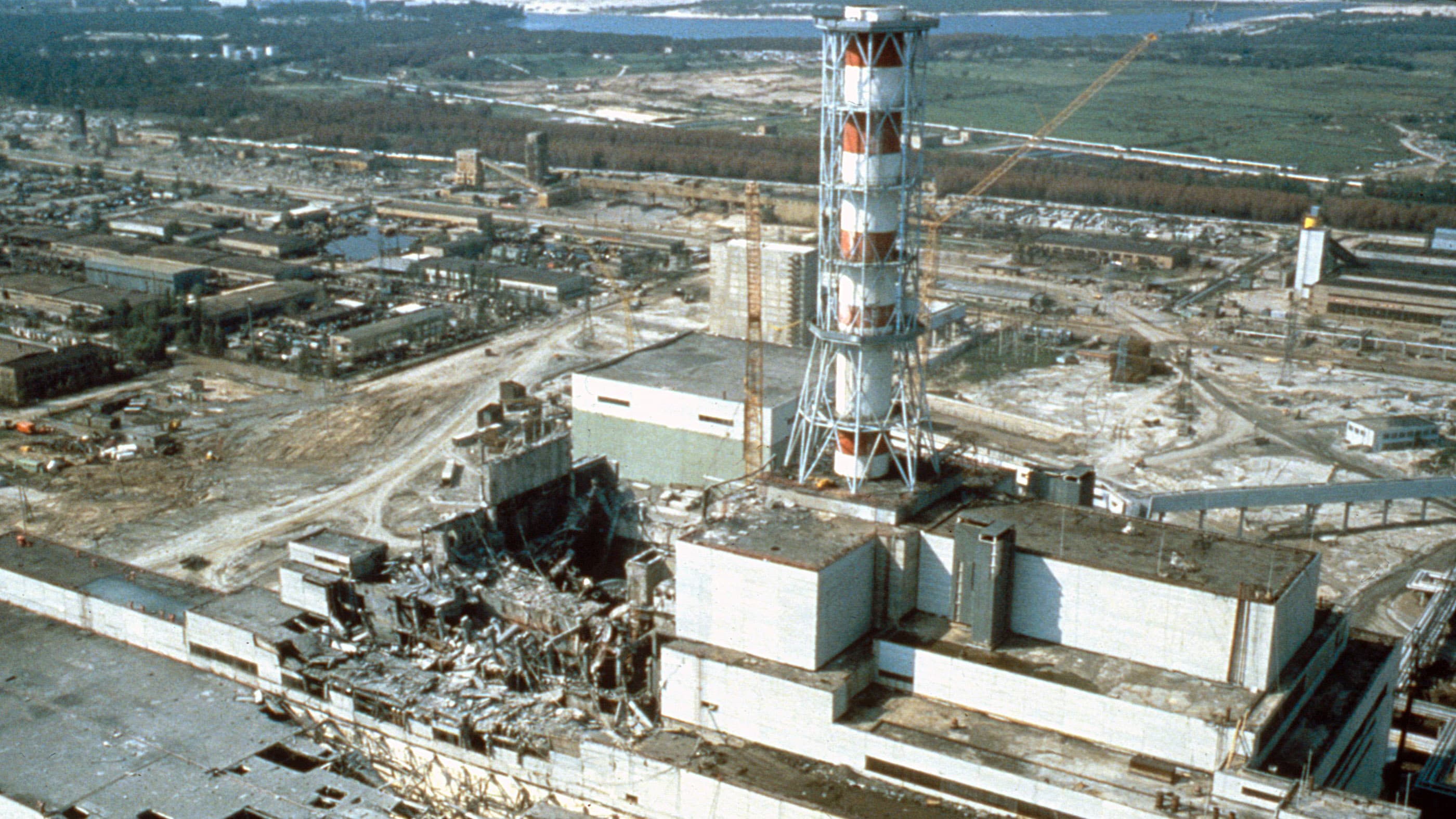
After the 1986 Chernobyl disaster, the Soviet government kept the news secret for almost three days. A KGB memo from July 28, 1986 explicitly forbade publishing information about 'the radiation situation,' 'contamination,' and 'radioactive contamination exceeding permissible concentrations.' The official death count remained at 31. A 2006 Greenpeace report estimated up to 93,000 deaths. Ukrainian security services later revealed the Soviets knew about dangerous plant conditions years before, with radiation releases in 1982 and 1984 that were never disclosed.
“The official death toll of 31 is a lie. The Soviet government systematically suppressed information about radiation levels, contamination, and the true number of victims.”
From “crazy” to confirmed
The Claim Is Made
This is the moment they called it crazy.
Confirmed: They Were Right
The truth comes out. Officially documented.
Confirmed: They Were Right
The truth comes out. Officially documented.
When Soviet authorities reported the Chernobyl nuclear disaster on April 26, 1986, they told the world that 31 people had died. For decades, this figure became the official historical record. It was wrong.
The suppression began almost immediately. A KGB memo dated July 28, 1986 explicitly ordered officials to prevent publication of any information about "the radiation situation," "contamination," or "radioactive contamination exceeding permissible concentrations." The Soviet government wasn't simply downplaying the disaster—they were systematically blocking public knowledge of its scope.
The official death toll of 31 represented only those who died in the immediate aftermath: plant workers and emergency responders killed by acute radiation exposure in the days following the explosion. Soviet officials pointed to this figure as evidence that the situation, while serious, remained contained. Western observers and nuclear safety advocates questioned these numbers, but without access to Soviet records, they could only speculate.
What made this claim worth tracking wasn't mere speculation. Ukrainian security services eventually revealed that Soviet leadership had known about dangerous conditions at the Chernobyl plant long before the catastrophic failure. Radiation releases had occurred in 1982 and 1984—incidents that were never disclosed to the public or to international authorities. The plant's problems weren't new; they were hidden.
The turning point came in 2006, two decades after the disaster, when Greenpeace released a comprehensive report analyzing long-term health effects in affected regions. Using epidemiological data from Belarus, Ukraine, and Russia, researchers estimated that the true death toll from Chernobyl-related illnesses could reach 93,000 people. This included deaths from cancer, leukemia, thyroid disease, and other radiation-induced conditions that developed years after exposure.
The National Security Archive later declassified documents confirming the systematic nature of the cover-up. These weren't isolated decisions by local officials trying to manage a crisis. The KGB directive showed that Moscow had implemented a coordinated information blackout at the highest levels of government.
The gap between 31 and 93,000 represents far more than a statistical error. It reflects a deliberate choice by Soviet authorities to prioritize institutional credibility over public health. Citizens living in contaminated zones received no warnings to evacuate, no guidance on protecting themselves or their children, no information that might have motivated them to demand better safety standards.
This case matters because it demonstrates how governments can weaponize secrecy during environmental catastrophes. The Chernobyl cover-up wasn't an anomaly—it was the default response of a system where admitting failure threatened the regime's legitimacy. Even in democracies with freedom of the press, similar incentives exist for officials to minimize bad news.
The lesson isn't simply that we should distrust official statements about disasters. It's that transparency mechanisms—independent monitors, mandatory reporting, accessible data—serve as the only reliable counterweight to institutional self-preservation. Chernobyl killed far more people than the world was allowed to know. That difference was no accident.
Get the 5 biggest receipts every week, straight to your inbox — plus an exclusive PDF: The Top 10 Conspiracy Theories Proven True in 2025-2026. No spam. No agenda. Just the papers they couldn't hide.
You just read "Soviet Union suppressed Chernobyl's true death toll for deca…". We send ones like this every week.
No one's said anything yet. Be the first to drop your take.