DuPont knew since the 1960s that PFOA chemicals used in Teflon production caused health problems but concealed evidence from regulators and communities. Internal studies showed links to cancer and birth defects.
“PFOA exposure does not pose health risks to workers or communities at current exposure levels”
From “crazy” to confirmed
The Claim Is Made
This is the moment they called it crazy.
For decades, millions of Americans used Teflon-coated cookware without knowing what DuPont knew all along: the non-stick coating came with a serious price. The company had documented evidence that PFOA—the chemical that made Teflon possible—posed genuine health risks, yet this information remained locked away from the public for roughly 40 years.
The claim emerged from internal documents and regulatory filings that paint a picture of deliberate concealment. DuPont's own research dating back to the 1960s showed that PFOA exposure caused health problems in laboratory animals, including cancer and birth defects. Yet the company continued manufacturing and marketing Teflon products without adequately warning consumers or informing the communities surrounding its manufacturing plants.
When activists and researchers first raised concerns about PFOA contamination in the 1990s and early 2000s, DuPont's public position was straightforward: there was no credible evidence of harm to human health. The company maintained this stance even as mounting internal research contradicted it. Regulators relied partly on DuPont's assurances when setting safety guidelines, creating a system where the primary source of information about a chemical's risks was the company profiting from it.
The turning point came through legal discovery. During lawsuits filed by affected communities, particularly around DuPont's Washington Works facility in West Virginia, thousands of previously confidential company documents became public. These files revealed that DuPont scientists had observed cancer in test animals exposed to PFOA as early as the 1960s. Internal memos showed the company understood the chemical could accumulate in human blood and persist indefinitely.
Get the 5 biggest receipts every week, straight to your inbox — plus an exclusive PDF: The Top 10 Conspiracy Theories Proven True in 2025-2026. No spam. No agenda. Just the papers they couldn't hide.
You just read "DuPont Concealed PFOA Contamination Health Risks for Decades". We send ones like this every week.
No one's said anything yet. Be the first to drop your take.
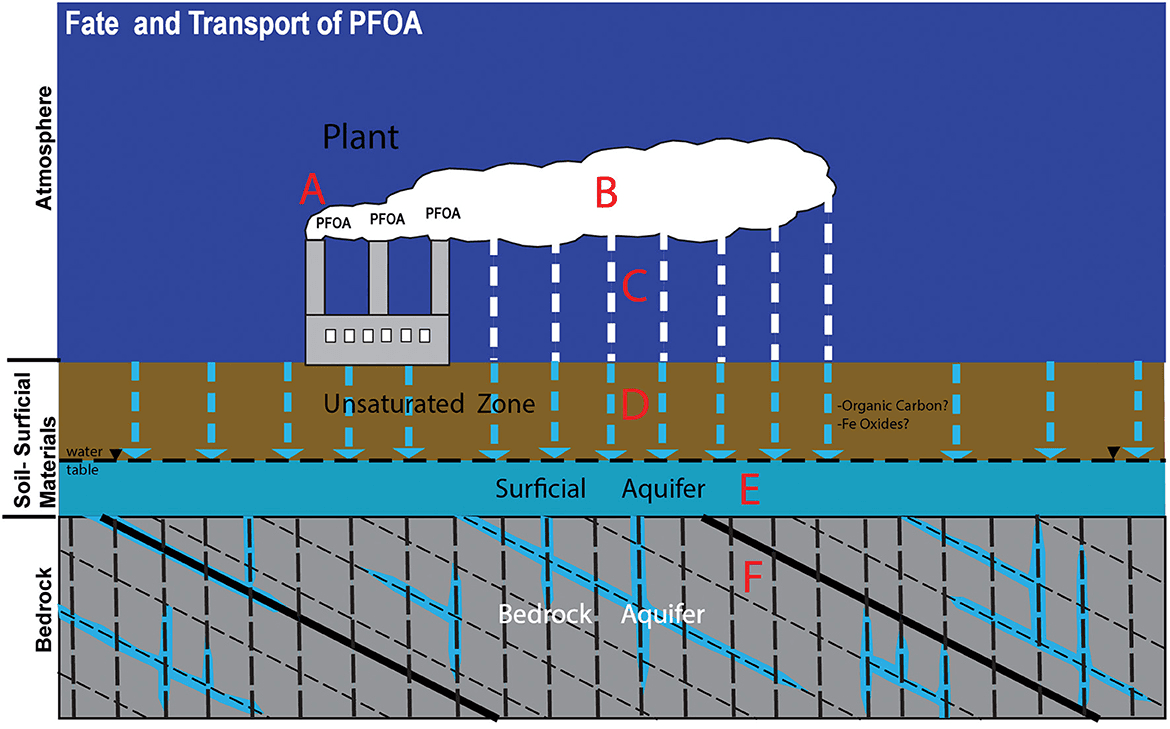
EPA settlement documentation and civil litigation records laid bare the timeline. DuPont had tested PFOA's effects on workers and their families. They knew about contamination in drinking water near their plants. Yet they avoided costly remediation and continued operations. When the EPA eventually investigated, it found PFOA in the blood of nearly the entire U.S. population—evidence that the chemical had become ubiquitous in the American environment.
In 2005, after decades of pressure and litigation, DuPont agreed to a $16.5 million settlement with the EPA, though the company admitted no wrongdoing. More significantly, the company ultimately agreed to phase out PFOA production by 2013 and to fund an independent science panel to study health effects in contaminated communities. These weren't the actions of a company confident in its product's safety.
What makes this case matter extends beyond Teflon cookware. It demonstrates how a corporation's financial interests can override transparency about public health risks. DuPont had both the evidence and the ability to warn people earlier. The delay in disclosure meant millions of people and countless communities continued exposure to a chemical now linked to kidney cancer, testicular cancer, thyroid disease, and developmental effects.
The DuPont-PFOA case also reveals structural problems in how we regulate chemicals. Companies conduct their own safety research. Regulators often lack independent testing capacity. And litigation, not regulation, forced transparency. This pattern has repeated with countless other chemicals since.
For communities affected by PFOA contamination, acknowledgment came too late. For the rest of us, the lesson is clear: when a company controlling the evidence about its own product insists there's nothing to worry about, skepticism isn't paranoia. It's warranted caution.
See also: [DuPont's Teflon Cover-Up: How Internal Memos Exposed a Decades-Long Chemical Conspiracy](/blog/teflon-dupont-pfoa-coverup-documents) — our deeper breakdown of this topic.
Beat the odds
This had a 2% chance of leaking — someone talked anyway.
Conspirators
~200Network
Secret kept
24.8 years
Time to 95% exposure
500+ years