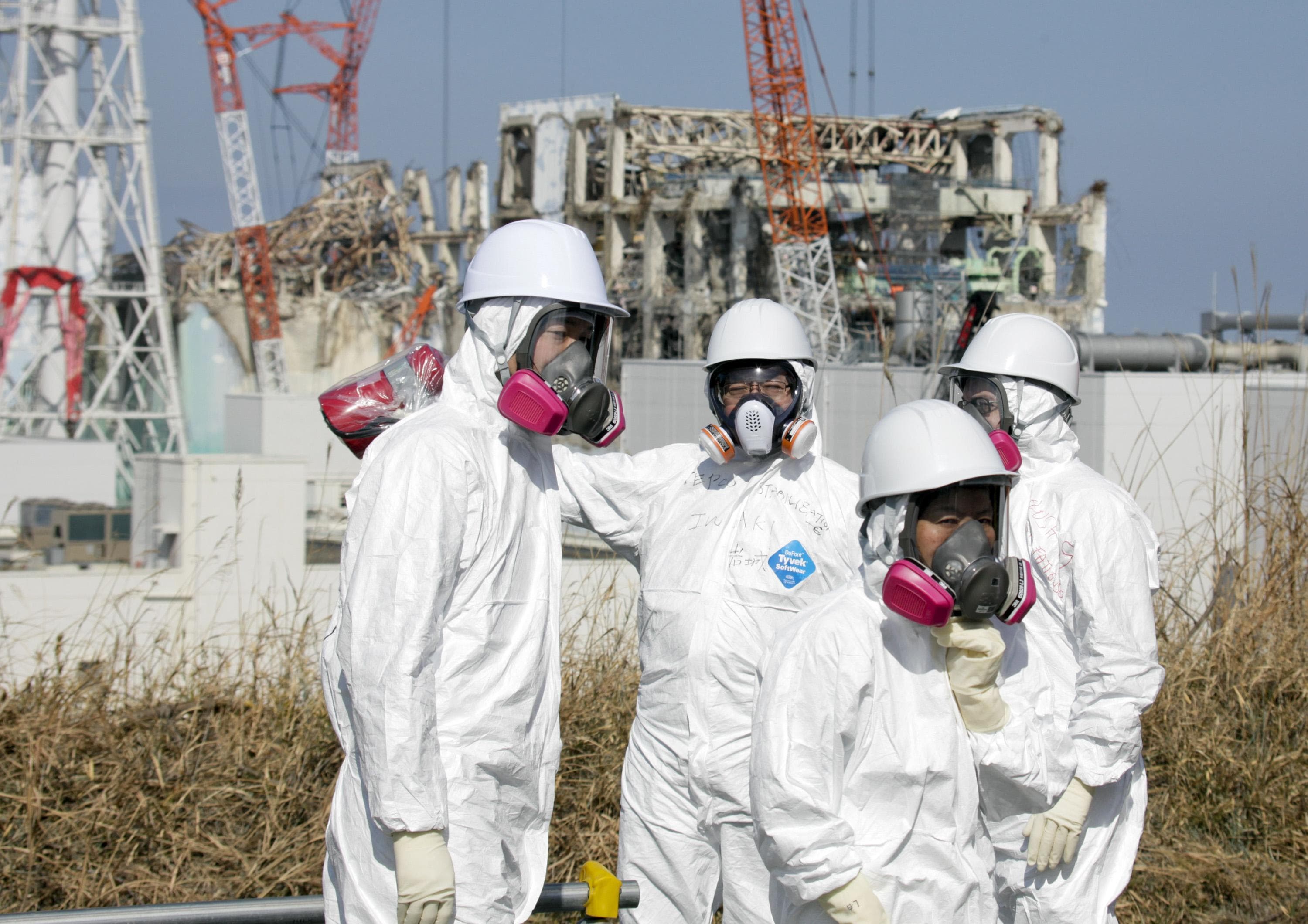
After the March 11, 2011 tsunami, TEPCO knew within three days that reactor fuel damage exceeded 25-55% — well above the 5% meltdown threshold under their own manual. But TEPCO president instructed officials not to use the word 'meltdown,' instead describing the situation as 'core damage' for two months. This wasn't their first cover-up: in 2002, TEPCO admitted to 200 occasions of falsifying safety reports over 25 years (1977-2002), including hiding cracks in reactor core shrouds detected as early as 1993.
“TEPCO is lying about the severity of the Fukushima disaster. This is a full meltdown, not just 'core damage.' They have a history of falsifying safety data going back decades.”
From “crazy” to confirmed
The Claim Is Made
This is the moment they called it crazy.
Confirmed: They Were Right
The truth comes out. Officially documented.
Confirmed: They Were Right
The truth comes out. Officially documented.
When Japan's worst earthquake in recorded history struck on March 11, 2011, Tokyo Electric Power Company (TEPCO) faced an immediate crisis. Within three days, internal monitoring showed that reactor fuel damage had reached 25 to 55 percent—far exceeding the 5 percent threshold that, by TEPCO's own operational manual, constituted a meltdown.
Yet the public would not hear the word "meltdown" for two months.
What happened instead was a deliberate linguistic choice made at the highest levels of the company. TEPCO's president instructed officials to describe the catastrophic situation using the softer term "core damage"—a distinction without real difference that obscured the severity of what had occurred in reactors at Fukushima Daiichi. The company maintained this characterization through March and April 2011, even as radiation poured into the atmosphere and surrounding communities were evacuated.
At the time, some questioned whether TEPCO had known more than it was saying. The company insisted it was being transparent within the limits of what it understood in those chaotic early days. Engineers were working with incomplete data, TEPCO argued. The situation was evolving. The terminology reflected genuine uncertainty rather than deception.
This narrative might have held if TEPCO's track record had been clean. It wasn't.
In 2002, nearly a decade before Fukushima, TEPCO issued a formal admission that stunned Japan's nuclear regulatory community. The company confessed to 200 instances of falsifying safety reports over a 25-year span, from 1977 to 2002. These weren't minor paperwork errors. The falsifications included concealing cracks in reactor core shrouds—structural defects that had been detected as early as 1993 but were never disclosed to regulators or the public. For nearly a decade, TEPCO knew about potential vulnerabilities in its reactors and chose to hide them.
This history provided crucial context for understanding the post-tsunami cover-up. TEPCO's 2011 actions weren't an isolated lapse in judgment during an emergency. They were consistent with a corporate culture that had already demonstrated a willingness to subordinate public safety to reputation management. The company had spent years concealing known defects; it seemed plausible they would conceal a meltdown.
When TEPCO finally admitted what had happened—that yes, meltdowns had occurred, that the terminology had been deliberately misleading—the admission came under pressure from independent investigation, not voluntary disclosure. The company's credibility, already damaged by the 2002 revelations, suffered another blow.
The Fukushima case matters because it illustrates how institutional deception operates. TEPCO didn't announce false information; it simply used technically defensible language to obscure reality. It relied on the public's trust that a major utility company would prioritize safety disclosure. And it did so with full knowledge of its own history of concealment.
For those who lived through Fukushima—who evacuated their homes based on incomplete information, who consumed potentially contaminated food and water—the delayed truth was more than an embarrassment for TEPCO. It was a breach of the social contract that depends on institutions being honest about risks.
Get the 5 biggest receipts every week, straight to your inbox — plus an exclusive PDF: The Top 10 Conspiracy Theories Proven True in 2025-2026. No spam. No agenda. Just the papers they couldn't hide.
You just read "TEPCO concealed Fukushima meltdowns for months, calling them…". We send ones like this every week.
No one's said anything yet. Be the first to drop your take.