GE discharged 1.3 million pounds of PCBs into the Hudson River from 1947-1977 while internal documents showed company scientists knew about toxicity risks. Company fought cleanup efforts for decades.
“PCBs pose no significant environmental or health risks and do not require extensive remediation”
From “crazy” to confirmed
The Claim Is Made
This is the moment they called it crazy.
For thirty years, General Electric dumped industrial waste into one of America's most important rivers while knowing it posed serious health risks. The company's own scientists had documented the dangers, yet GE fought environmental cleanup efforts with the same vigor it defended its business interests.
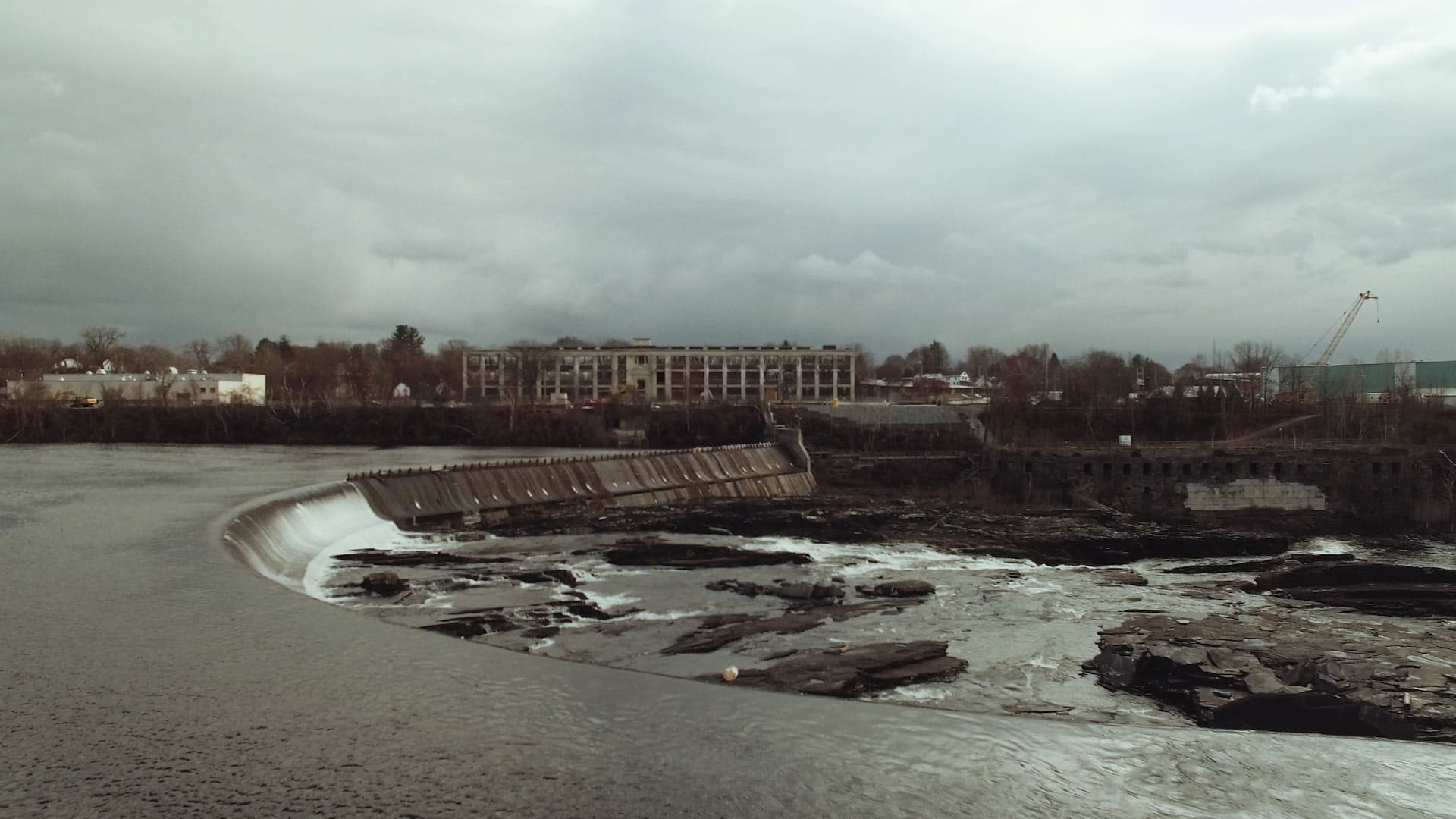
Between 1947 and 1977, GE discharged approximately 1.3 million pounds of PCBs—polychlorinated biphenyls—into the Hudson River from two capacitor manufacturing plants in upstate New York. PCBs were valuable industrial compounds, useful for insulation and heat resistance. They were also persistent poisons that accumulate in the body over time, causing cancer, reproductive problems, and neurological damage.
For years, GE maintained that the dumping posed no significant environmental or health threat. The company characterized PCB contamination as a non-issue, suggesting that concerns were overblown by activists and environmental groups. This position held considerable weight in an era when environmental regulation was nascent and corporate assurances were often accepted at face value.
Internal company documents, however, told a different story. GE's own scientists had conducted research demonstrating that PCBs were toxic and bioaccumulative—meaning they concentrated in organisms over time rather than breaking down. These findings contradicted the company's public stance. The documents showed that GE leadership was aware of the hazards their operations posed to the river ecosystem and downstream communities, yet the company continued operations unchanged while simultaneously working to minimize public concern.
The EPA investigation of the Hudson River PCB contamination ultimately corroborated what GE's internal research had already established. The agency found extensive PCB contamination throughout the river, with concentrations particularly high near the GE manufacturing sites. The cleanup effort that followed would become one of the largest environmental remediation projects in American history, yet it faced years of delay and resistance from the company.
GE's behavior reflected a pattern common during the mid-twentieth century: industrial operators possessed scientific knowledge about environmental and health impacts of their operations but chose profit maximization over public protection. The company had the data. Its scientists understood the risks. Yet this information remained internal, compartmentalized from public discourse and regulatory scrutiny.
What happened on the Hudson River matters because it illustrates how institutional knowledge and public knowledge can diverge dramatically. GE had no incentive to volunteer damaging information, and regulatory mechanisms of that era lacked the authority or resources to compel transparency. Citizens and communities downstream had no way to make informed decisions about their exposure because the relevant information was hidden behind corporate walls.
This case also demonstrates why institutional memory and document preservation matter. Decades later, when those internal documents became available, they provided irrefutable evidence of what company officials knew and when they knew it. Without that documentary record, the company's narrative might have prevailed.
Today, the Hudson River PCB case serves as a foundation for how we think about corporate accountability and environmental protection. It shows why regulatory transparency, independent scientific verification, and public access to corporate research are not bureaucratic luxuries—they are essential safeguards. When companies possess knowledge about dangers their operations create, the burden should be on them to disclose that information immediately, not on communities to prove harm decades later.
Get the 5 biggest receipts every week, straight to your inbox — plus an exclusive PDF: The Top 10 Conspiracy Theories Proven True in 2025-2026. No spam. No agenda. Just the papers they couldn't hide.
You just read "General Electric Dumped PCBs in Hudson River Despite Knowing…". We send ones like this every week.
No one's said anything yet. Be the first to drop your take.