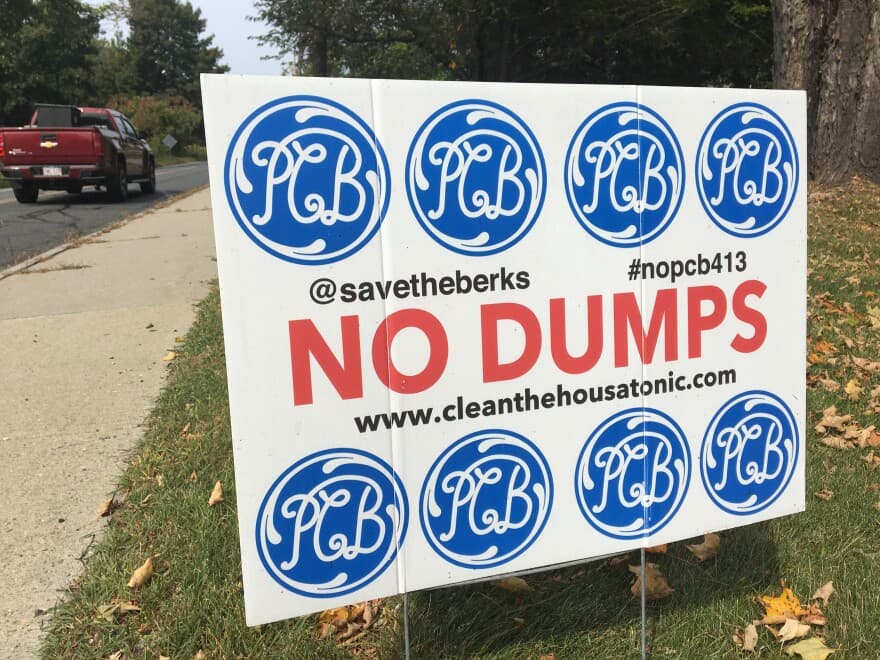
GE discharged 1.3 million pounds of PCBs into Hudson River from 1947-1977, knowing they were toxic. Internal documents revealed company awareness of health dangers while publicly denying harm.
“PCBs pose no significant health risk and our discharges comply with all regulations”
From “crazy” to confirmed
The Claim Is Made
This is the moment they called it crazy.
For three decades, General Electric operated two capacitor plants along the Hudson River in upstate New York, discharging waste into one of America's most important waterways. The company knew exactly what it was doing—and knew exactly what it was putting there.
Between 1947 and 1977, GE released approximately 1.3 million pounds of polychlorinated biphenyls, or PCBs, directly into the Hudson. These chemicals don't break down in the environment. They accumulate in fish, in sediment, and in the bodies of people who consume contaminated food or water. Internal company documents would later prove that GE's leadership understood these dangers while the practice continued unchecked.
At the time, GE wasn't acting in secret defiance of well-known regulations. PCBs were widely used in industrial applications, and their dangers weren't yet fully catalogued in public health databases. But this was the critical gap: GE knew more than the public did. The company had conducted its own research into PCB toxicity. Employees had raised concerns internally. Yet when questioned by regulators or the public, GE consistently downplayed or denied any serious harm.
The company's official position was one of cautious reassurance. Any releases were characterized as minimal and inconsequential. The Hudson was large enough to dilute any contaminants. Fish populations weren't in immediate danger. There was no evidence of widespread human health impacts. These statements allowed GE to continue operations and avoid the expense of containment or remediation.
The shift came as environmental awareness grew in the 1970s. Researchers began finding elevated PCB levels in Hudson River fish. The EPA, newly created in 1970, started investigating industrial pollution more aggressively. When regulators examined GE's own records, a different picture emerged. Internal documents showed the company had monitored PCB levels in the river. Some records indicated awareness of the chemical's health effects. The narrative of innocent, cautious operation collapsed under scrutiny.
By 1977, GE ceased the practice—not through voluntary acknowledgment of harm, but through regulatory action and mounting public pressure. The damage, however, was permanent. The Hudson River sediments remained contaminated. Fish consumption advisories were issued. Decades later, remediation efforts would cost billions of dollars and require one of the largest environmental cleanup operations in American history.
What makes this case significant isn't simply that a corporation prioritized profit over safety. That's an old story. What matters is the deliberate management of information. GE possessed knowledge about PCB toxicity that wasn't yet universally known. Rather than disclose this knowledge or reduce its operations, the company maintained a public facade of responsibility while internal practices continued unchanged.
This pattern—where companies know more about risks than they acknowledge publicly—has repeated across industries, from tobacco to pharmaceuticals to fossil fuels. It's why documents matter. It's why regulatory oversight matters. And it's why the gap between what corporations know internally and what they say externally deserves scrutiny.
The Hudson River cleanup reminds us that environmental damage can persist for generations. So can the erosion of public trust that follows when institutions are caught operating with hidden knowledge. GE eventually cooperated with remediation efforts, but the company's prior actions had already shaped how communities viewed corporate accountability.
This is what institutional knowledge withheld looks like in practice.
Get the 5 biggest receipts every week, straight to your inbox — plus an exclusive PDF: The Top 10 Conspiracy Theories Proven True in 2025-2026. No spam. No agenda. Just the papers they couldn't hide.
You just read "General Electric Knowingly Dumped PCBs in Hudson River for D…". We send ones like this every week.
No one's said anything yet. Be the first to drop your take.