On August 8, 2023, the Lahaina wildfire killed 115 people — the deadliest US wildfire in over a century. Warning sirens were never activated — Hawaii's emergency chief said sirens would have caused people to run toward the fire (toward higher ground). The county's water system was shut off during the fire due to concerns about contamination. Before recovery was even complete, off-island investors began sending unsolicited purchase offers to survivors. Governor Green issued an emergency proclamation making such predatory offers illegal (1 year jail, $5,000 fine). Power lines owned by Hawaiian Electric that may have sparked the fire were not de-energized despite high wind warnings.
“No sirens. No water. Power lines sparked the fire. Then investors called survivors before the bodies were found. The governor had to make it illegal.”
From “crazy” to confirmed
The Claim Is Made
This is the moment they called it crazy.
On August 8, 2023, fire swept through Lahaina, Hawaii, killing 115 people in what became the deadliest wildfire in the United States in over a century. In the days and weeks that followed, survivors and residents began asking uncomfortable questions about how the disaster unfolded. Three specific claims emerged—that warning sirens were never activated, that the county's water system was shut off during the fire, and that investors began circling with purchase offers before recovery efforts even began. Each claim suggested either negligence or exploitation. Each one turned out to be substantially true.
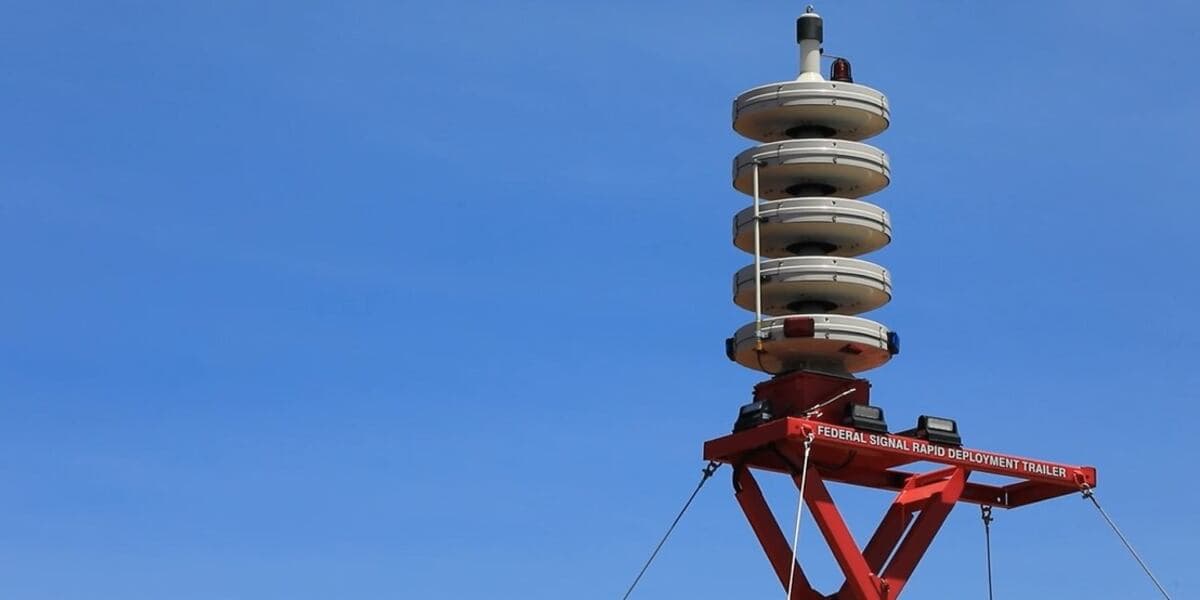
The siren question became the first focal point. Local residents and national commentators wanted to know why the emergency alert system that residents had relied on for decades wasn't triggered when the fire approached. Hawaii's Emergency Management Agency director initially defended the decision, explaining that activating the sirens would have actually worsened the situation. According to NPR's reporting, officials believed that sounding the alarms would have caused panicked residents to run toward higher ground—directly into the path of the advancing fire. Whether this reasoning was sound or flawed, the fact remained: the sirens stayed silent during one of Hawaii's worst disasters.
The water shutoff presented a different but equally serious problem. During the height of the fire, the county's water system was deliberately shut down. The official explanation was straightforward: authorities feared contamination from the intense heat and wanted to prevent backflow into the main lines. But the shutdown occurred precisely when firefighters needed maximum water pressure to battle the flames. NPR confirmed this sequence of events, documenting how infrastructure decisions made in real time had cascading consequences.
Then came the land grabs. Before the fires were fully extinguished, before families had identified their dead, unsolicited purchase offers began arriving at survivors' homes and mailboxes. Wealthy investors from the mainland and abroad saw opportunity in tragedy. Hawaii Public Radio's investigation into these predatory practices found that the erosion of trust in local institutions was nearly as damaging as the fire itself. Survivors felt targeted twice—first by the disaster, then by those trying to profit from their desperation.
Get the 5 biggest receipts every week, straight to your inbox — plus an exclusive PDF: The Top 10 Conspiracy Theories Proven True in 2025-2026. No spam. No agenda. Just the papers they couldn't hide.
You just read "Lahaina's warning sirens were never activated, water was cut…". We send ones like this every week.
No one's said anything yet. Be the first to drop your take.
Governor Josh Green's response cut through the usual political hedging. He issued an emergency proclamation making such unsolicited offers illegal, establishing penalties of up to one year in jail and $5,000 in fines for violators. This wasn't a suggestion or a study—it was a direct acknowledgment that the land-grab threat was real enough to require immediate legal action.
A fourth detail also emerged: power lines owned by Hawaiian Electric Company that may have sparked the initial fire were not de-energized despite clear high wind warnings on the day of the disaster. While the company later settled a lawsuit for $4.25 billion, the question of preventive action remained unanswered.
What makes this case matter isn't that bad things happened—disasters are inherently tragic. What matters is that each initially dismissed or downplayed claim proved to have substantial factual basis. Sirens weren't sounded. Water was shut off. Investors did circle like predators. When officials' explanations later align with documented reality, public trust is restored. When they don't, it erodes further. Lahaina's story is a reminder that skepticism toward official narratives isn't cynicism—it's accountability.