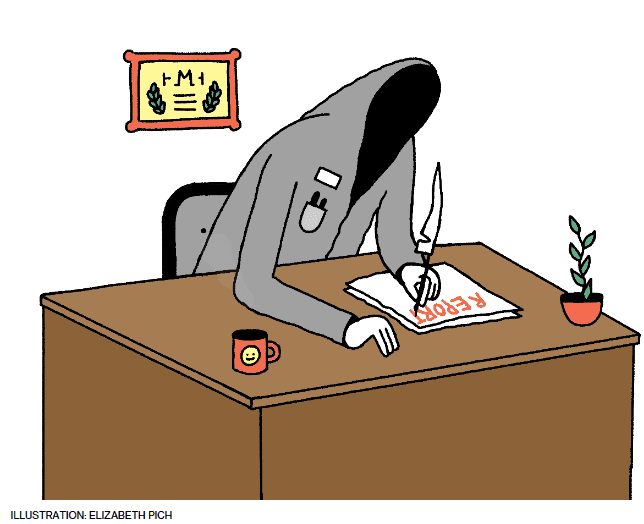
Court documents revealed Monsanto employees ghostwrote research papers published under academic scientists' names claiming glyphosate safety while internal emails showed cancer concerns.
“Monsanto scientists do not ghostwrite papers for outside scientists”
From “crazy” to confirmed
The Claim Is Made
This is the moment they called it crazy.
When academic scientists publish research in peer-reviewed journals, readers assume the work reflects independent inquiry. That assumption faces a serious challenge in the case of glyphosate safety studies bearing the names of prominent researchers—studies that were actually written by Monsanto employees.
The company manufactured one of the world's most widely used herbicides: Roundup, whose active ingredient is glyphosate. For decades, Monsanto maintained that glyphosate posed no cancer risk to humans. This safety claim wasn't based solely on internal testing. Academic publications—the gold standard of scientific credibility—appeared to corroborate the company's position.
The official narrative held firm for years. Regulatory agencies cited these peer-reviewed papers when approving continued glyphosate use. Monsanto pointed to independent researchers validating their product. The company's position seemed unassailable, backed by the weight of scientific consensus.
Everything changed when Monsanto faced litigation over cancer claims. Court-ordered document discovery—the process where companies must release internal communications—revealed the ghostwriting scheme. Emails and memos showed Monsanto employees drafting scientific papers that were subsequently published under the names of academic researchers who contributed minimal or no original work.
Get the 5 biggest receipts every week, straight to your inbox — plus an exclusive PDF: The Top 10 Conspiracy Theories Proven True in 2025-2026. No spam. No agenda. Just the papers they couldn't hide.
You just read "Monsanto Ghostwrote Scientific Studies Claiming Roundup Safe…". We send ones like this every week.
No one's said anything yet. Be the first to drop your take.
One particularly damaging revelation involved a researcher named Donna Farmer and others at Monsanto who wrote papers claiming glyphosate safety, papers that appeared under different scientists' names in scientific journals. These weren't casual edits or minor contributions repackaged as authorship. The documents showed Monsanto controlling the narrative, selecting which scientists would be listed as authors, and managing how findings were presented to the public and regulators.
Simultaneously, internal Monsanto emails revealed something else entirely. Company scientists privately discussed cancer concerns related to glyphosate. There were mentions of toxicology studies showing potential risks, discussions about how to handle unfavorable data, and strategic communications planning. The gap between what Monsanto told the world and what company scientists said behind closed doors proved stark.
The ghostwriting discovery wasn't theoretical—it was documented in court filings from multiple lawsuits, including cases that resulted in significant settlements. Monsanto (later acquired by Bayer) paid billions in damages to plaintiffs claiming Roundup caused their cancer. The company agreed to settlements without admitting wrongdoing, a legal maneuver that nonetheless validated the legitimacy of claims it had previously dismissed.
This matters because scientific integrity forms the foundation of informed decision-making. When corporations ghostwrite research, they undermine the peer-review system. When the papers appear under legitimate scientists' names, the public and regulators can't distinguish between truly independent research and corporate marketing disguised as science. For years, this deception influenced agricultural practices, regulatory decisions, and individual choices about herbicide exposure.
The Monsanto case illuminates a broader vulnerability in how we establish scientific truth. A single company, motivated by profit, successfully manipulated the appearance of independent validation for its product. Regulatory agencies trusted the peer-reviewed literature they cited. Farmers made decisions based on what seemed like established science. Consumers were exposed to a product regulators deemed safe partly because of papers Monsanto had secretly written.
What happened with glyphosate raises uncomfortable questions about other industries relying on similar tactics. The ghostwriting didn't represent an isolated mistake—it reflected strategy, documented in internal communications. Until systems exist to better verify scientific independence and corporate influence is more transparently disclosed, public trust in published research remains vulnerable to the same manipulation.
Beat the odds
This had a 0.7% chance of leaking — someone talked anyway.
Conspirators
~200Network
Secret kept
9.2 years
Time to 95% exposure
500+ years