Internal industry documents from the 1970s show that plastic producers knew recycling was not viable at scale. Despite this knowledge, Big Oil and the plastics industry promoted recycling as a solution for nearly four decades to prevent production bans. A 2025 document discovery showed industry awareness in 1974 that recycling was a false solution. Meanwhile, microplastics have been detected throughout the human body — in blood, lungs, liver, and joints — with people consuming up to 193,200 microplastic particles per year.
“Plastic recycling is a lie created by the oil industry to keep selling plastic. They've known since the 1970s that most plastic can't be economically recycled — the recycling symbol is just marketing.”
From “crazy” to confirmed
The Claim Is Made
This is the moment they called it crazy.
Confirmed: They Were Right
The truth comes out. Officially documented.
Confirmed: They Were Right
The truth comes out. Officially documented.
For decades, the plastic industry told us that recycling was the answer to our pollution crisis. Buy products in plastic containers, they assured us, because those materials would be collected, processed, and transformed into new products. It was a reassuring message that allowed consumers to feel responsible while continuing to purchase plastic goods. But internal documents discovered and analyzed in recent years reveal a troubling truth: major plastic producers knew this promise was hollow as early as 1974.
The claim that the plastics industry deliberately misled the public about recycling's viability isn't new to environmental activists, but it has recently moved from fringe accusation to documented fact. Investigative reporting by outlets like DeSmog has uncovered industry communications showing that plastic manufacturers were aware—nearly fifty years ago—that recycling plastic at scale was technically and economically unfeasible. Yet despite this knowledge, they spent the next four decades promoting recycling as the solution to plastic waste.
The official response from the industry has been consistent denial. Plastic manufacturers and trade groups have long maintained that they genuinely believed recycling could work, and that they simply promoted it as one tool among many for managing plastic waste. The industry framed their advocacy as environmental responsibility and innovation. Critics who challenged recycling's effectiveness were dismissed as pessimistic or uninformed. The message from corporate boardrooms and marketing departments was unified: recycling works, and anyone suggesting otherwise was wrong.
The evidence tells a different story. Documents from 1974 show that industry scientists and executives understood the fundamental problems with plastic recycling: the material degrades with each cycle, making it unsuitable for many applications; the economics didn't work without heavy subsidies; and sorting mixed plastics was nearly impossible at the scale being generated. Instead of pursuing solutions to these problems, the industry chose a different strategy. They invested heavily in promoting recycling to the public while simultaneously lobbying against policies that would have restricted plastic production or banned single-use plastics.
This wasn't merely a difference of opinion about viability. It was a calculated public relations strategy designed to shift responsibility from manufacturers to consumers. By convincing the public that recycling was the solution, the industry created a false sense of environmental progress that actually enabled increased plastic consumption. Why worry about reducing plastic use if your waste would be recycled? The industry had found a way to maintain their business model while appearing environmentally conscious.
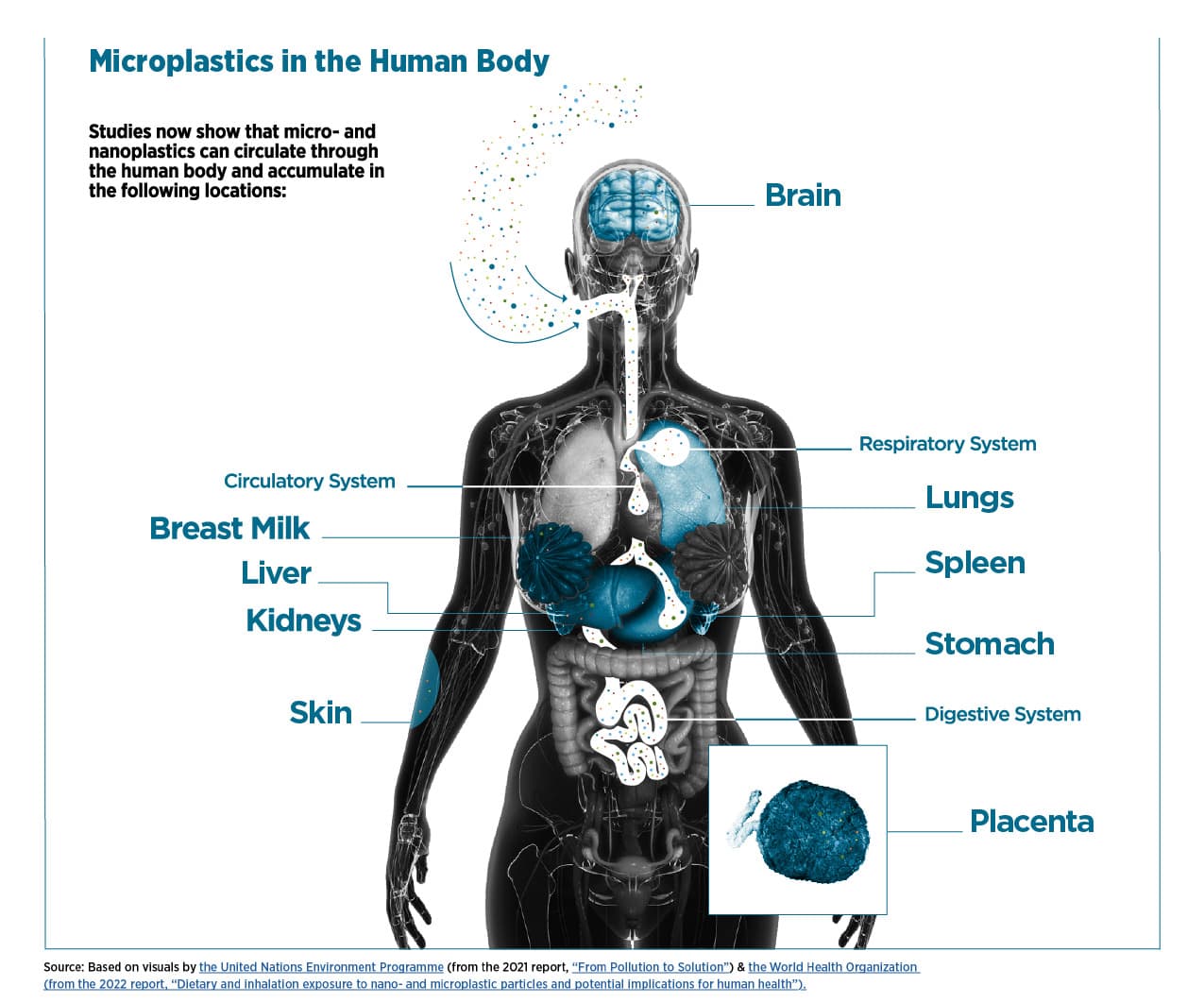
The human cost of this deception is becoming increasingly clear. Recent research shows that microplastics—tiny fragments of broken-down plastic—have infiltrated the human body at alarming levels. Scientists have detected microplastics in blood, lungs, liver, and joints. The average person now consumes approximately 193,200 microplastic particles annually, with higher exposure for those who drink bottled water or consume certain foods. We're still not certain what long-term health consequences this will bring.
This case exemplifies why public trust in institutions matters. When industries prioritize profit over transparency, they don't just mislead consumers—they compromise the ability of society to make informed decisions about major environmental and health issues. The plastics industry didn't simply disagree about recycling's potential. They withheld knowledge that could have changed policy and individual behavior decades ago. That distinction transforms this from a corporate miscalculation into something far more serious: a deliberate choice to protect profits over public welfare.
Get the 5 biggest receipts every week, straight to your inbox — plus an exclusive PDF: The Top 10 Conspiracy Theories Proven True in 2025-2026. No spam. No agenda. Just the papers they couldn't hide.
You just read "The plastics industry knew recycling was a false solution si…". We send ones like this every week.
No one's said anything yet. Be the first to drop your take.