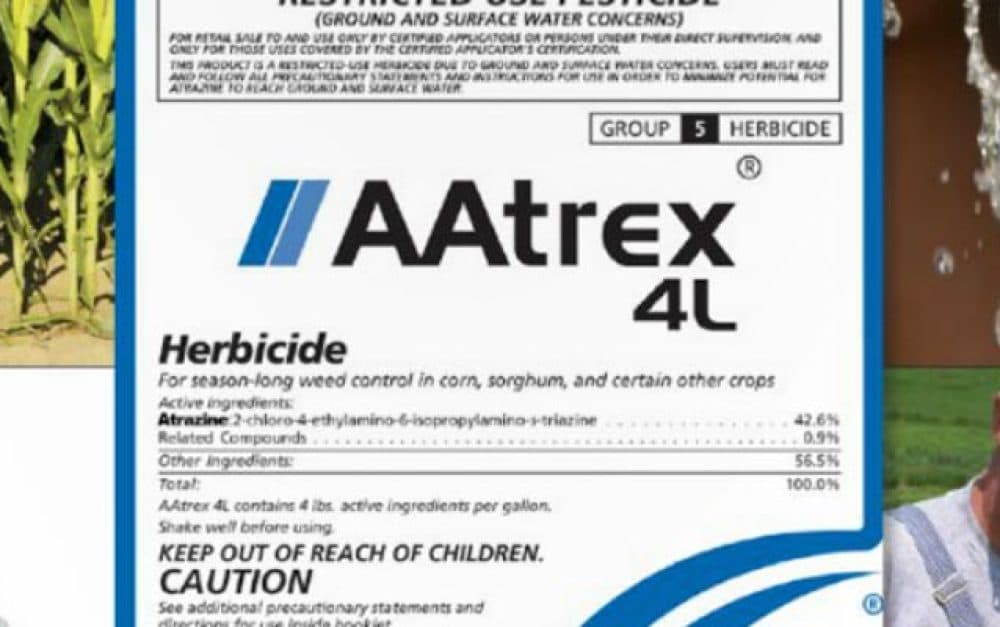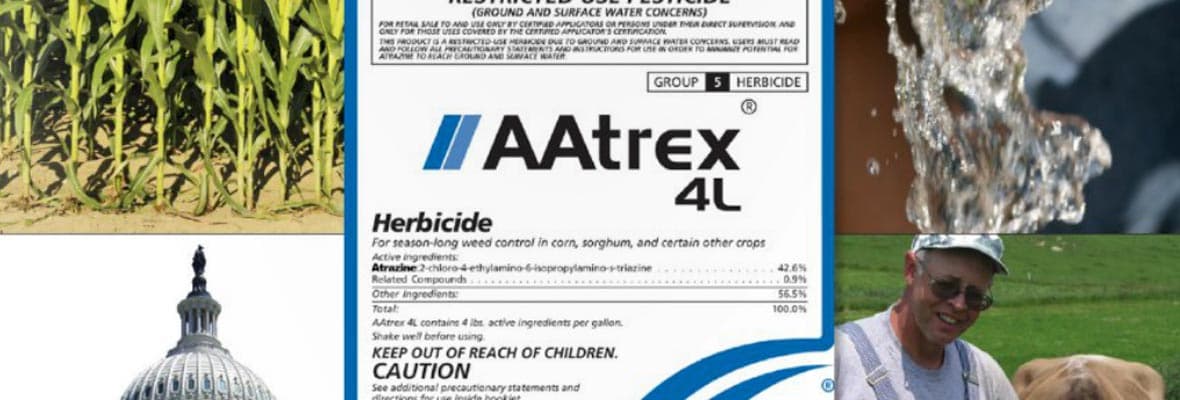
Court filings revealed Syngenta funded studies to discredit research linking atrazine herbicide to hormone disruption and attempted to silence critical scientists. Company knew about endocrine effects since 1990s.
“Atrazine is safe for human health and the environment when used according to label directions”
From “crazy” to confirmed
The Claim Is Made
This is the moment they called it crazy.
When Berkeley biologist Tyrone Hayes published research in 2010 showing that atrazine—one of the world's most widely used herbicides—was disrupting the sexual development of frogs, he became a target. Syngenta, the agrochemical giant that manufactures atrazine, didn't just disagree with his findings. Internal documents later revealed the company had systematically worked to undermine his credibility and suppress similar research that might threaten its $200 million annual atrazine revenue.
Hayes' initial discovery was straightforward but alarming. His team found that atrazine exposure caused genetic male frogs to develop female reproductive organs and reduced testosterone levels. The implications extended beyond amphibians—atrazine, a known endocrine disruptor, contaminates drinking water supplies across the agricultural heartland. Health advocates and some regulatory bodies took notice. The European Union moved toward restricting the chemical.
Syngenta's official response followed a familiar playbook. The company funded its own studies that contradicted Hayes' work. It hired public relations firms and scientists-for-hire to cast doubt on his research methodology. In the court of public opinion and regulatory agencies, the message was clear: Hayes was an outlier, his findings weren't replicable, and atrazine remained safe at current exposure levels. The company pointed to EPA approvals and decades of use as evidence of safety.
The turning point came through litigation. As part of a lawsuit settlement, Syngenta was forced to release internal documents spanning decades. These files told a different story than the company's public statements. They showed Syngenta executives knew about atrazine's hormone-disrupting potential as far back as the 1990s. The company had commissioned research specifically designed to challenge Hayes' work, cherry-picking favorable results while downplaying contradictory findings. Emails and memos revealed deliberate strategies to discredit the scientist personally rather than engage substantively with his science.
One particularly damning revelation involved Syngenta's funding of a seemingly independent review that concluded Hayes' work was flawed. The review's authors had undisclosed financial ties to the company. When confronted with these documents, the picture shifted. Hayes' research, widely dismissed during the early 2000s, was increasingly validated by independent scientists. His work became foundational to understanding endocrine disruption from agricultural chemicals.
The atrazine case matters because it demonstrates how corporate interests can weaponize the scientific process itself. By funding strategic research, hiring credible-seeming critics, and leveraging regulatory inertia, Syngenta delayed action on a genuine public health concern for years. During that time, atrazine continued contaminating water supplies and the environment remained exposed to a chemical known internally—if not publicly—to disrupt hormones.
This isn't merely a story about one herbicide or one company. It's about the architecture of doubt. When internal documents contradict public statements, when safety assurances conflict with behind-the-scenes knowledge, public trust erodes. Regulators face pressure to act on scientific consensus, but that consensus can be obscured by well-funded campaigns designed to manufacture uncertainty.
The Hayes case ultimately vindicated the scientist and exposed corporate misconduct. But it raises harder questions: How many other controversial claims might contain kernels of truth that were buried by similar tactics? And what does it take for the public to learn about them before decades of potential harm accumulate?
Get the 5 biggest receipts every week, straight to your inbox — plus an exclusive PDF: The Top 10 Conspiracy Theories Proven True in 2025-2026. No spam. No agenda. Just the papers they couldn't hide.
You just read "Syngenta Suppressed Studies Showing Atrazine Hormone Disrupt…". We send ones like this every week.
No one's said anything yet. Be the first to drop your take.