Internal tobacco industry documents revealed companies created front groups and funded studies to attack EPA's secondhand smoke research in the 1990s. They used environmental concerns as cover for protecting cigarette sales.
“Our research focuses on legitimate scientific concerns about EPA methodology and indoor air quality”
From “crazy” to confirmed
The Claim Is Made
This is the moment they called it crazy.
When the Environmental Protection Agency released its landmark 1992 report concluding that secondhand smoke posed serious health risks to non-smokers, the tobacco industry faced an existential threat. Rather than accept the science, major cigarette manufacturers did something far more calculated: they built an elaborate infrastructure to manufacture doubt about the very agency that had challenged them.
The strategy wasn't subtle in its broad strokes, but it was sophisticated in execution. Philip Morris, RJ Reynolds, and other industry giants created what appeared to be independent research organizations and environmental groups. These front groups then published studies and op-eds attacking the EPA's methodology, questioning its data, and suggesting the agency had overreached its authority. To anyone reading the newspapers or watching the debate unfold, it looked like a genuine scientific controversy with credible voices on both sides.
For years, the public had no way of knowing the truth. The tobacco companies were careful to keep their fingerprints off these operations. The groups seemed independent. The researchers appeared unbiased. The criticism looked legitimate. Journalists reported on the "debate" as if both sides held equal weight, which is exactly what the industry hoped would happen.
The turning point came through an unexpected avenue. During litigation in the 1990s and 2000s, thousands of internal tobacco industry documents were obtained and eventually made public through the Truth Tobacco Industry Documents Archive. These papers revealed the machinery behind the scenes. They showed how Philip Morris and its competitors had directly funded organizations with names like The Advancement of Sound Science Coalition and The Heartland Institute. The documents included strategy memos, funding records, and correspondence between industry executives and the researchers they were bankrolling.
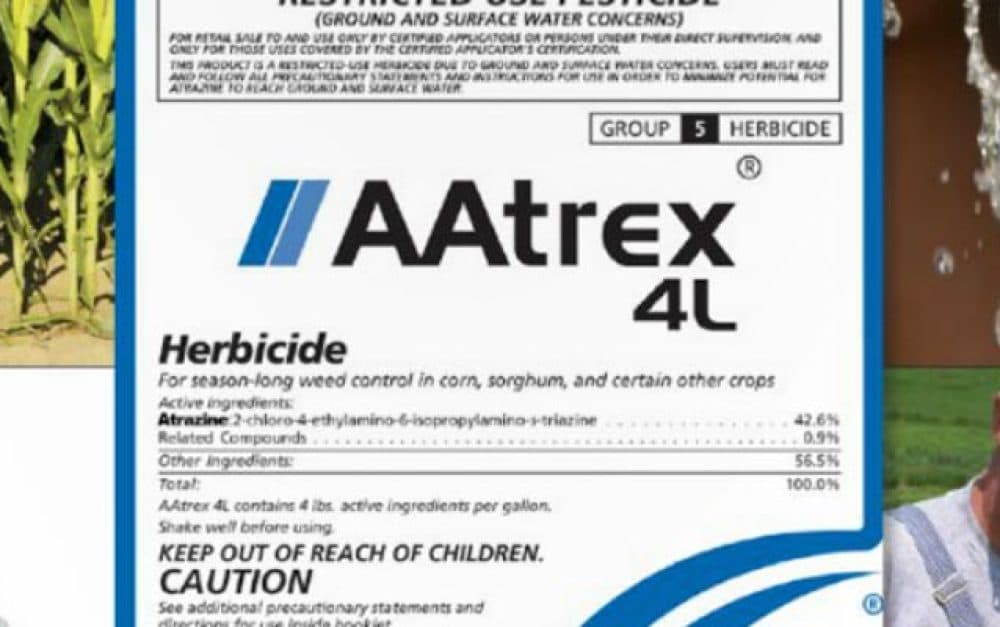
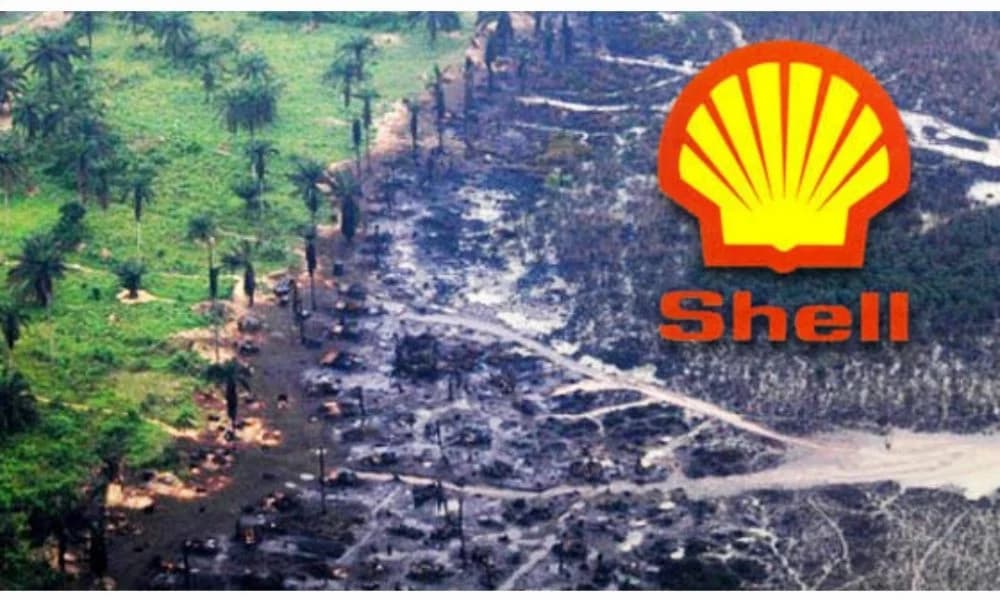
One particularly damning set of documents outlined how tobacco companies viewed environmental groups as potential allies. Industry strategists recognized that environmentalists worried about pesticides and pollution might be willing to criticize the EPA if the right arguments were presented to them. The thinking was cynical but clear: unite everyone who had grievances against the EPA, regardless of motive, and the agency's credibility would suffer.
What made this operation especially insidious was its long-term scope. The tobacco industry wasn't trying to win the debate in 1993. They were trying to delay action and create enough public confusion that regulations would be slowed, weakened, or blocked entirely. The documents show this was a conscious strategy, not an accident or misunderstanding.
The EPA's secondhand smoke findings were correct, and decades of subsequent independent research has confirmed that conclusion many times over. But the campaign had its intended effect. It delayed serious federal restrictions on smoking in public spaces. It gave politicians cover to avoid action. Most importantly, it demonstrated that a well-funded industry could successfully manufacture the appearance of scientific controversy even when the actual science was settled.
This case matters because it's not ancient history. The same playbook—creating front groups, funding sympathetic researchers, attacking regulatory agencies—has been used by other industries facing inconvenient truths. Understanding how it happened with tobacco helps us recognize when it's happening now with climate change, chemical safety, or pharmaceutical regulation. The tobacco documents remind us that when an official narrative seems to face credible opposition, it's worth asking: who's funding the opposition and why?
Get the 5 biggest receipts every week, straight to your inbox — plus an exclusive PDF: The Top 10 Conspiracy Theories Proven True in 2025-2026. No spam. No agenda. Just the papers they couldn't hide.
You just read "Tobacco Companies Funded Fake Environmental Research to Disc…". We send ones like this every week.
No one's said anything yet. Be the first to drop your take.