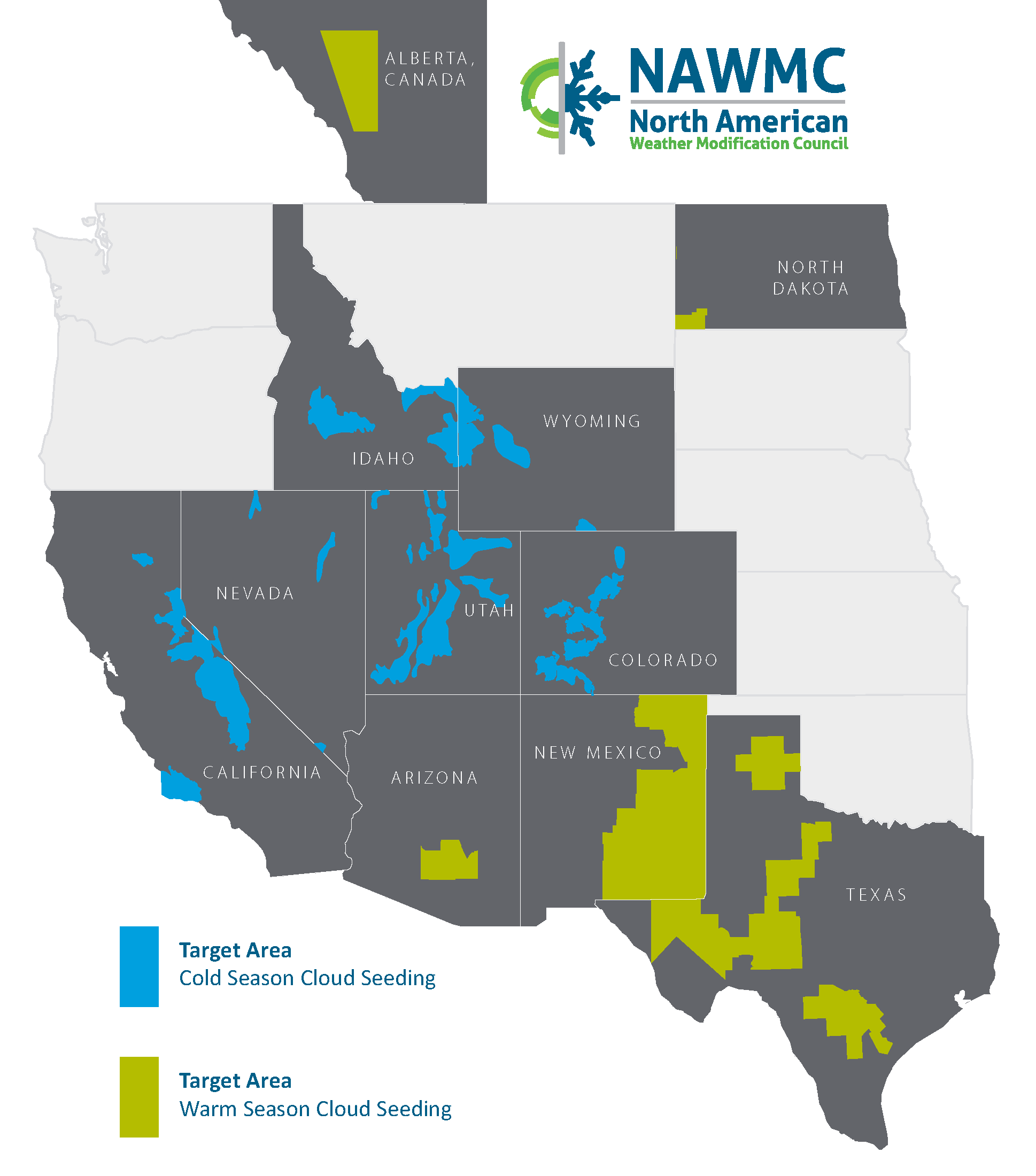
Despite decades of dismissing 'weather control' as conspiracy theory, cloud seeding is confirmed, legal, and actively practiced. Nine US states currently use cloud seeding to increase rain or snow. The Weather Modification Act of 1976 requires companies to report activities to NOAA. The SNOWIE research project provided the first 'unambiguous' evidence that cloud seeding produces winter precipitation. A 2024 GAO report estimated 0-20% additional precipitation. While HAARP-style weather weapons remain unproven, the basic premise of intentional weather modification is established government policy.
“The government is modifying the weather. They've been seeding clouds for decades and there are programs in multiple states to do this. It's not a conspiracy — it's official policy.”
From “crazy” to confirmed
The Claim Is Made
This is the moment they called it crazy.
Confirmed: They Were Right
The truth comes out. Officially documented.
Confirmed: They Were Right
The truth comes out. Officially documented.
For decades, people who talked about government weather modification faced ridicule. They were dismissed as conspiracy theorists, lumped in with claims about chemtrails and mind control. Yet today, nine U.S. states openly conduct weather modification programs, regulated by federal law, reported to NOAA, and funded with taxpayer money. The basic claim—that governments intentionally alter weather—turned out to be true.
The idea of controlling weather has old roots in American culture. But modern weather modification claims gained traction in the 1960s and 70s, when scientists began experimenting with cloud seeding. The concept is straightforward: seed clouds with particles like silver iodide to encourage precipitation. Yet when ordinary people suggested the government was doing this, institutions dismissed them. The possibility was treated as pseudoscience, not policy.
The government's response followed a predictable pattern. Officials acknowledged the science was theoretically possible but claimed they weren't actually doing it at scale. The Weather Modification Act of 1976 was passed quietly, requiring entities to report weather modification activities to NOAA. Few people noticed. The law existed, but the conversation remained: is this really happening, or is it fringe thinking?
What changed was accumulating evidence. The SNOWIE research project, conducted by the National Center for Atmospheric Research, provided what scientists called the first "unambiguous" evidence that cloud seeding produces winter precipitation. This wasn't theoretical anymore—it was measurable and repeatable. The results were published in peer-reviewed literature, not suppressed in classified files.
A 2024 Government Accountability Office report on cloud seeding technology provided additional clarity. The GAO estimated that cloud seeding could produce 0-20% additional precipitation, depending on conditions. More importantly, the report confirmed that nine states currently use cloud seeding programs. Idaho, Wyoming, Colorado, North Dakota, and others have active operations. These aren't secret programs hidden from public view—they're regulated activities with documentation trails.
The programs target legitimate problems. States use cloud seeding to increase snowpack in winter and rainfall during droughts. Farmers, water districts, and municipalities benefit from increased precipitation. The technology is imperfect and conditional; it only works when atmospheric conditions are already favorable for precipitation. But it works.
Here's what's worth examining: the gap between what was true and what was officially acknowledged. Cloud seeding has been conducted for decades, yet public discourse treated it as fantasy. People raising the question weren't entirely wrong—they were just ahead of public admission. The government didn't lie so much as it declined to discuss what it was doing until evidence became unavoidable.
This matters for public trust in several ways. First, it shows how dismissal functions as a tool. Label something conspiracy theory, and it becomes socially toxic to discuss, regardless of factual basis. Second, it reveals how government activities can operate within legal frameworks while remaining unknown to the public. The 1976 Weather Modification Act existed, but few citizens knew about it or the programs it governed.
The lesson isn't that all dismissed claims are true. But this case demonstrates why blanket dismissal of any government activity as impossible is itself unreliable. Sometimes people raising unconventional questions are tracking something real. The question shouldn't be whether to believe them uncritically, but whether we're willing to examine evidence seriously—before waiting decades for official confirmation.
Get the 5 biggest receipts every week, straight to your inbox — plus an exclusive PDF: The Top 10 Conspiracy Theories Proven True in 2025-2026. No spam. No agenda. Just the papers they couldn't hide.
You just read "Government weather modification is real: 9 US states activel…". We send ones like this every week.
No one's said anything yet. Be the first to drop your take.