“Current evidence does not establish a clear link between benzene exposure and cancer in workers”
From “crazy” to confirmed
The Claim Is Made
This is the moment they called it crazy.
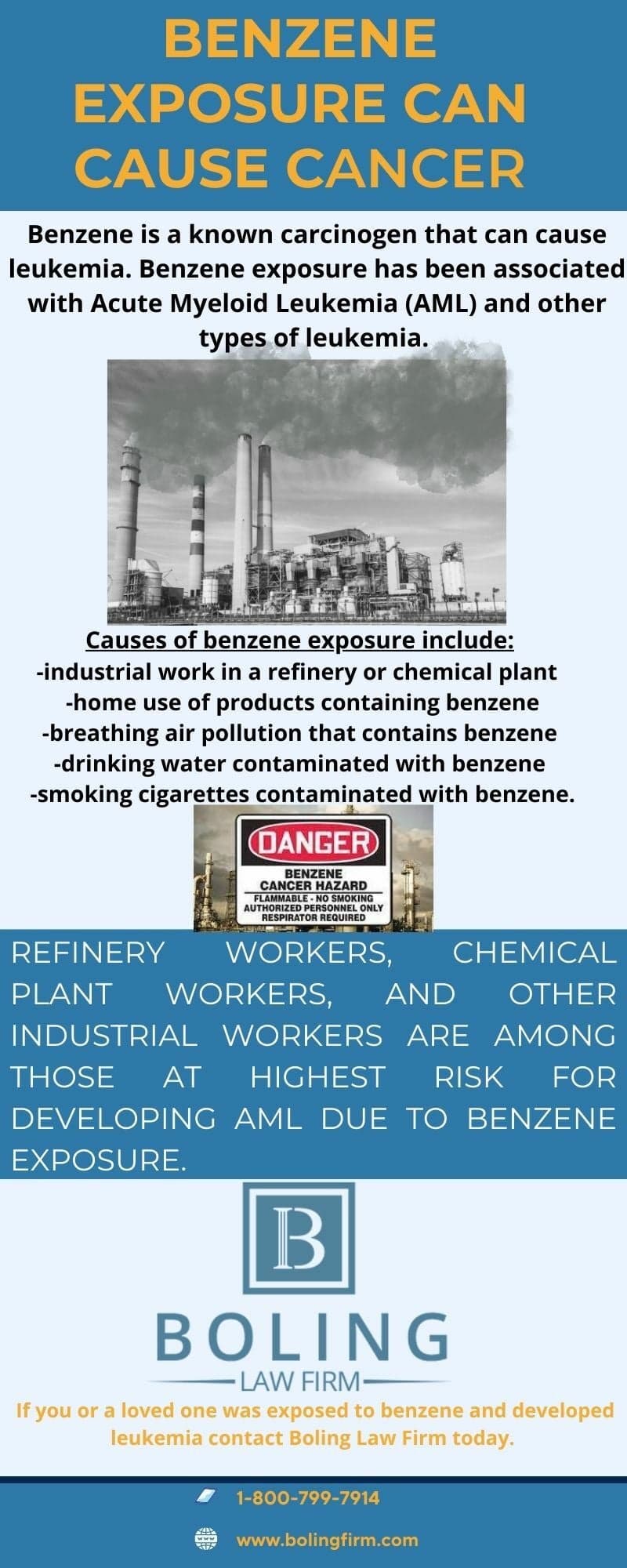
For decades, workers exposed to benzene at gas stations, refineries, and chemical plants complained of illness. Their doctors noticed leukemia clustering among certain occupational groups. The chemical industry's response was consistent: there was no proven link between benzene and cancer. That official position held steady through the 1950s, 60s, and 70s, even as workers died.
What emerged later, through legal discovery and investigative reporting, suggested something darker. Industry documents showed that major chemical companies—particularly those coordinated through the American Petroleum Institute—had known about benzene's carcinogenic properties far earlier than publicly admitted. The evidence pointed to suppression, not ignorance.
The trail began in 1948, when early research started connecting benzene exposure to leukemia. Rather than publicize these findings or fund independent verification, the industry took a different approach. Internal communications revealed that companies discussed the research privately while maintaining public skepticism about any causative link. The American Petroleum Institute, which represented major oil and chemical producers, became the focal point for coordinating a strategy that emphasized uncertainty in the scientific record.
For years, the industry's public position held. Workers' compensation claims were denied. Regulatory agencies cited insufficient evidence. Medical professionals remained divided because the alternative research—the kind that might have settled the question—often went unfunded or unpublished. The playing field tilted toward those who could afford to shape the conversation.
The turning point came through litigation and archival research. When lawyers began obtaining internal industry documents as part of product liability cases, the picture shifted dramatically. Environmental Health Perspectives and other peer-reviewed journals published detailed analyses showing that companies had possessed data linking benzene to cancer decades before they acknowledged the danger. These weren't speculative concerns—they were documented observations that contradicted the public denials.
The significance of this case extends beyond benzene itself. It demonstrated a repeatable pattern: identify a profitable product, monitor evidence of harm in private, maintain public uncertainty, coordinate industry messaging, and delay regulatory action for as long as possible. The financial incentive to continue selling benzene outweighed, in corporate calculations, the human cost of occupational cancer.
What makes this claim particularly important for public trust is the timeline. Workers were dying of leukemia in the 1950s and 60s while companies possessed knowledge that might have prompted workplace protections. Regulations on benzene exposure weren't meaningfully tightened until the 1970s and 80s—decades after the industry knew. Those decades represented millions of workplace exposures that might have been prevented with earlier honesty.
This case also illustrates why documented proof matters more than accusations. The claims about industry knowledge remained speculative until internal documents surfaced. That evidence transformed the narrative from "workers versus corporations" into something more concrete: a documented pattern of institutional deception with measurable human consequences.
Today, when new chemicals enter widespread use or when occupational health questions arise, this history serves as a cautionary reference point. It reminds us to ask not just what companies publicly claim, but what they know privately. The benzene cover-up suggests that skepticism toward industry claims about product safety—paired with demands for transparent research—isn't paranoia. It's learned caution based on documented precedent.
Get the 5 biggest receipts every week, straight to your inbox — plus an exclusive PDF: The Top 10 Conspiracy Theories Proven True in 2025-2026. No spam. No agenda. Just the papers they couldn't hide.
You just read "Chemical Industry Suppressed Benzene Cancer Research Since 1…". We send ones like this every week.
No one's said anything yet. Be the first to drop your take.