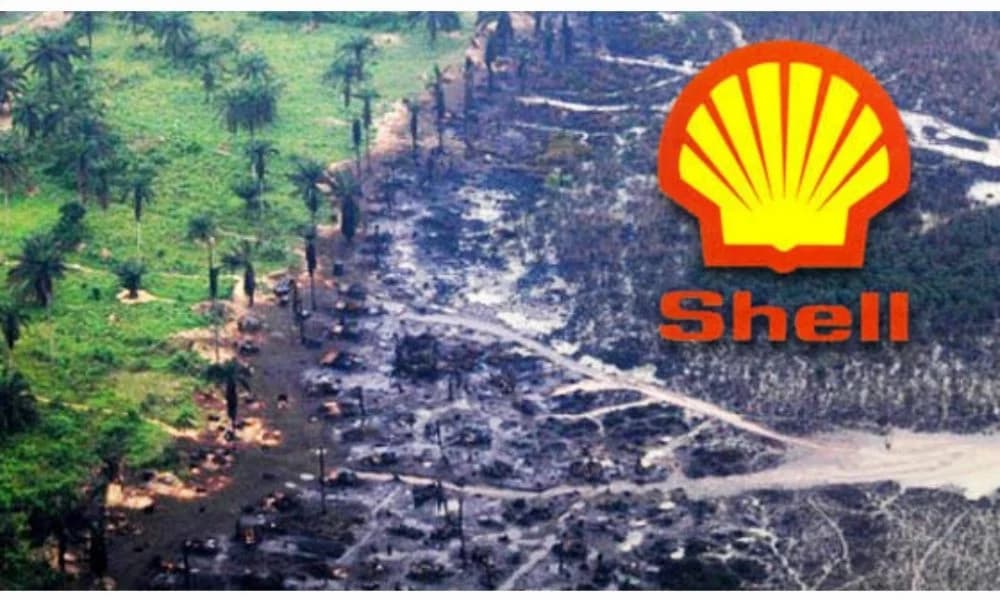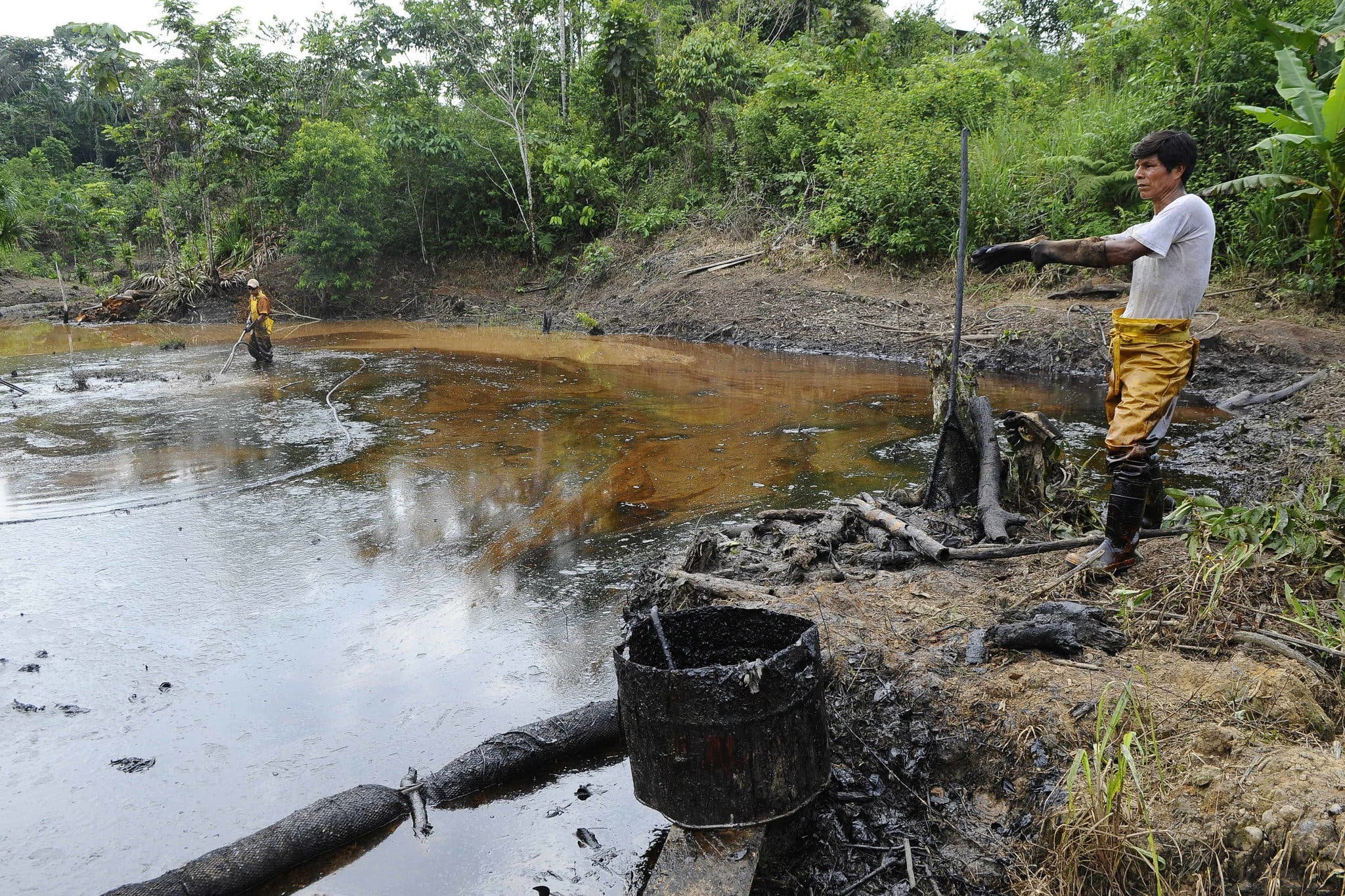
Texaco (acquired by Chevron) dumped 16 billion gallons of toxic waste in Ecuador's rainforest from 1964-1990. Company denied responsibility while internal documents showed awareness of contamination.
“Texaco conducted operations in full compliance with Ecuadorian law and industry standards”
From “crazy” to confirmed
The Claim Is Made
This is the moment they called it crazy.
For decades, indigenous communities in Ecuador's Amazon rainforest reported alarming health problems: cancer clusters, birth defects, and contaminated water supplies. When they traced the source to Texaco's oil operations, the company's response was categorical: the environmental damage wasn't their fault, the health claims were unproven, and the community's accusations were exaggerated.
The facts on the ground told a different story.
Between 1964 and 1990, Texaco operated oil fields across Ecuador's northeastern region, extracting crude from beneath rainforest that had sustained indigenous populations for centuries. During three decades of operations, the company dumped approximately 16 billion gallons of toxic waste directly into the environment—a figure that wasn't widely known outside the affected region for many years. Local communities living downstream from drilling sites reported that their water had turned black, their fish died, and their children fell ill with unexplained ailments.
When indigenous groups and environmental advocates began demanding accountability in the 1990s, Texaco dismissed the claims with corporate boilerplate. The company argued that its operations met Ecuadorian environmental standards of the time, that proper disposal methods had been followed, and that any contamination came from other sources. They suggested the communities' health problems were unrelated to oil extraction. It was a familiar corporate script: deny, deflect, and demand more proof.
What happened next demonstrated a principle that repeats throughout history: companies rarely destroy their own internal communications. When legal proceedings finally compelled Texaco to release internal documents, they revealed something the company had carefully hidden from public view. Chevron—which had acquired Texaco in 2001—had known about the contamination for years. The company's own reports documented the extensive environmental damage. Engineers and managers had assessed the situation and understood the scale of the problem. Despite this knowledge, the company had chosen to continue operations without implementing adequate safeguards or informing affected communities about the risks they faced.
Get the 5 biggest receipts every week, straight to your inbox — plus an exclusive PDF: The Top 10 Conspiracy Theories Proven True in 2025-2026. No spam. No agenda. Just the papers they couldn't hide.
You just read "Chevron Covered Up Ecuador Oil Contamination That Poisoned I…". We send ones like this every week.
No one's said anything yet. Be the first to drop your take.
The internal evidence was damning because it proved this wasn't negligence born from ignorance. It was negligence born from choice. Texaco knew. It documented what it knew. And it proceeded anyway.
By the time the full scope of the contamination became public through litigation and investigation, tens of thousands of people had been exposed. Studies documented elevated rates of cancer and other serious illnesses in affected communities far exceeding regional averages. The rainforest itself bore scars that would take generations to heal, if they ever would.
This case matters beyond its specific facts. It demonstrates how institutional power can obscure truth for decades while vulnerable populations bear the costs. It shows why internal corporate communications matter more than public statements. It illustrates that when companies say "we didn't know," they often mean "we successfully concealed what we knew."
For indigenous communities in Ecuador, verification came too late to prevent the harm. But the case stands as documentation that their original claims were legitimate all along. They weren't exaggerating. They weren't mistaken. And they weren't believed until the company's own secrets were forced into daylight.
That delay—between when people first reported the truth and when institutions finally acknowledged it—is the actual scandal worth remembering.
Beat the odds
This had a 2.6% chance of leaking — someone talked anyway.
Conspirators
~200Network
Secret kept
33 years
Time to 95% exposure
500+ years