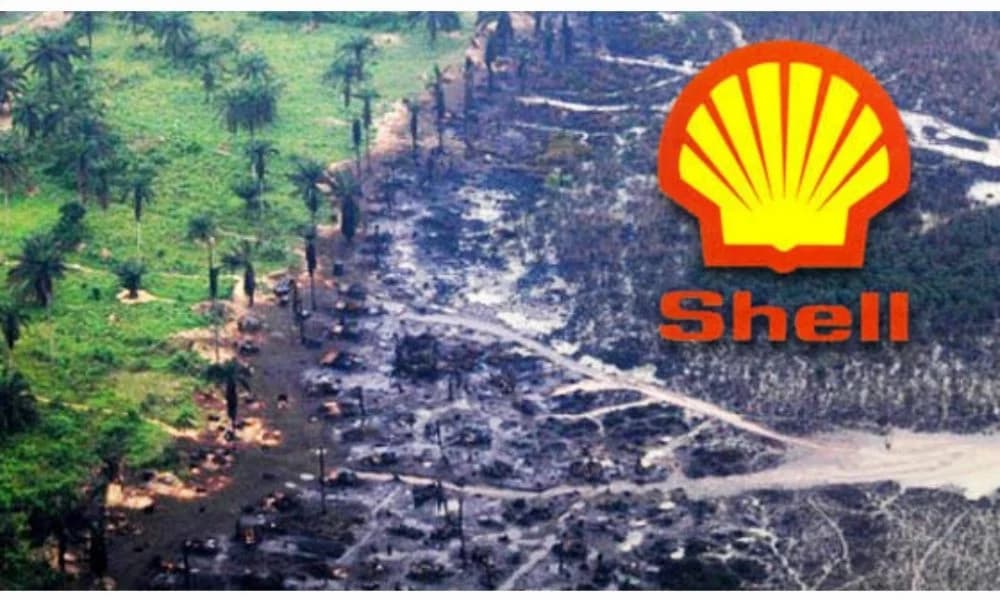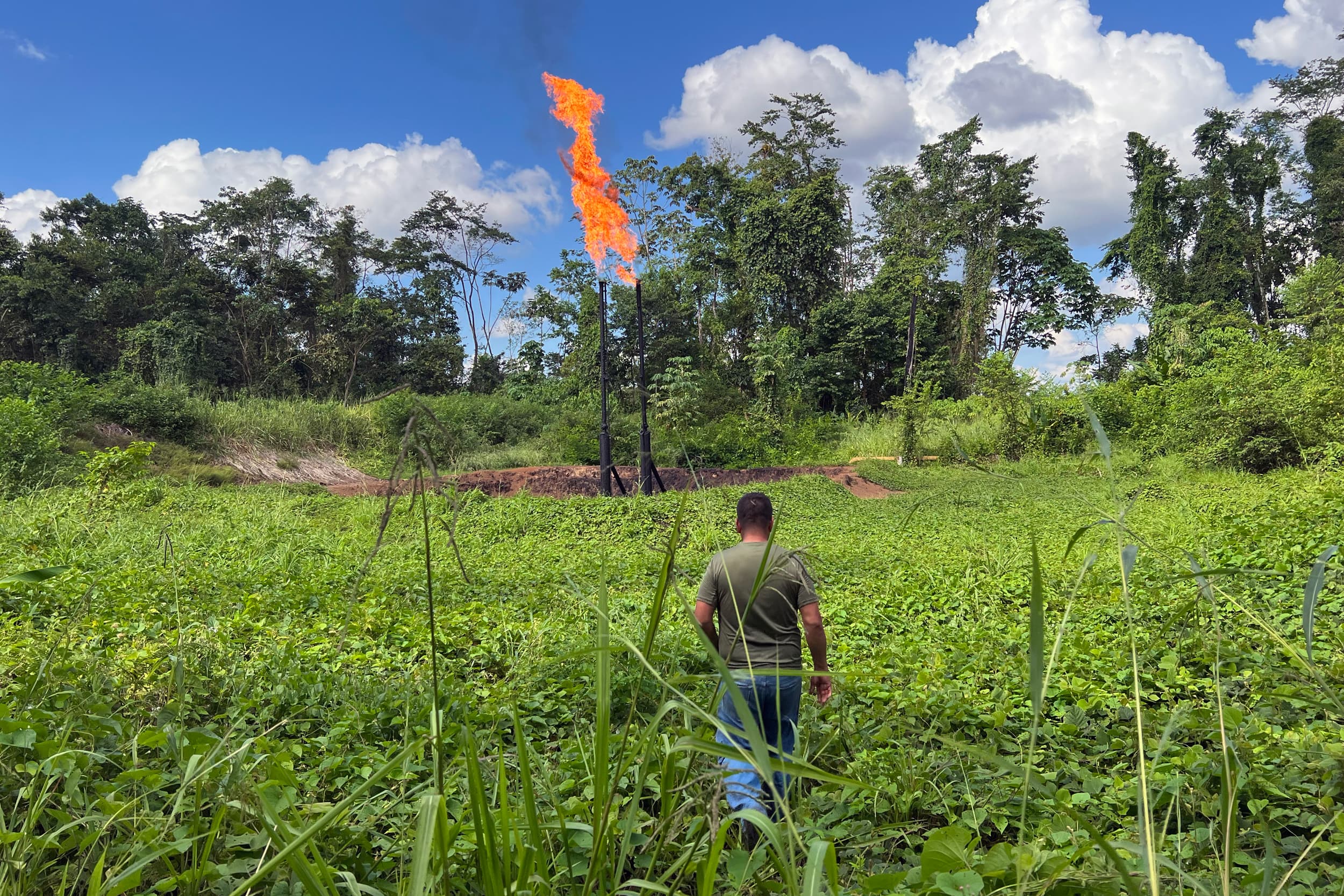
From 1964-1992, Texaco (later acquired by Chevron) dumped approximately 16 billion gallons of toxic wastewater and 17 million gallons of crude oil into the Ecuadorian Amazon. Local communities suffered dramatically increased cancer rates. An Ecuadorian court ordered Chevron to pay $9.5 billion, but Chevron refused to pay and instead pursued a RICO case against attorney Steven Donziger, who was disbarred and placed under house arrest for over two years in an unprecedented legal campaign.
“Texaco/Chevron poisoned the Amazon rainforest and its indigenous communities for decades. They're now using the legal system to destroy anyone who holds them accountable.”
What they said vs. what the evidence shows
“Texaco fully remediated its share of environmental responsibility in Ecuador. The judgment was obtained through fraud and corruption.”
— Chevron Corporate Communications · Feb 2011
SourceFrom “crazy” to confirmed
The Claim Is Made
This is the moment they called it crazy.
For nearly three decades, Texaco operated in Ecuador's Amazon with minimal oversight, extracting oil while leaving behind a toxic legacy that would eventually poison an entire region and spark one of the most contentious environmental lawsuits in modern history.
The claim was straightforward: between 1964 and 1992, Texaco deliberately dumped approximately 16 billion gallons of toxic wastewater and 17 million gallons of crude oil directly into Ecuador's rainforest. Communities living near the drilling sites reported dramatically elevated cancer rates, skin diseases, and birth defects. Local activists and environmental groups demanded accountability, but Texaco dismissed the allegations as exaggerated and unfounded.
The company's position was consistent with industry practice at the time. Texaco argued that its operations met Ecuadorian regulations and that any environmental damage was minimal or unavoidable. When questions arose, the company maintained that its practices were standard for oil exploration and that local health problems had multiple potential causes unrelated to their activities. This response persisted even as evidence accumulated from independent researchers and affected communities.
What changed the equation was methodical documentation. Environmental researchers, working with local communities, mapped contamination patterns in soil and water. Independent toxicologists analyzed samples and found concentrations of heavy metals and hydrocarbons far exceeding safe levels. Medical studies documented the clustering of cancers in areas closest to drilling sites—patterns too consistent with proximity to be coincidental. The evidence wasn't circumstantial speculation; it was systematic, peer-reviewed, and difficult to dismiss.
An Ecuadorian court took the evidence seriously. In 2011, after years of litigation, the court ordered Chevron (which had acquired Texaco in 2001) to pay $9.5 billion in damages to affected communities. The ruling represented formal acknowledgment that the dumping had occurred and caused measurable harm.
Get the 5 biggest receipts every week, straight to your inbox — plus an exclusive PDF: The Top 10 Conspiracy Theories Proven True in 2025-2026. No spam. No agenda. Just the papers they couldn't hide.
You just read "Chevron (Texaco) deliberately dumped billions of gallons of …". We send ones like this every week.
No one's said anything yet. Be the first to drop your take.
But what happened next revealed the actual power dynamics at play. Chevron refused to pay. Instead of accepting the judgment, the company launched an aggressive counteroffensive against Steven Donziger, the American attorney who had led the case for Ecuadorian plaintiffs. Chevron pursued a RICO racketeering case against Donziger, arguing that he had orchestrated fraud. In 2022, Donziger was disbarred. He spent over two years under house arrest, an extraordinary punishment that The Intercept documented as part of what appeared to be a concerted campaign to discredit both the lawyer and the verdict itself.
The significance of this case extends beyond one corporation's environmental record. It reveals how even when claims are substantiated by courts, evidence, and affected communities, power imbalances can prevent meaningful consequences. Chevron's legal strategy—attacking the messenger rather than addressing the message—succeeded in delaying payment and undermining public attention to the original harm.
This matters because it demonstrates that verification of a harmful claim doesn't guarantee accountability. The Texaco dumping in Ecuador is now documented fact, confirmed by courts and evidence. Yet the primary victims remain uncompensated, and the company's counter-litigation campaign has become a cautionary tale about the cost of seeking justice against multinational corporations. Public trust depends not just on truth emerging, but on that truth leading to actual consequences.
Beat the odds
This had a 2.6% chance of leaking — someone talked anyway.
Conspirators
~200Network
Secret kept
32.5 years
Time to 95% exposure
500+ years