DuPont knew C8/PFOA caused cancer and birth defects since 1961 but continued production. Company studies showed contamination but publicly claimed the chemical was safe.
“C8 is safe for workers and communities at current exposure levels”
From “crazy” to confirmed
The Claim Is Made
This is the moment they called it crazy.
DuPont manufactured a chemical called PFOA—also known as C8—that made non-stick cookware and water-resistant fabrics possible. For decades, the company knew this chemical was poisoning people. The question wasn't whether they knew. The question was how long they let it happen anyway.
The timeline is damning. Internal DuPont studies dating back to 1961 showed that PFOA caused cancer and birth defects in laboratory animals. By the 1970s, the company had evidence the chemical was accumulating in human blood. Yet DuPont continued manufacturing PFOA at massive scale, and continued assuring regulators and the public that their chemical was safe.
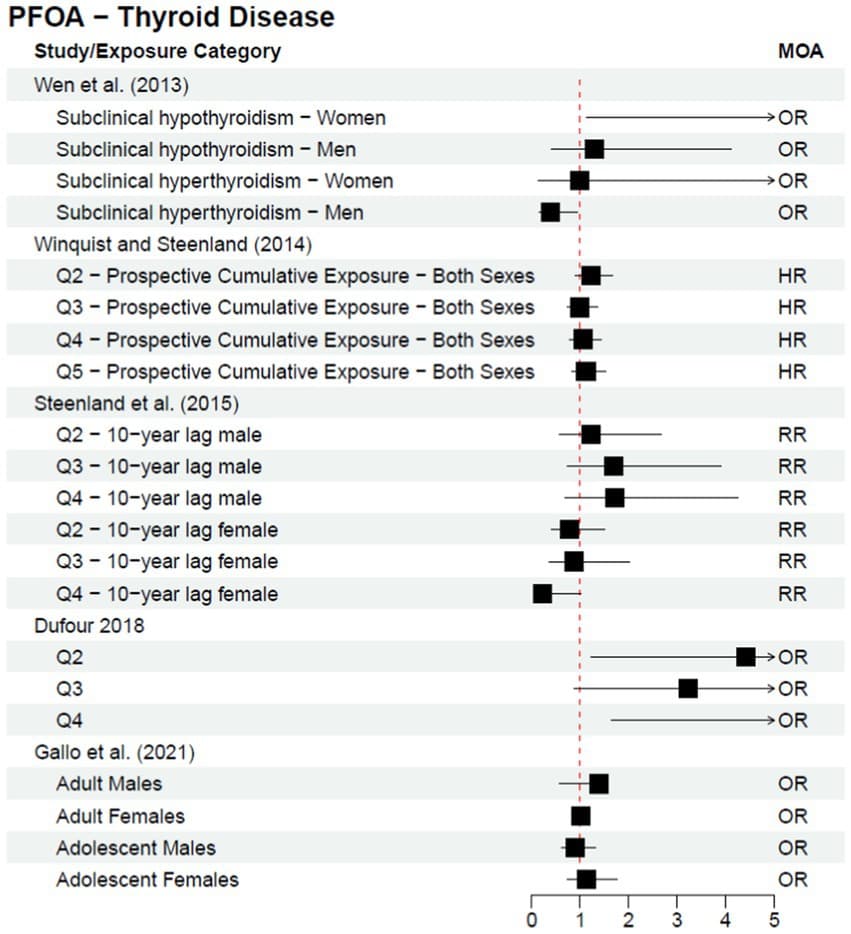
The contamination was staggering. DuPont's Washington Works plant in West Virginia had been dumping PFOA into local water supplies for fifty years. Residents who drank the water developed kidney cancer, testicular cancer, thyroid disease, and had children born with severe birth defects. Many didn't know why they were sick. DuPont made sure they wouldn't find out easily.
When questioned by regulators, DuPont downplayed the risks. The company conducted its own studies but buried findings that contradicted the safe narrative. Internal communications revealed that executives discussed health concerns in private while maintaining a different story publicly. This wasn't negligence. This was strategy.
The evidence emerged through lawsuits. Court documents filed in federal court revealed 's own research—research the company had kept hidden from health authorities. Memos showed scientists at the company flagged serious health concerns as early as the 1960s. One study found PFOA in the blood of virtually all employees at the plant, and in the blood of nearby residents. DuPont knew. They measured it. They monitored it. They said nothing.
Get the 5 biggest receipts every week, straight to your inbox — plus an exclusive PDF: The Top 10 Conspiracy Theories Proven True in 2025-2026. No spam. No agenda. Just the papers they couldn't hide.
You just read "DuPont Concealed PFOA Cancer Link While Contaminating Water …". We send ones like this every week.
No one's said anything yet. Be the first to drop your take.
By 2001, when DuPont finally notified the EPA about PFOA contamination, the damage was already done. Thousands of people had been exposed. The company eventually settled a class-action lawsuit for $670 million in 2017, one of the largest environmental settlements in U.S. history. But the settlement came only after decades of litigation and only because internal documents couldn't be denied.
What makes this case significant isn't just the scale of contamination or the number of people harmed. It's that a major corporation with resources, scientists, and access to health data actively chose to conceal what it knew. This wasn't a case of outdated science or unclear risks. DuPont had clear evidence and made clear decisions.
This matters because it reveals how corporate accountability actually works in America. Companies can sit on damaging information for years while people get sick. Regulators can be kept in the dark. The public can be systematically misled. And even when the truth emerges, the consequences often come too late for those already harmed.
The DuPont case shows why vigilance matters. It shows why we should be skeptical when corporations claim their products are safe while refusing independent scrutiny. And it reminds us that sometimes the most dangerous conspiracy isn't hidden in shadows. Sometimes it's hidden in corporate files, protected by lawyers, waiting for a brave whistleblower or determined litigator to bring it to light.
Beat the odds
This had a 3.5% chance of leaking — someone talked anyway.
Conspirators
~200Network
Secret kept
44.8 years
Time to 95% exposure
500+ years