Leaked Shell documents from 1990s-2000s revealed the company systematically underreported oil spills in Nigeria's Niger Delta while publicly blaming sabotage for environmental contamination affecting local communities.
“The majority of oil spills in Nigeria are caused by theft, sabotage, and illegal refining activities, not operational failures”
From “crazy” to confirmed
The Claim Is Made
This is the moment they called it crazy.
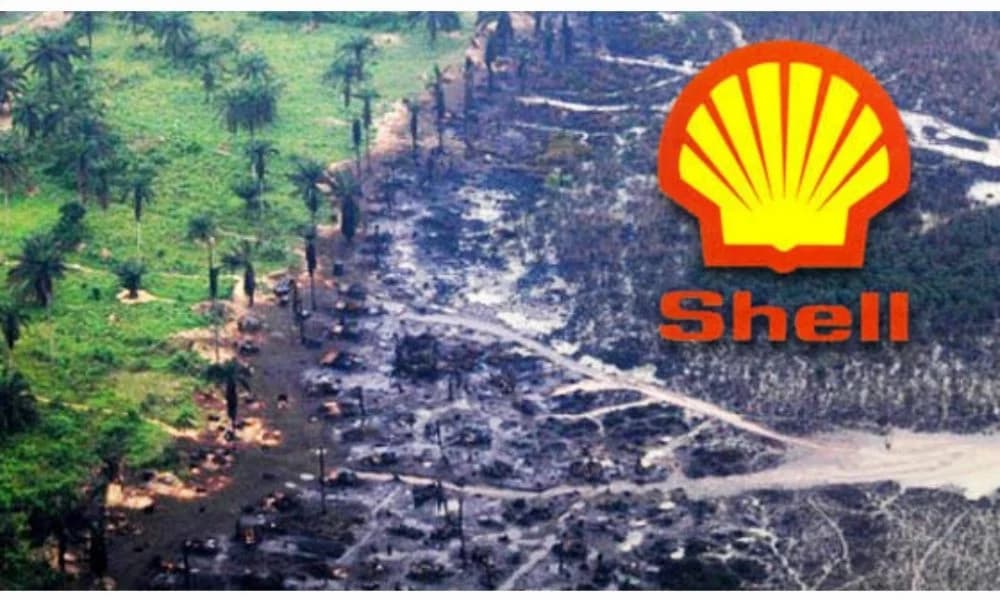
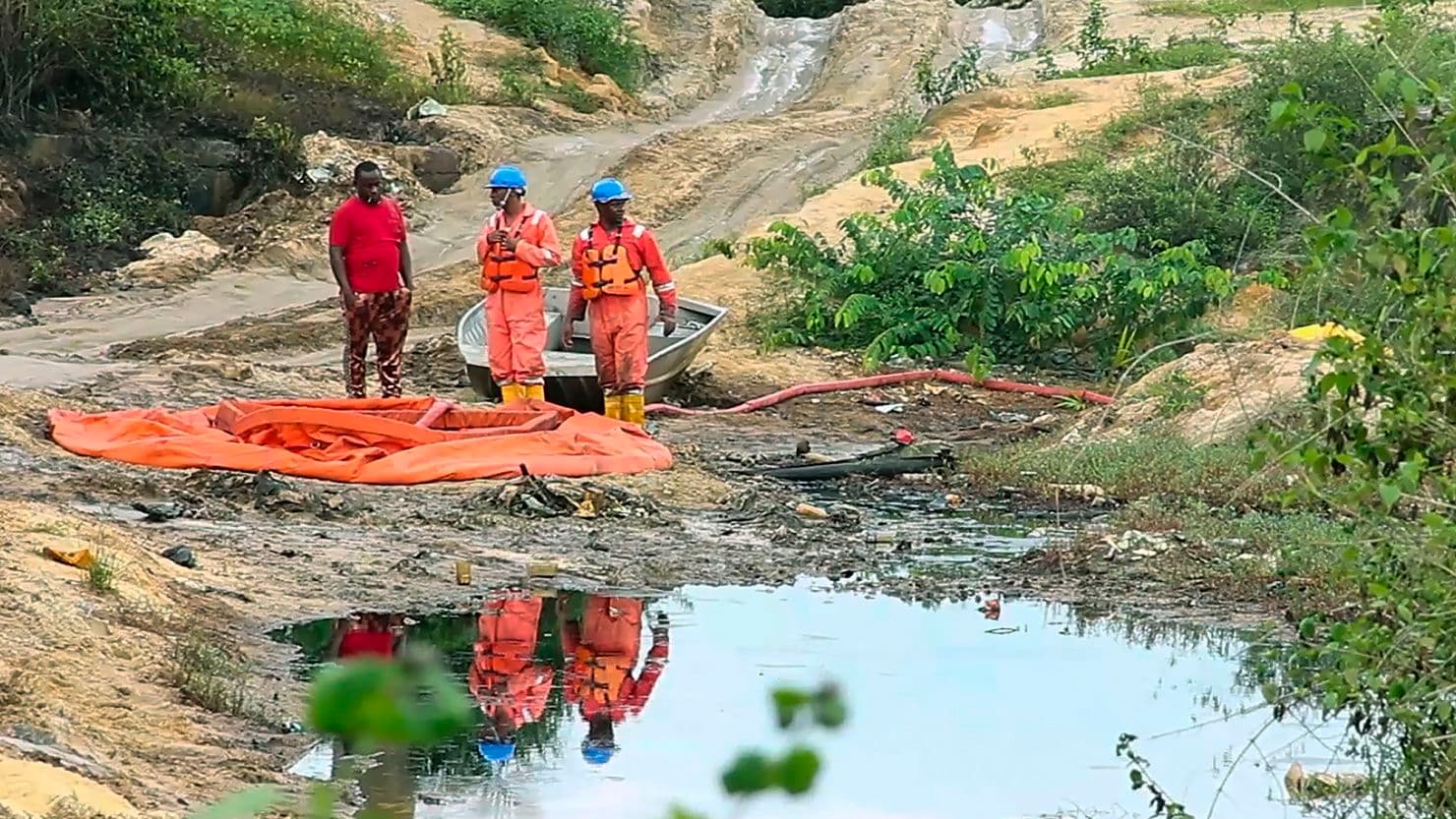
For decades, Shell Oil maintained a consistent story about environmental damage in Nigeria's Niger Delta: the company wasn't responsible. When massive oil spills contaminated waterways and destroyed farmland, Shell blamed sabotage and theft by criminal networks stealing crude from its pipelines. Local communities saw their fishing grounds destroyed and crops fail, while the company's public statements suggested the environmental disaster was largely out of their control.
This narrative held for years, shaping how international media, governments, and investors understood the Niger Delta's environmental crisis. Shell's argument was technically plausible—pipeline theft is real in the region—and the company had resources to ensure its version of events reached global audiences. Meanwhile, Nigerian communities affected by the spills had limited platforms to challenge the multinational corporation's claims.
But leaked internal Shell documents from the 1990s and 2000s told a radically different story. According to an Amnesty International investigation based on these documents, Shell knew far more about the spills than it publicly acknowledged. The leaked materials revealed that the company had systematically underreported the volume and frequency of oil spills in Nigeria while simultaneously downplaying their environmental impact in external communications and government reports.
The evidence was damning in its specificity. Internal Shell assessments acknowledged that operational failures, inadequate maintenance, and aging infrastructure were major contributors to spills—not just criminal sabotage. The documents showed that Shell's own scientists and engineers had documented extensive environmental contamination that contradicted the company's public minimization of the problem. In some cases, Shell's internal reports estimated spill volumes that were dramatically higher than figures the company reported to Nigerian regulators and international bodies.
Get the 5 biggest receipts every week, straight to your inbox — plus an exclusive PDF: The Top 10 Conspiracy Theories Proven True in 2025-2026. No spam. No agenda. Just the papers they couldn't hide.
You just read "Shell Oil Covered Up Nigeria Pipeline Spills and Environment…". We send ones like this every week.
No one's said anything yet. Be the first to drop your take.
What made this discovery particularly significant was the timing and systematic nature of the cover-up. This wasn't a one-time miscommunication or an isolated incident of negligence. The leaked documents spanned years and came from multiple departments within Shell's Nigeria operations, suggesting an organizational pattern of underreporting rather than individual error.
The Amnesty International report, which synthesized these leaked documents with additional investigations, provided the comprehensive evidence needed to shift the narrative. Suddenly, the story wasn't about theft and sabotage as primary causes—it was about a major oil company prioritizing its public image and financial interests over transparency about environmental destruction affecting vulnerable populations.
This matters because it illustrates how power imbalances shape what gets accepted as truth. Shell had the resources to make its version of events stick globally, while affected Nigerian communities lacked equivalent platforms to challenge those claims. The company's credibility, built on decades of corporate communications and strategic partnerships, created a presumption of reliability that persisted even as evidence contradicted its statements.
The documented evidence of Shell's cover-up raises fundamental questions about corporate accountability and environmental reporting standards. It reveals why skepticism toward corporate environmental claims isn't cynicism—it's justified caution based on documented patterns. When companies have financial incentives to underreport environmental damage, and when those companies operate in countries with limited regulatory oversight, the burden of proof shifts. Transparency becomes not a courtesy but a necessity.
Beat the odds
This had a 1.3% chance of leaking — someone talked anyway.
Conspirators
~200Network
Secret kept
16.3 years
Time to 95% exposure
500+ years