From 1964-1992, Texaco (later Chevron) dumped 18 billion gallons of toxic wastewater in Ecuador's Amazon while denying environmental damage that contaminated indigenous communities' water supplies.
“Our operations in Ecuador met or exceeded all applicable environmental standards and caused no significant environmental impact”
From “crazy” to confirmed
The Claim Is Made
This is the moment they called it crazy.
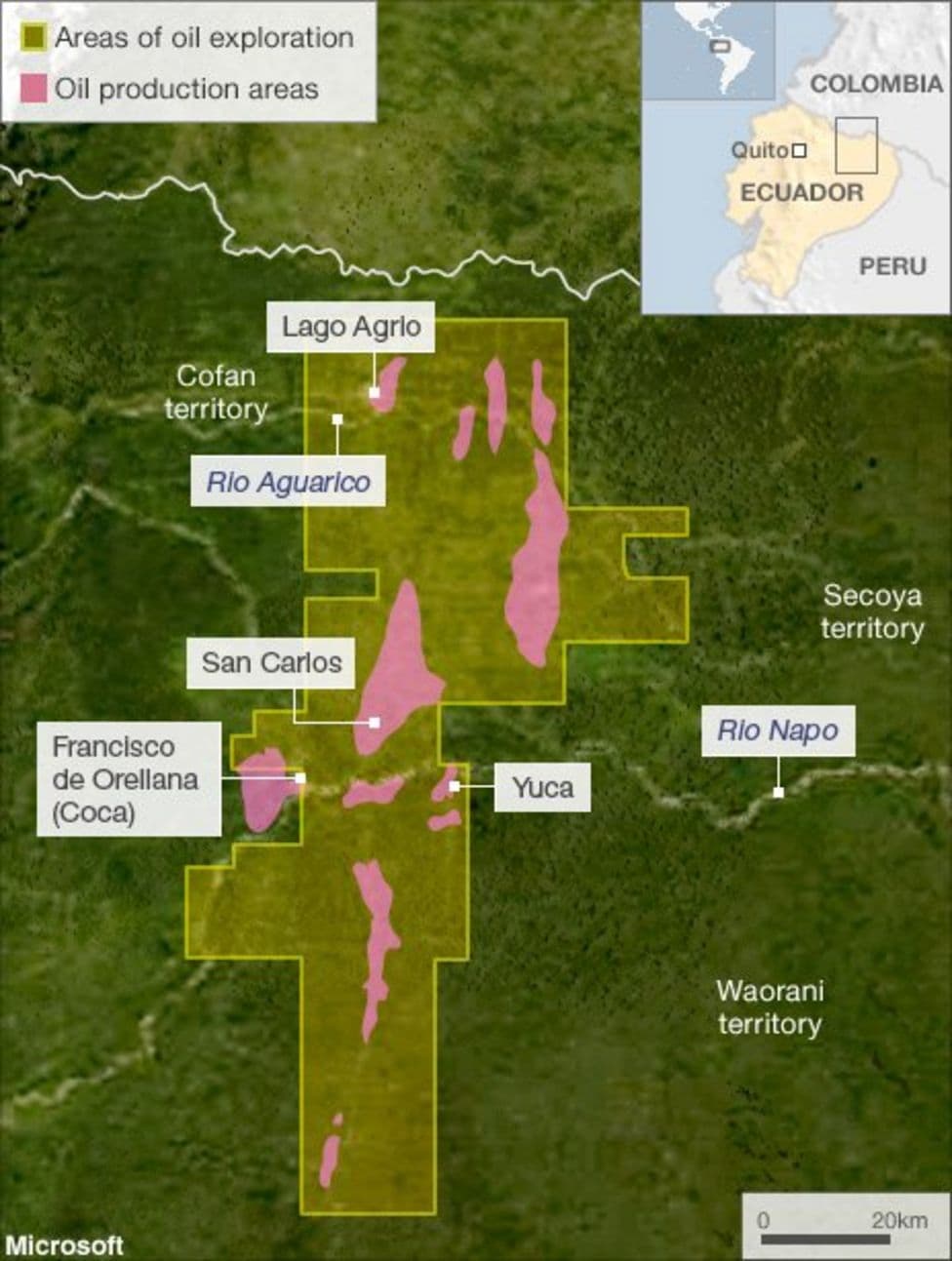
Between 1964 and 1992, Texaco operated oil fields across the Ecuadorian Amazon with virtually no environmental oversight. What happened there stayed hidden from public view for decades—until indigenous communities began getting sick and independent researchers started asking uncomfortable questions.
The claim was straightforward but massive in scope: Texaco had deliberately dumped approximately 18 billion gallons of toxic wastewater directly into the rainforest and local waterways, knowing full well it would contaminate the water supplies of indigenous Cofán, Sécoya, and Kichwa communities. They allegedly covered this up while repeatedly denying any significant environmental damage had occurred.
When the story first emerged in the 1990s, Texaco's response was denial wrapped in corporate bureaucracy. The company insisted its operations met Ecuador's environmental standards at the time and that any contamination was minimal or the responsibility of the Ecuadorian government. Internal documents suggested the company had conducted environmental assessments, but these were either not made public or downplayed their findings. Texaco maintained this position even as communities reported health problems, dead fish in their water sources, and soil degradation across their territories.
What changed everything was documentation. The Business & Human Rights Resource Centre compiled evidence showing that Texaco had indeed conducted internal environmental studies that contradicted their public statements. Samples from affected areas revealed benzene, toluene, and other carcinogenic compounds at levels far exceeding safe drinking water standards. Former employees and company records indicated that dumping toxic wastewater was standard practice, not an accident or misunderstanding.
Get the 5 biggest receipts every week, straight to your inbox — plus an exclusive PDF: The Top 10 Conspiracy Theories Proven True in 2025-2026. No spam. No agenda. Just the papers they couldn't hide.
You just read "Chevron Covered Up Ecuador Rainforest Contamination for Two …". We send ones like this every week.
No one's said anything yet. Be the first to drop your take.
Medical studies conducted on indigenous populations in the affected regions showed elevated rates of cancer and other illnesses consistent with long-term exposure to petroleum contamination. Soil and water testing by independent scientists confirmed the presence of toxic residue decades after Texaco left Ecuador in 1992. The scale was undeniable: an estimated 18 billion gallons of wastewater had been released into an ecosystem serving as the primary water source for thousands of people.
Chevron, which acquired Texaco in 2001, inherited both the company and its liabilities. For years, the corporation disputed claims and fought legal battles in Ecuador and the United States, arguing that the Ecuadorian government bore responsibility for environmental oversight. However, evidence from company archives and witness testimony painted a different picture—one of a corporation that prioritized profits over the health of vulnerable populations in a developing nation.
This case matters because it illustrates how large corporations can operate with minimal accountability in countries with weaker regulatory frameworks, and how the truth can be obscured for decades. It shows why skepticism toward corporate environmental claims is justified, particularly when companies have financial incentives to minimize acknowledged harm.
The Texaco-Ecuador case also reveals something deeper about institutional trust. When communities reported problems, they were dismissed or ignored. When independent researchers presented evidence, it took years to gain traction. The verified contamination wasn't a surprise to the company—it was simply something they calculated they could deny until the cost of admission became unavoidable. Understanding this case helps explain why people question official narratives about environmental and corporate conduct.
Beat the odds
This had a 2.6% chance of leaking — someone talked anyway.
Conspirators
~200Network
Secret kept
33 years
Time to 95% exposure
500+ years