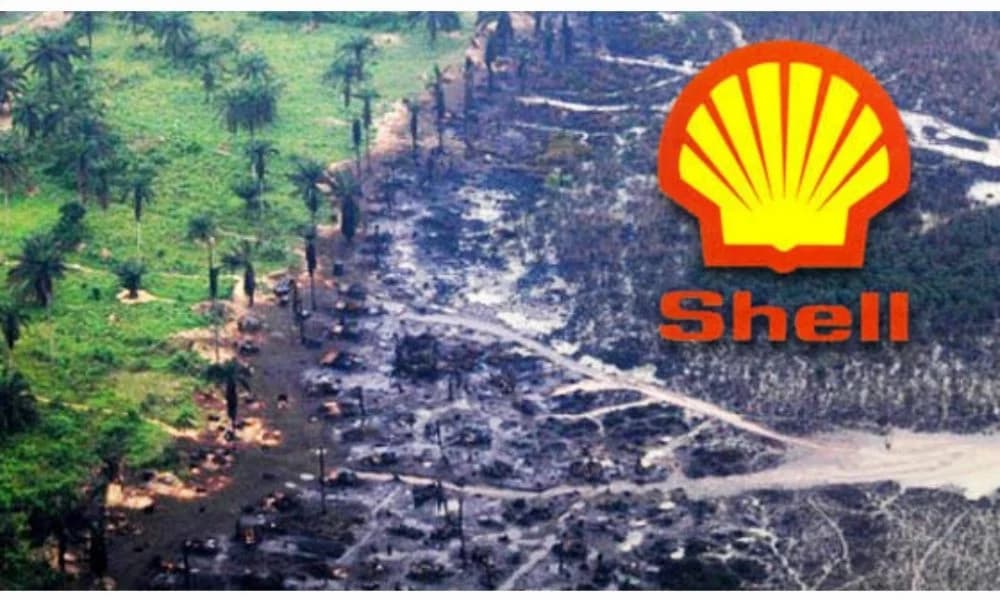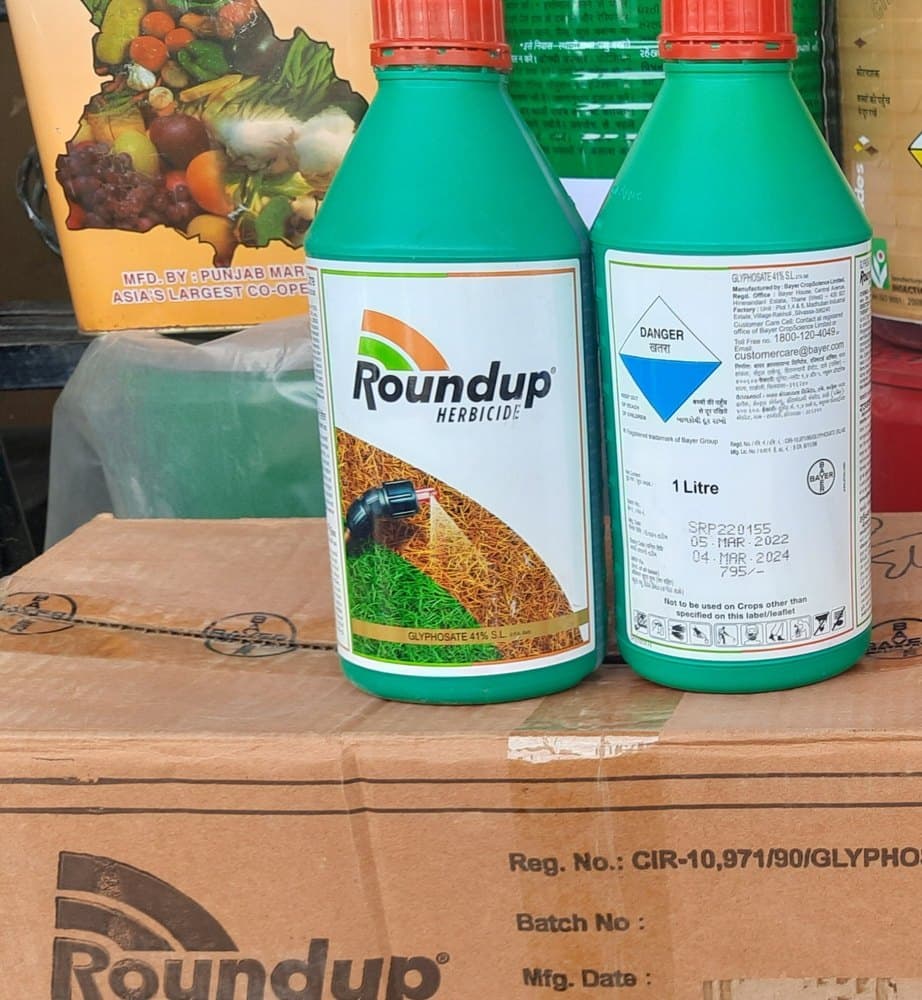
EWG testing found glyphosate in every sample of popular oat-based cereals marketed to children. Water samples showed contamination up to 5000x above maximum residue limits. The herbicide has been detected in human blood and urine, confirming human exposure and persistence in the body. The Global Glyphosate Study found it causes genotoxicity and microbiome alteration at US regulatory dose levels, while the IARC classified it as 'probably carcinogenic.'
“Monsanto's Roundup is contaminating our entire food supply and causing cancer, but regulators are protecting the company instead of the public.”
What they said vs. what the evidence shows
“Glyphosate is not likely to be carcinogenic to humans. It is one of the most thoroughly tested herbicides on the market.”
— Monsanto / EPA · Dec 2017
SourceFrom “crazy” to confirmed
The Claim Is Made
This is the moment they called it crazy.
For years, environmental advocates warned that glyphosate—the active ingredient in Roundup herbicide—had contaminated the American food supply. Regulators dismissed these concerns as unfounded alarmism. Then independent testing revealed the chemical was everywhere: in children's breakfast cereals, in drinking water, and measurable in the bodies of ordinary Americans.
The Environmental Working Group (EWG) launched systematic testing of popular oat-based cereals marketed to children in the mid-2010s. What they found was straightforward and unsettling: glyphosate residues appeared in every single sample tested. The chemical wasn't just present in trace amounts—it showed up consistently across multiple brands and product batches. This wasn't a fringe organization making wild accusations; it was peer-reviewed laboratory analysis of products sitting on grocery store shelves.
Regulators and manufacturers pushed back. The EPA maintained that glyphosate posed no meaningful risk to human health when used according to label directions. Monsanto, the chemical's developer, emphasized that their safety studies showed no cause for concern. The company and its defenders argued that detecting a chemical's presence didn't prove it caused harm. Detection, they suggested, was simply a function of improved testing sensitivity—not evidence of genuine danger.
But the evidence kept accumulating. Additional testing documented glyphosate contamination in water supplies at levels up to 5,000 times higher than maximum residue limits. More significantly, the Global Glyphosate Study found that the herbicide caused genotoxicity—damage to genetic material—and altered human microbiome composition at the exact dose levels permitted by U.S. regulatory standards. These weren't hypothetical findings; they were measurable biological effects occurring at the exposures Americans actually experienced.
Get the 5 biggest receipts every week, straight to your inbox — plus an exclusive PDF: The Top 10 Conspiracy Theories Proven True in 2025-2026. No spam. No agenda. Just the papers they couldn't hide.
You just read "Glyphosate (Roundup) was found in cereal, water, and through…". We send ones like this every week.
No one's said anything yet. Be the first to drop your take.
Confirmed: They Were Right
The truth comes out. Officially documented.
Confirmed: They Were Right
The truth comes out. Officially documented.
Human biomonitoring studies added another dimension to the picture. Researchers detected glyphosate in the blood and urine of test subjects, confirming that the chemical wasn't simply passing through people's systems harmlessly. It was accumulating and persisting in the human body. The International Agency for Research on Cancer (IARC), part of the World Health Organization, classified glyphosate as "probably carcinogenic to humans" in 2015—a designation that reflected genuine scientific concern, not speculation.
The disconnect between regulatory assurances and independent research findings raises uncomfortable questions. The EPA's safety assessments relied heavily on studies funded or conducted by manufacturers. When independent scientists using different methodologies and higher scrutiny examined the same chemical, they reached different conclusions about risk. This pattern—where the chemical's developers found it safe while independent researchers found potential harm—became itself a form of evidence.
What makes this case significant isn't simply that glyphosate turned out to be more pervasive than officially acknowledged. It's that documented contamination of the food supply happened while regulators maintained that exposure levels were safe. Parents buying cereals marketed to children were unknowingly purchasing products containing a chemical classified as probably carcinogenic. Families drinking tap water were exposed to contamination authorities had deemed impossible or irrelevant.
This matters because regulatory credibility depends on the assumption that official safety determinations reflect genuine scientific consensus. When independent testing reveals widespread contamination that regulators had downplayed or dismissed, it fractures public trust. It suggests that institutional processes designed to protect people may be insufficiently protective—or that the chemical industry's influence over those processes runs deeper than the public realizes.
Beat the odds
This had a 0.7% chance of leaking — someone talked anyway.
Conspirators
~200Network
Secret kept
8.3 years
Time to 95% exposure
500+ years