Internal Shell documents revealed company knew pipeline corrosion caused most oil spills in Nigeria, not sabotage as publicly claimed. Company inflated sabotage figures to avoid liability.
“The majority of oil spills in the Niger Delta are caused by sabotage and illegal refining activities”
From “crazy” to confirmed
The Claim Is Made
This is the moment they called it crazy.
For decades, Shell Oil maintained a simple explanation for the environmental catastrophe unfolding in Nigeria's Niger Delta: saboteurs were destroying the company's infrastructure. Local communities, they insisted, were deliberately puncturing pipelines and stealing oil. The narrative was neat, blame-shifting, and profitable. It also appears to have been largely fabricated.
Internal company documents obtained by Amnesty International revealed what Shell's leadership already knew: the vast majority of oil spills in the Niger Delta weren't caused by sabotage at all. They were caused by aging, corroded pipelines that the company had allowed to deteriorate for years. The corrosion was predictable, documented, and entirely preventable. Yet Shell continued telling the world—and Nigerian regulators—that sabotage was the primary culprit.
The scale of the deception is difficult to overstate. Between 2005 and 2009, Shell publicly attributed the vast majority of spills to sabotage and theft. Company statements consistently blamed local groups and criminal networks. This narrative served multiple purposes: it absolved Shell of environmental responsibility, it shifted blame onto Nigerian communities already suffering from decades of oil extraction, and it provided a convenient justification for avoiding costly pipeline maintenance and replacement.
The real situation was more damaging to the company's image. Pipeline corrosion in the Niger Delta was endemic. Some pipes dated back to the 1960s. They were corroding from the inside out due to the crude oil itself and lack of maintenance. Shell's own technical assessments documented this problem repeatedly. The company knew when pipes were approaching failure. Yet repairs were delayed, deferred, or rejected based on cost considerations rather than safety and environmental impact.
Amnesty International's investigation examined Shell's own internal records, maintenance reports, and spill investigations. The evidence showed a pattern: when pipelines ruptured, Shell would investigate and determine the cause was corrosion. But in public statements and regulatory filings, the company would cite sabotage as the explanation. This disconnect wasn't accidental. Internal communications showed company officials consciously choosing which version of events to present to different audiences.
Get the 5 biggest receipts every week, straight to your inbox — plus an exclusive PDF: The Top 10 Conspiracy Theories Proven True in 2025-2026. No spam. No agenda. Just the papers they couldn't hide.
You just read "Shell Oil Covered Up Niger Delta Spills and Blamed Sabotage …". We send ones like this every week.
No one's said anything yet. Be the first to drop your take.
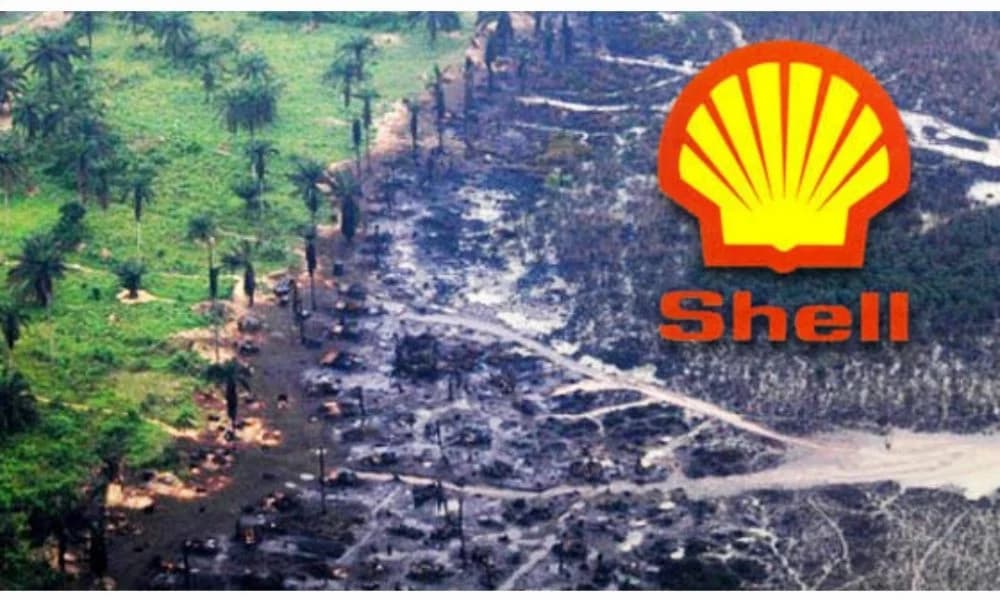
The consequences for the Niger Delta were catastrophic. The region has experienced an estimated 11 million barrels of oil spilled since operations began in the 1950s. That's roughly equivalent to one Exxon Valdez disaster every year for more than a decade. Local water sources became contaminated. Fishing communities lost their livelihoods. Health problems proliferated. And all the while, Shell blamed the victims.
What makes this case particularly significant is how it demonstrates the gap between corporate knowledge and corporate communication. Shell didn't simply make mistakes or hold different opinions about what caused the spills. The company had technical data proving one thing while publicly stating another. This wasn't ignorance—it was strategy.
This matters because it affects how we evaluate future corporate claims about their own operations. When a major company provides an explanation for environmental or safety problems, how much weight should we give to that explanation? What institutional incentives exist for companies to misrepresent their own culpability? And what does it take to actually force transparency?
The Niger Delta case suggests that without independent oversight and document access, companies will construct narratives that serve their financial interests rather than public understanding. Public trust isn't maintained through corporate statements. It's maintained through verification, skepticism, and the hard work of investigative journalists and human rights organizations willing to demand accountability.
Beat the odds
This had a 1.4% chance of leaking — someone talked anyway.
Conspirators
~200Network
Secret kept
17.4 years
Time to 95% exposure
500+ years