Rachel Carson's 1962 book 'Silent Spring' warned that DDT was decimating bird populations and posed risks to human health. The chemical industry launched a massive campaign to discredit her, calling her hysterical and unscientific. Monsanto published a parody; the American Cyanamid Company questioned her mental stability. By 1972, the EPA banned DDT after confirming it was a probable carcinogen and was indeed causing eggshell thinning that drove eagles and pelicans toward extinction.
“DDT is poisoning the environment, killing birds, and endangering human health. The chemical industry is lying about its safety.”
What they said vs. what the evidence shows
“If man were to follow the teachings of Miss Carson, we would return to the Dark Ages, and the insects and diseases and vermin would once again inherit the earth.”
— American Cyanamid Company / Chemical Industry · Oct 1962
SourceFrom “crazy” to confirmed
The Claim Is Made
This is the moment they called it crazy.
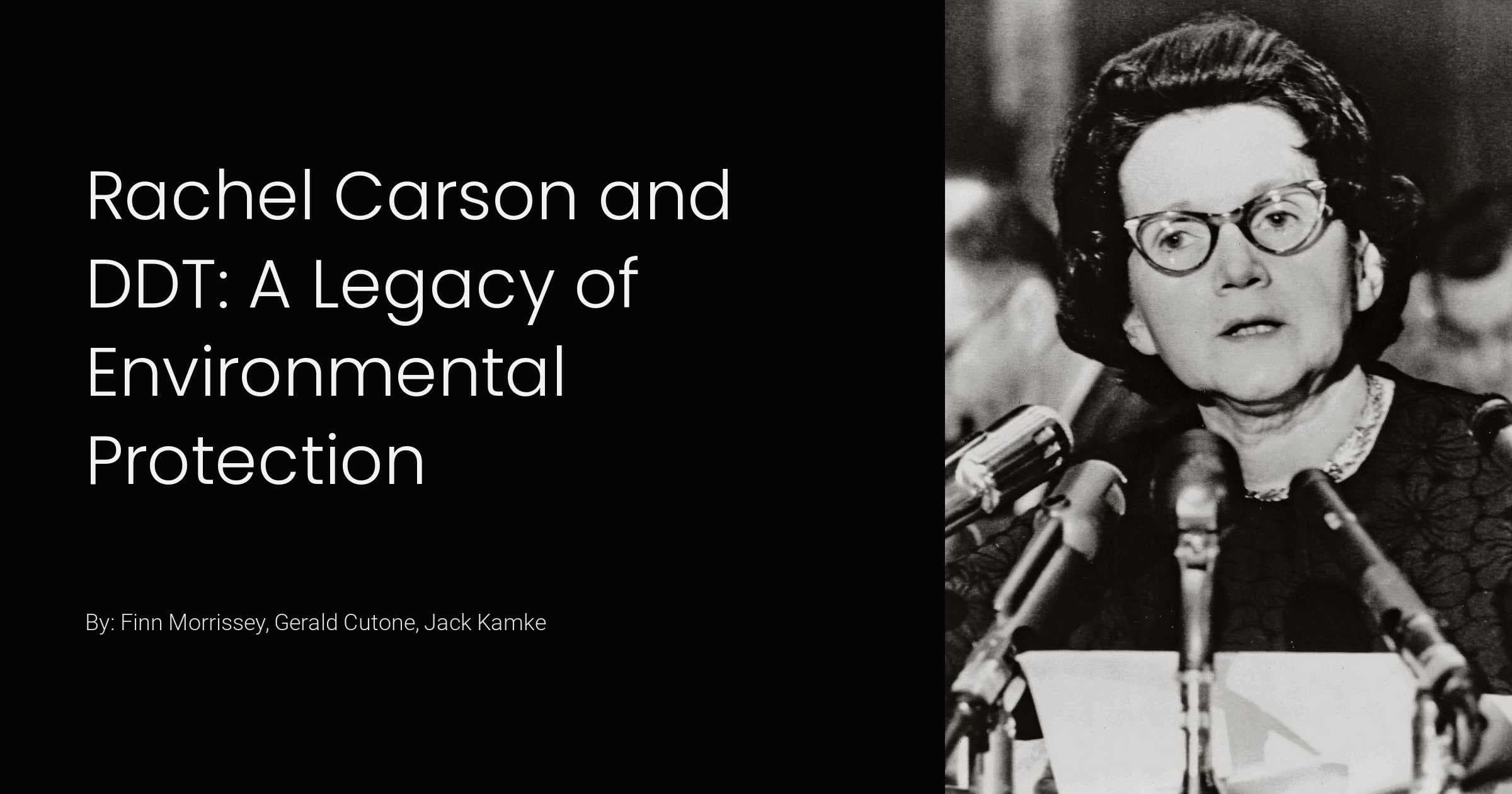
When Rachel Carson published "Silent Spring" in 1962, she wasn't writing as a fringe activist or doomsayer. She was a respected marine biologist with decades of scientific credentials, and she made a straightforward claim: the pesticide DDT was poisoning the environment and threatening human health.
The book landed like a grenade in American industrial circles. Carson documented how DDT, widely sprayed across the country to control mosquitoes and agricultural pests, was accumulating in the tissues of birds and fish. She presented evidence that the chemical was thinning eggshells in eagles and pelicans, pushing these species toward extinction. She raised concerns about DDT's potential to cause cancer in humans. These weren't vague worries—they were specific, documented observations backed by scientific literature.
The chemical industry responded not with research, but with warfare. Monsanto published a parody of Carson's work titled "The Desolate Year," depicting an apocalyptic world without pesticides. The American Cyanamid Company questioned her mental stability, a particularly telling choice that revealed more about their playbook than about Carson's science. Trade associations funded attacks on her credibility. The message was consistent: Carson was hysterical, unscientific, and a threat to progress and prosperity.
For nearly a decade, this campaign of doubt succeeded in keeping DDT on the market. Then came the evidence. By the late 1960s, independent researchers confirmed what Carson had warned about. Eggshell thinning in raptors was verified. The bioaccumulation of DDT through the food chain was measured and documented. Studies increasingly pointed to DDT as a probable human carcinogen.
On June 14, 1972, the Environmental Protection Agency issued its final DDT Ban Order. The decision confirmed Carson's central claims: DDT was indeed devastating wildlife populations, and it did pose risks to human health. The EPA's order wasn't based on hysteria or incomplete data—it was grounded in a comprehensive review of the scientific record. Eagles and peregrine falcons, both on the brink of extinction partly due to DDT's effects, would later recover as the chemical was phased out.
Get the 5 biggest receipts every week, straight to your inbox — plus an exclusive PDF: The Top 10 Conspiracy Theories Proven True in 2025-2026. No spam. No agenda. Just the papers they couldn't hide.
You just read "Rachel Carson was right: DDT was devastating wildlife and ha…". We send ones like this every week.
No one's said anything yet. Be the first to drop your take.
Confirmed: They Were Right
The truth comes out. Officially documented.
Confirmed: They Were Right
The truth comes out. Officially documented.
What makes this case instructive isn't that Carson was right. It's how thoroughly she was attacked for being right. An entire industry—with vast resources, marketing budgets, and political connections—invested heavily in discrediting sound science. They didn't do this because they had contradictory evidence. They did it because the truth was expensive.
The pattern matters today. Carson's story shows how organized campaigns can delay the acceptance of inconvenient truths, how attacking a scientist's credibility can substitute for addressing her actual findings, and how long it can take for documented harms to be officially recognized and acted upon. When an industry funds its own research and questions the motives of independent scientists, we now have a historical example of where that leads.
Carson was vindicated, but only after years of unnecessary exposure to a probable carcinogen. The question worth asking is how many other warnings we've ignored while waiting for absolute certainty—certainty that sometimes never comes until the damage is irreversible.
Beat the odds
This had a 0.8% chance of leaking — someone talked anyway.
Conspirators
~200Network
Secret kept
9.7 years
Time to 95% exposure
500+ years