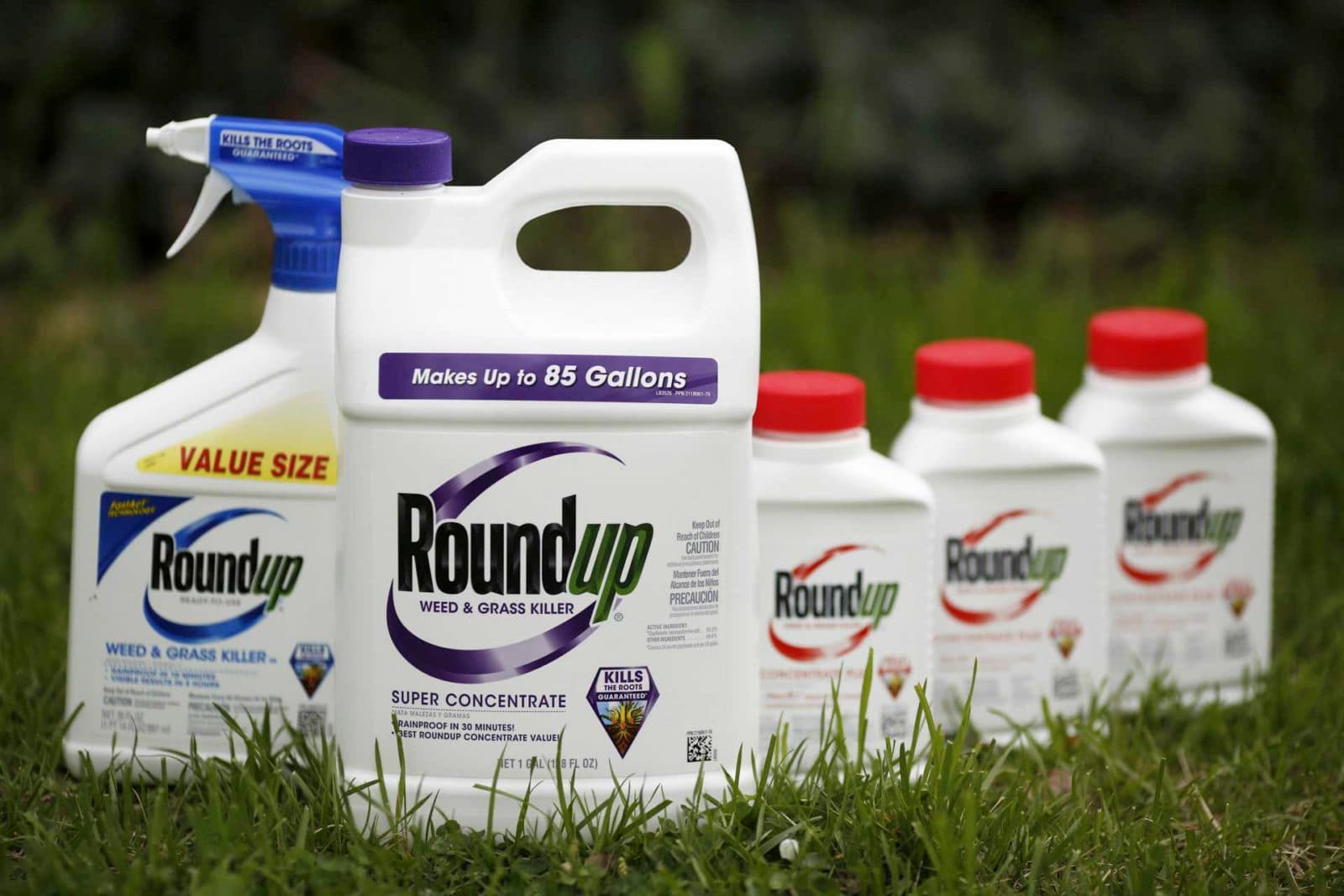
Court documents from Roundup litigation revealed Monsanto knew about potential cancer risks from glyphosate since the 1980s. Company ghost-wrote studies and pressured scientists to avoid cancer classifications.
“Glyphosate is safe when used as directed and does not cause cancer in humans”
From “crazy” to confirmed
The Claim Is Made
This is the moment they called it crazy.
The internal memos started appearing in court documents in 2017, buried in thousands of pages of litigation materials from Roundup cancer lawsuits. They painted a troubling picture: Monsanto scientists discussing cancer risks from glyphosate—the active ingredient in the company's flagship herbicide—dating back decades, while the company's public messaging remained unchanged.
The claim was straightforward but damaging. Monsanto allegedly knew about potential cancer links to glyphosate since at least the 1980s, yet continued marketing Roundup as safe. More specifically, critics pointed to evidence that the company ghost-wrote studies, pressured independent researchers to downplay findings, and worked to prevent glyphosate from being classified as a carcinogen by regulatory bodies.
For years, Monsanto dismissed these allegations. Company spokespersons maintained that glyphosate was among the most thoroughly tested herbicides in history, with decades of safety data supporting its use. The company pointed to regulatory approvals from the EPA and other agencies worldwide. When questions arose, Monsanto attributed them to anti-pesticide activists with ideological motivations rather than scientific concerns. The official position was clear: there was no credible evidence linking glyphosate to cancer in humans.
Get the 5 biggest receipts every week, straight to your inbox — plus an exclusive PDF: The Top 10 Conspiracy Theories Proven True in 2025-2026. No spam. No agenda. Just the papers they couldn't hide.
You just read "Monsanto Hid Glyphosate Cancer Links in Internal Company Stu…". We send ones like this every week.
No one's said anything yet. Be the first to drop your take.
Then came the discovery phase of litigation. Between 2016 and 2018, as Monsanto faced multiple lawsuits from people claiming Roundup caused their cancer, the company was forced to produce internal communications. Reuters' investigation, drawing on these court documents, revealed what researchers and critics had long suspected. Internal emails showed Monsanto scientists discussing glyphosate's potential cancer risks. More damaging were communications showing the company strategically commissioning studies from researchers, then editing results before publication—a practice known as ghostwriting.
One particularly telling set of documents involved the International Agency for Research on Cancer's 2015 classification of glyphosate as "probably carcinogenic." Internal Monsanto communications revealed the company had orchestrated a campaign to discredit the IARC finding, funding critical "independent" reviews and pressuring journal editors. Some emails showed Monsanto employees acknowledging internally that glyphosate posed cancer risks, even as they publicly denied it.
The evidence was substantial enough that it influenced legal outcomes. By 2018, a California jury awarded a former groundskeeper $289 million after finding Monsanto liable for failing to warn about cancer risks. Similar verdicts followed. The company settled thousands of cases for over $10 billion—a figure that wouldn't have been necessary if the allegations lacked merit.
This matters beyond Monsanto's bottom line. When corporations suppress inconvenient research while maintaining public assurances of safety, it erodes the foundation of informed consent. Farmers, landscapers, and homeowners made decisions about chemical exposure based on incomplete information. Regulatory agencies relied on company-sponsored research they didn't know had been manipulated. The pattern here—internal knowledge versus public claims—became the template for how we now view corporate accountability in agriculture.
The case demonstrated something essential: institutions that control both the research and the narrative can maintain false claims for decades. Only litigation, discovery processes, and investigative journalism forced the truth into daylight. For those tracking what institutions knew and when they knew it, Monsanto's glyphosate problem remains instructive.
Beat the odds
This had a 0.7% chance of leaking — someone talked anyway.
Conspirators
~200Network
Secret kept
9.2 years
Time to 95% exposure
500+ years